This was our first time flying Asiana Airlines. We were heading from Singapore to Nagoya via Incheon to catch the cherry blossoms again, and Asiana offered the best combination of price and timing for the Singapore to Seoul leg. At around S$550 per person during peak cherry blossom season, it felt like a reasonable deal for a full-service carrier.
One thing to note: Asiana’s fare only includes one piece of checked luggage at 23kg. For travellers packing for a longer trip (or planning to bring back souvenirs from Japan), this could be tight. We had Star Alliance Gold status, which gave us an additional piece, so it wasn’t a concern for us. Without status, though, you’d want to factor in the cost of extra baggage when comparing fares.
Before the flight
Check-in at Singapore Changi Airport was uneventful. The flight departed late at night, so the terminal was relatively quiet by the time we arrived. Boarding was orderly and we were on the aircraft without any fuss.
The seat
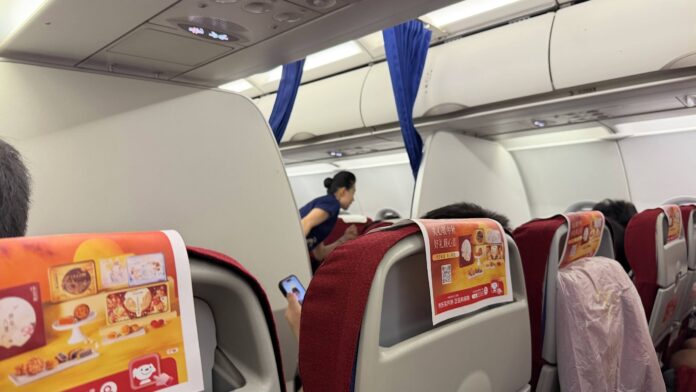
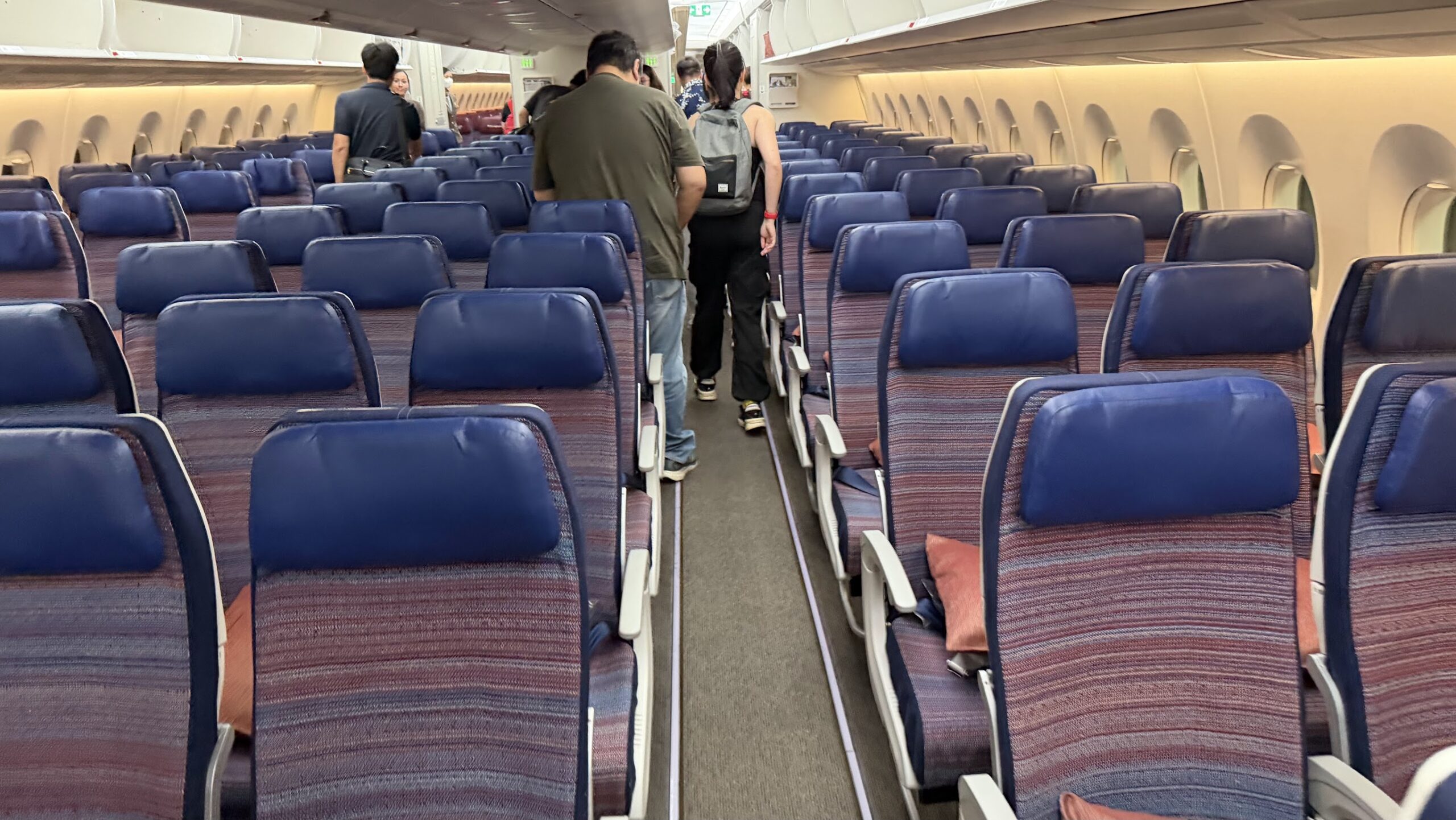
The flight was operated by an Airbus A350-900, configured in a 3-3-3 layout in economy class. Standard stuff for a widebody, though it does mean middle seats are unavoidable if you’re in a group of three or more.
The aircraft felt noticeably new. The cabin was clean, the seats were in good condition, and the overall impression was of a well-maintained plane that hasn’t yet picked up the scuffs and scratches you see on older fleets.
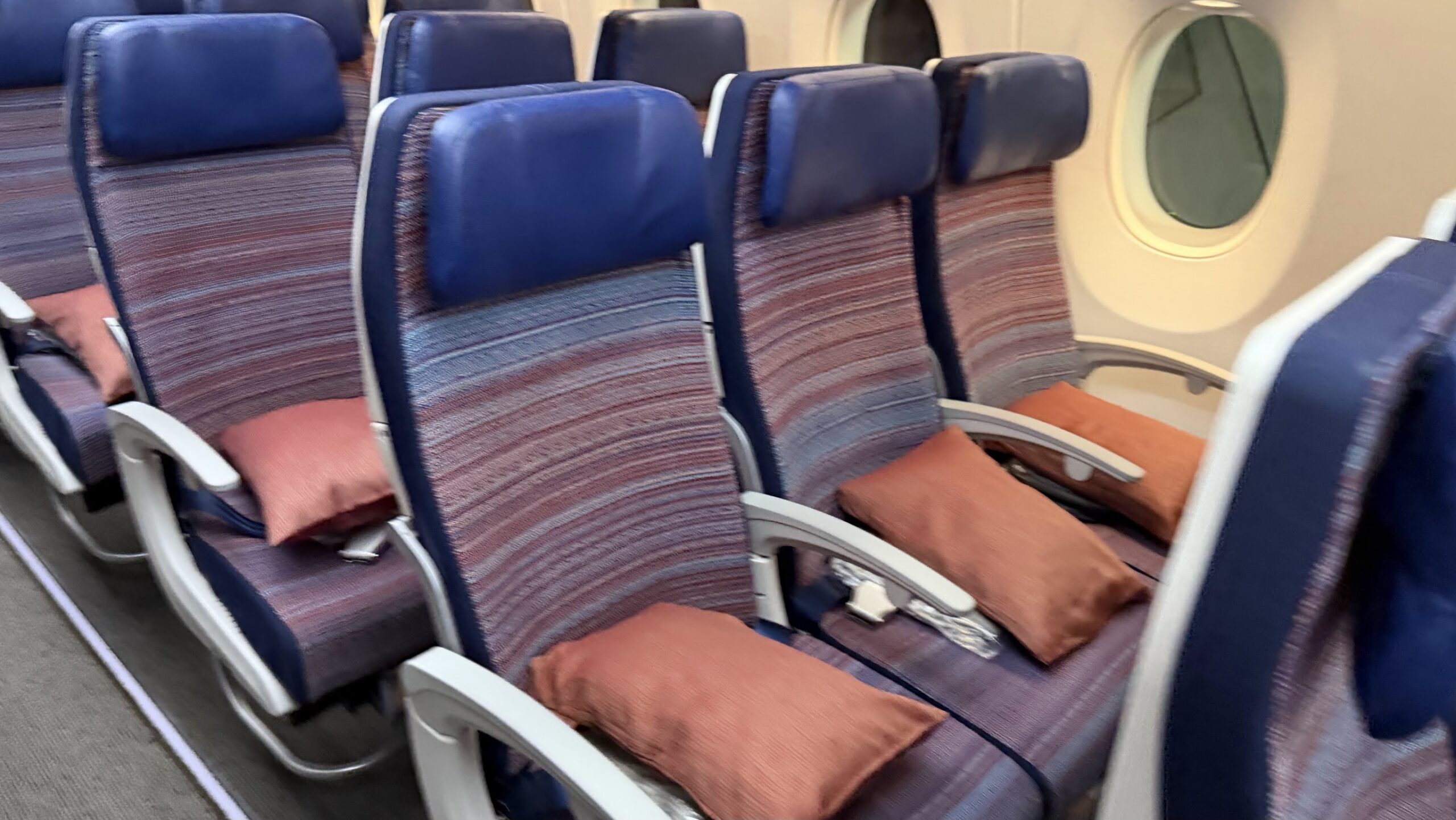
The legroom also felt adequate and I didn’t have any complaints at all.
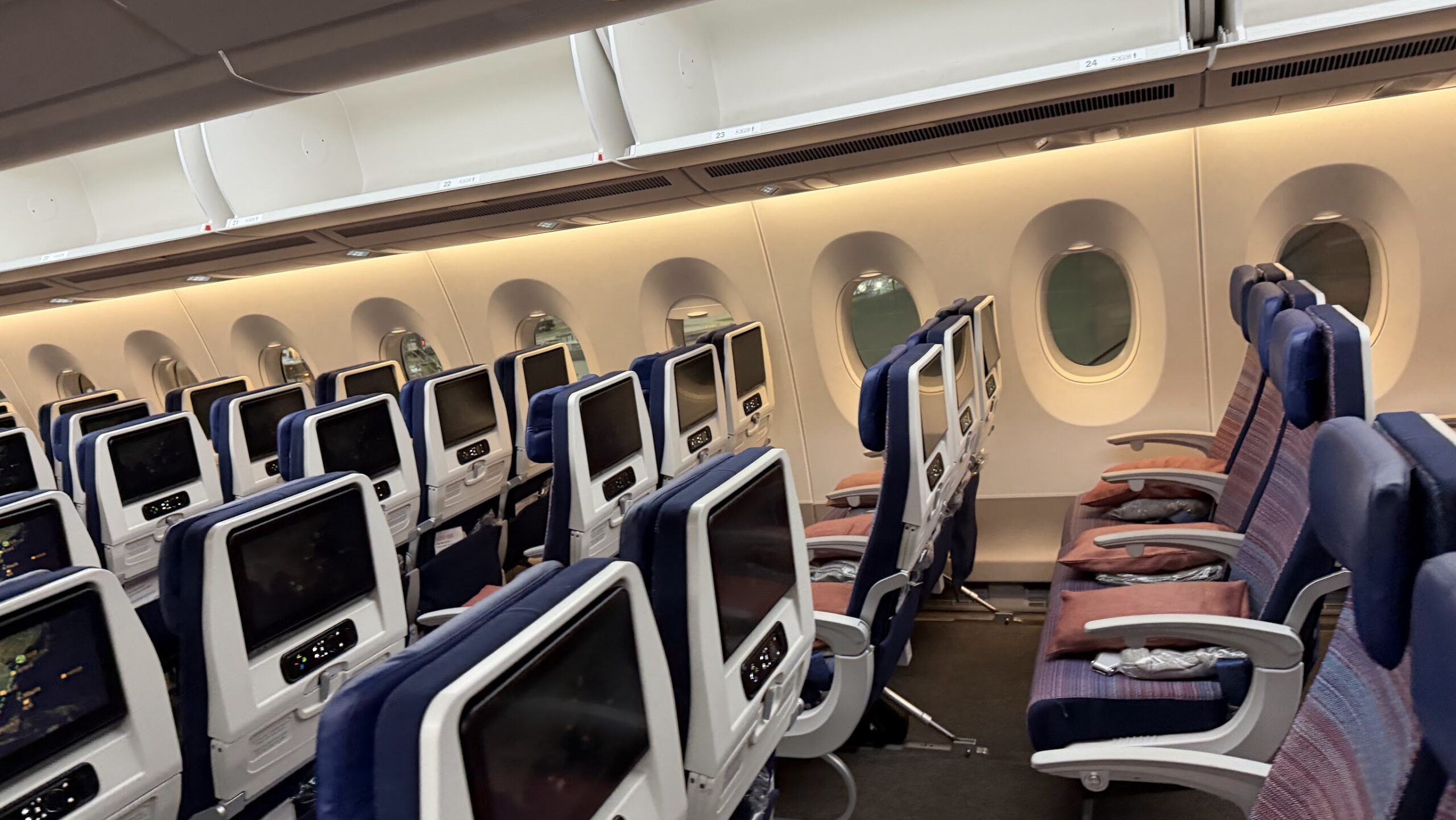
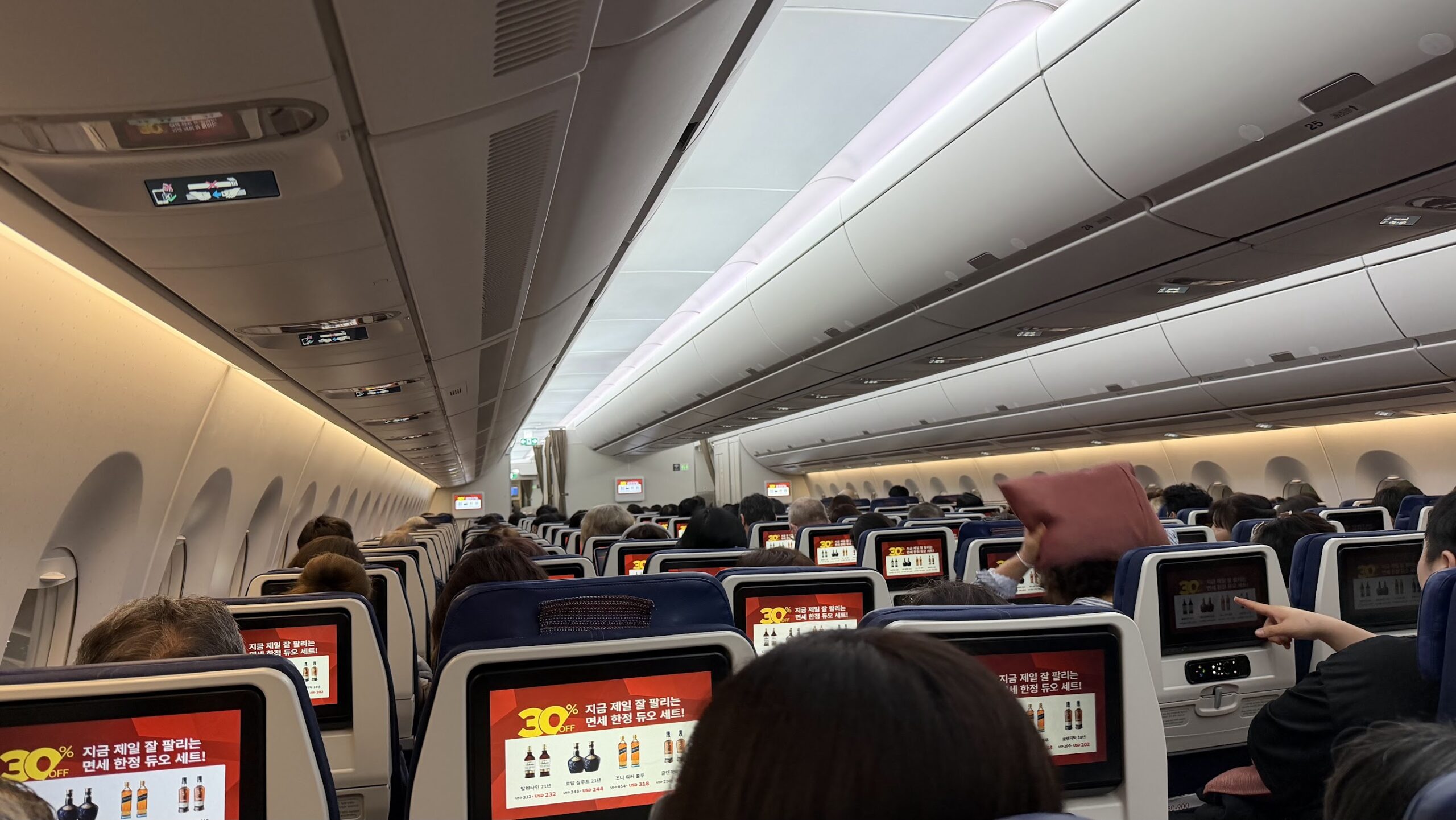
The seats themselves were comfortable for economy. What stood out was the headrest, which is adjustable in a way that lets you fold the side panels inward to cradle your head. If you’re trying to sleep in economy (and on a late-night departure like this one, you will be), that makes a meaningful difference. I didn’t need a neck pillow at all.
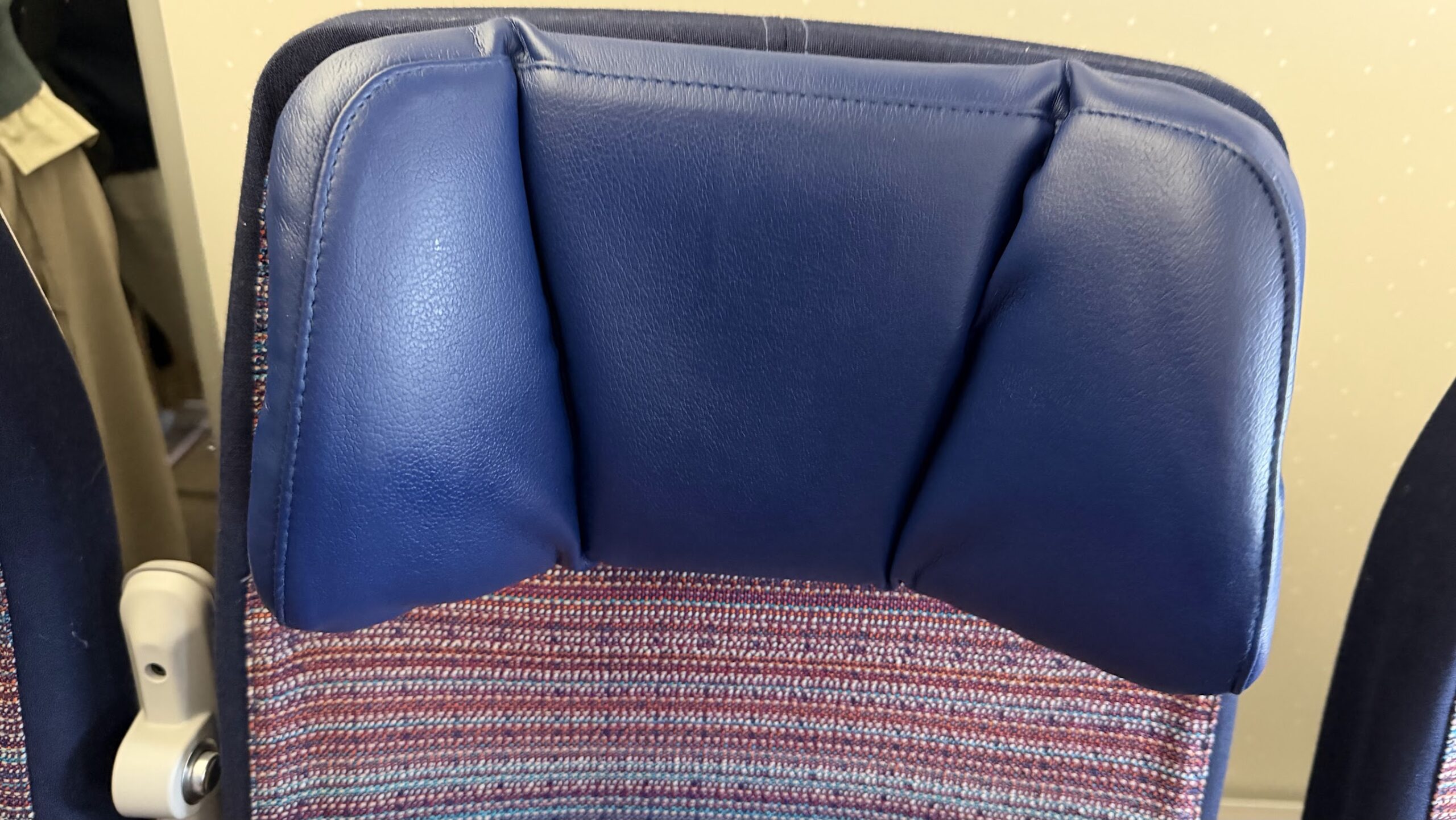
For a redeye flight of about six hours, the seat was more than adequate.
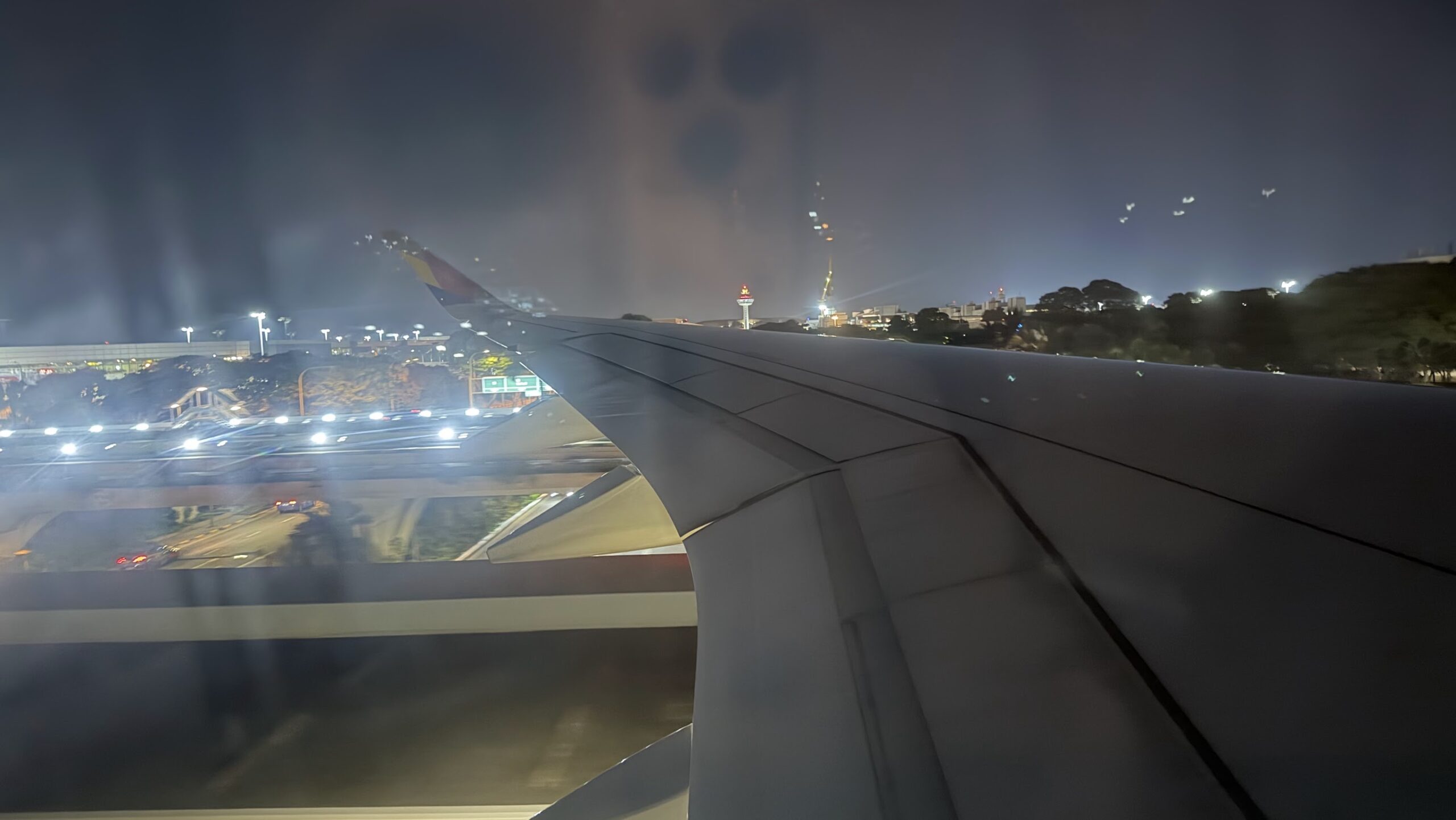
In-flight entertainment and Wi-Fi
Given that this was a late-night departure, I didn’t spend much time with the in-flight entertainment system. The screen was there, the content library appeared decent, but I was asleep before I could make much use of it.
Wi-Fi is available for this flight but is paid only. We didn’t purchase it for this flight, as there wasn’t much need on a red-eye.
Food and drinks
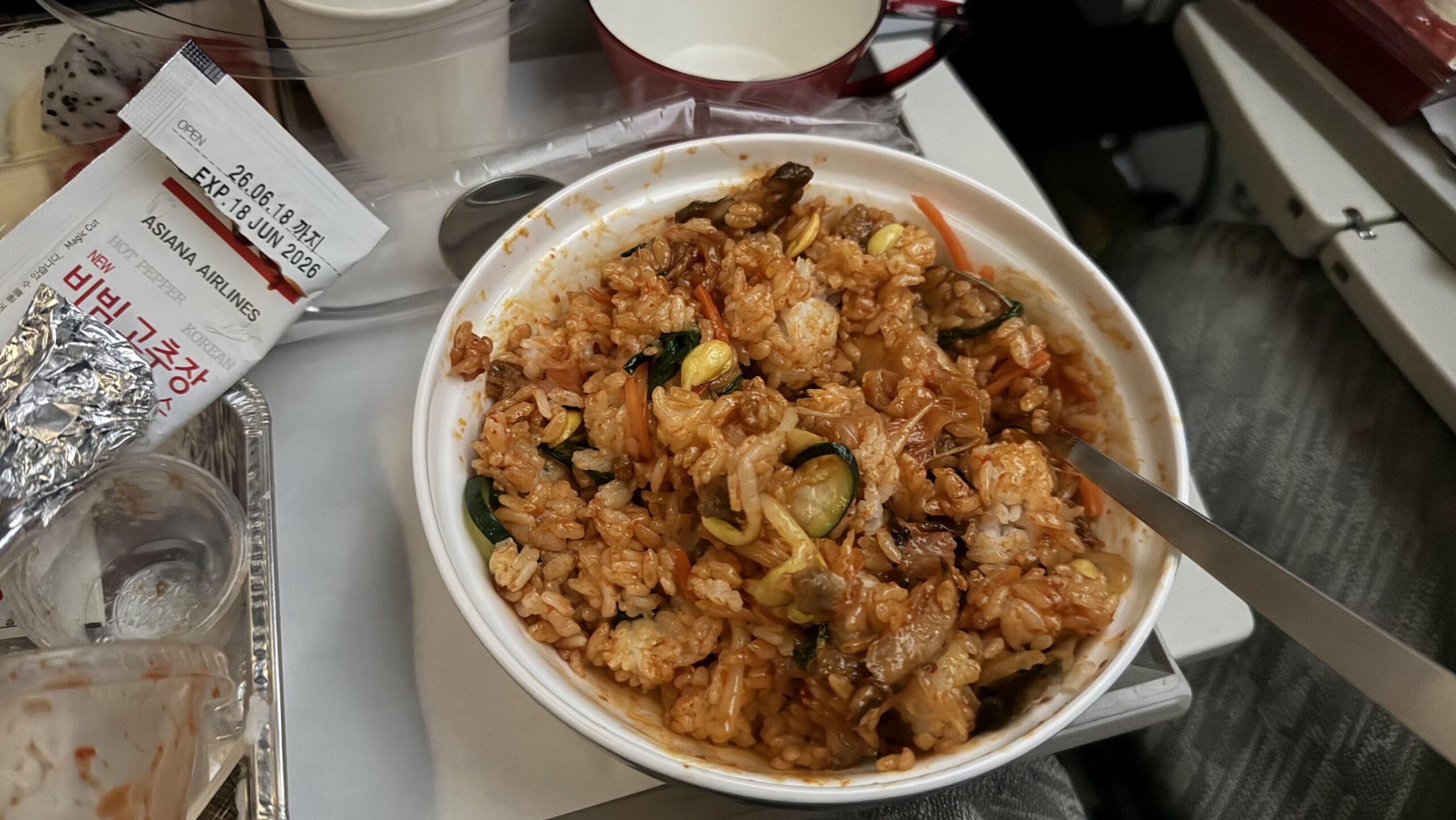
No physical menus were distributed for this flight, which made it hard to know what all the options were. When the crew came around, I opted for the bibimbap, partly because it’s what Asiana is known for and partly because I was curious to try the airline version for the first time.
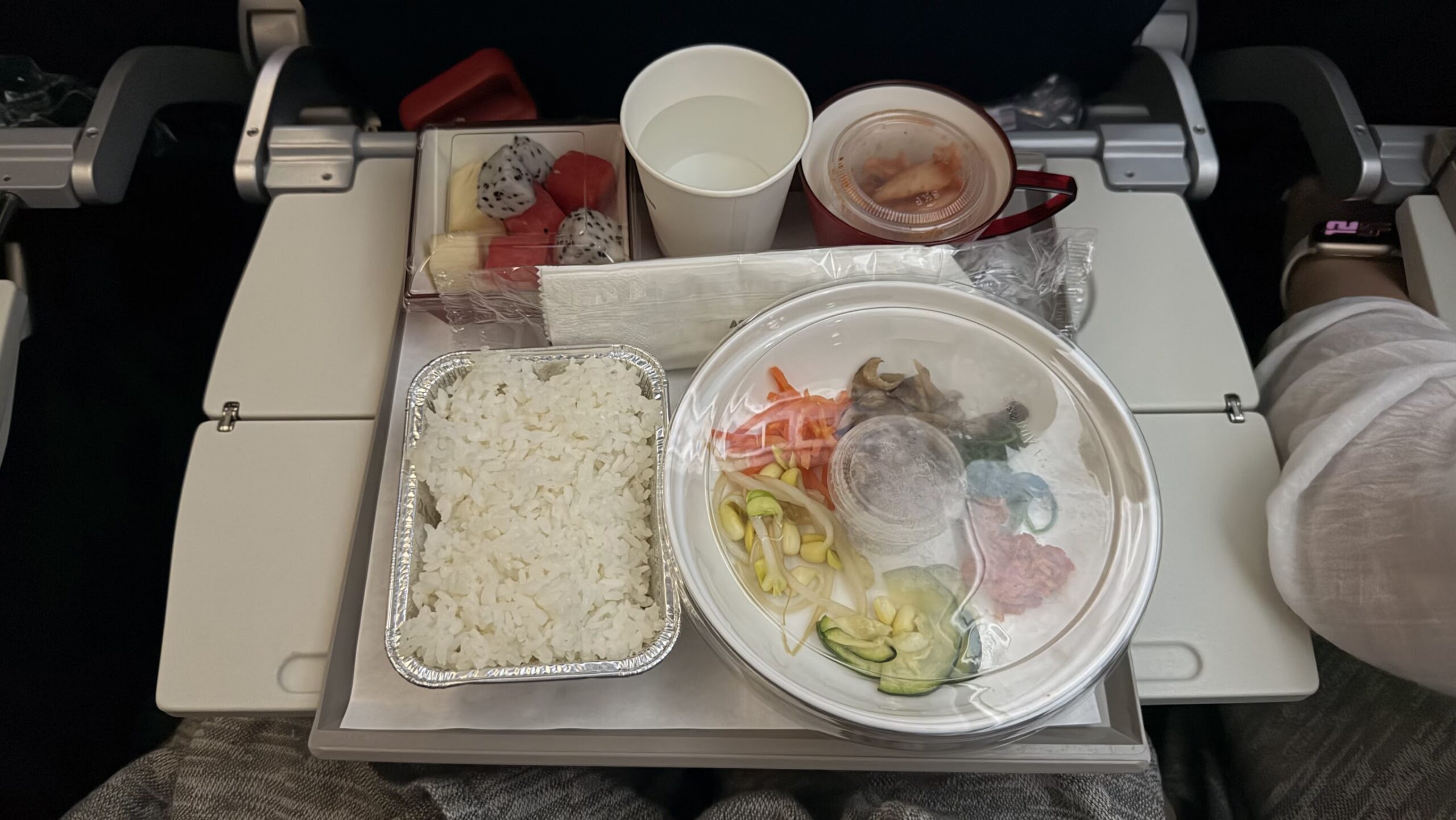
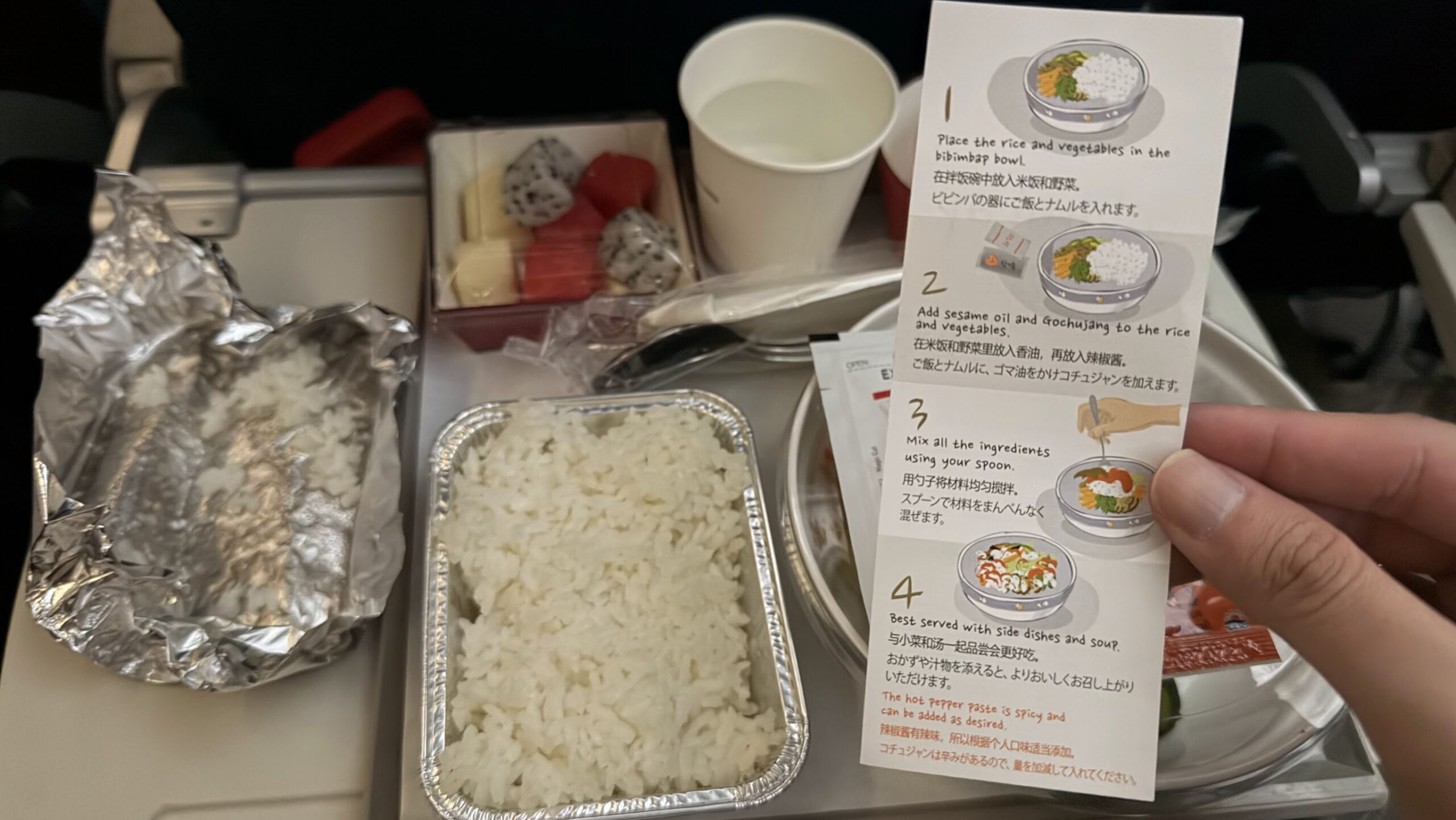
The bibimbap came with the usual accompaniments: gochujang sauce, sesame oil, and a selection of vegetables and rice. For an economy class meal at altitude, it was genuinely enjoyable. The vegetables retained their texture and the rice wasn’t overcooked. It’s easy to see why Asiana has built a reputation around this dish. As a first experience with airline bibimbap, it set a good benchmark.
Arrival
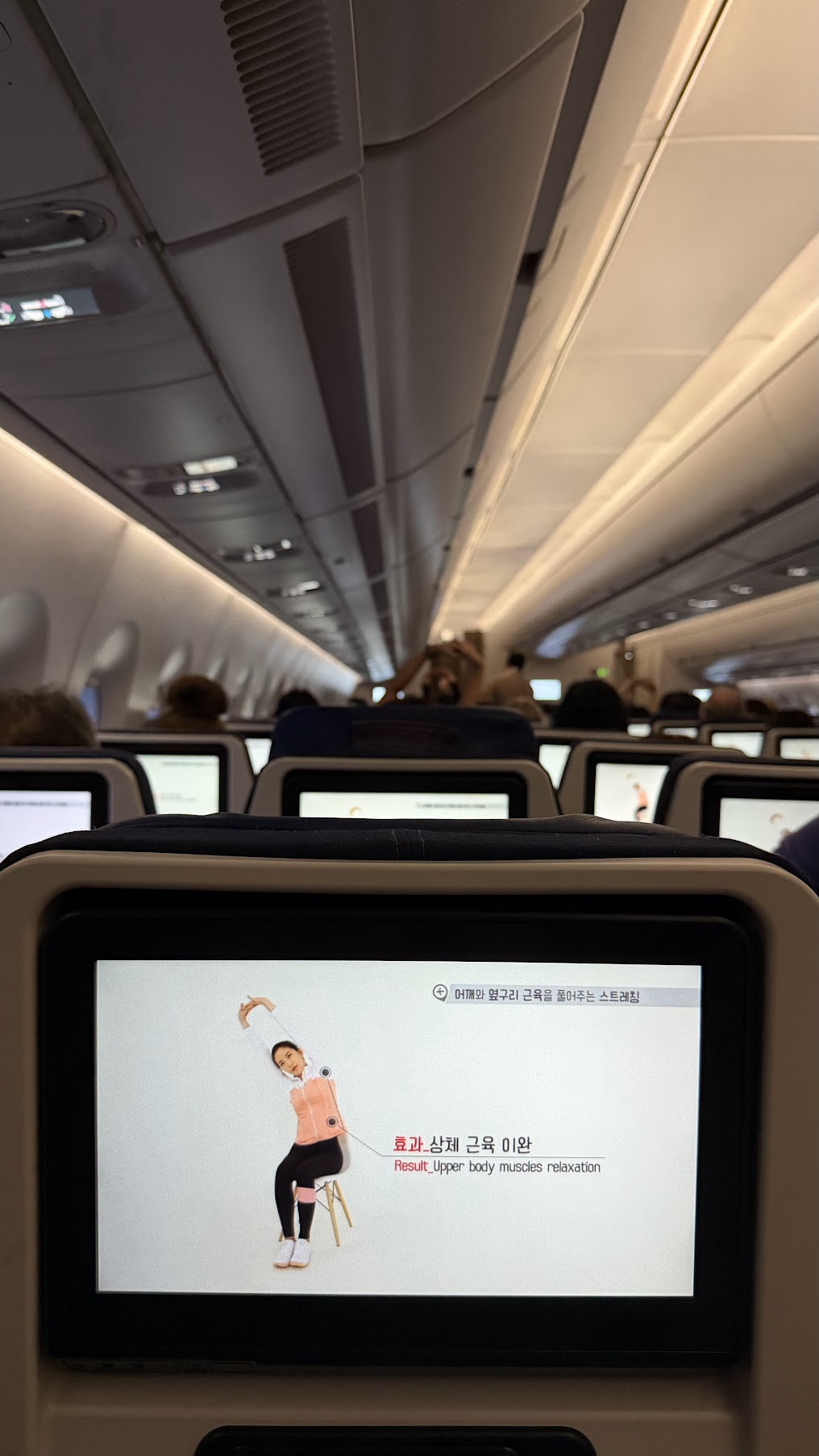
One small detail worth mentioning: Asiana plays guided in-flight stretching exercises on the IFE screens before landing. I hadn’t seen this on other carriers before, and it was a nice way to get moving before arrival.
Concluding thoughts
Asiana Airlines delivered a solid economy class experience on this route. The A350-900 is a comfortable aircraft, the adjustable headrest genuinely helped with getting some sleep on a red-eye, and the bibimbap lived up to its reputation.
At S$550 per person during cherry blossom season, with a full meal service and a modern aircraft, it represented good value. The single-piece luggage allowance is the main caveat to watch out for if you don’t have Star Alliance status to lean on.
Asiana is in the process of merging with Korean Air, and it’s unclear how long the Asiana brand will continue to operate independently. If you’re curious about trying them before the integration is complete, the Singapore to Incheon route on the A350 is a comfortable way to do it.