This was the return leg from Nagoya to Incheon at the end of our sakura trip, on the same A330-300 type we flew on the way in. We’ve already covered the aircraft, the IFE, and the general cabin condition in our review of the ICN-NGO flight, so this review focuses on what was different about the return journey.
Check-in and boarding
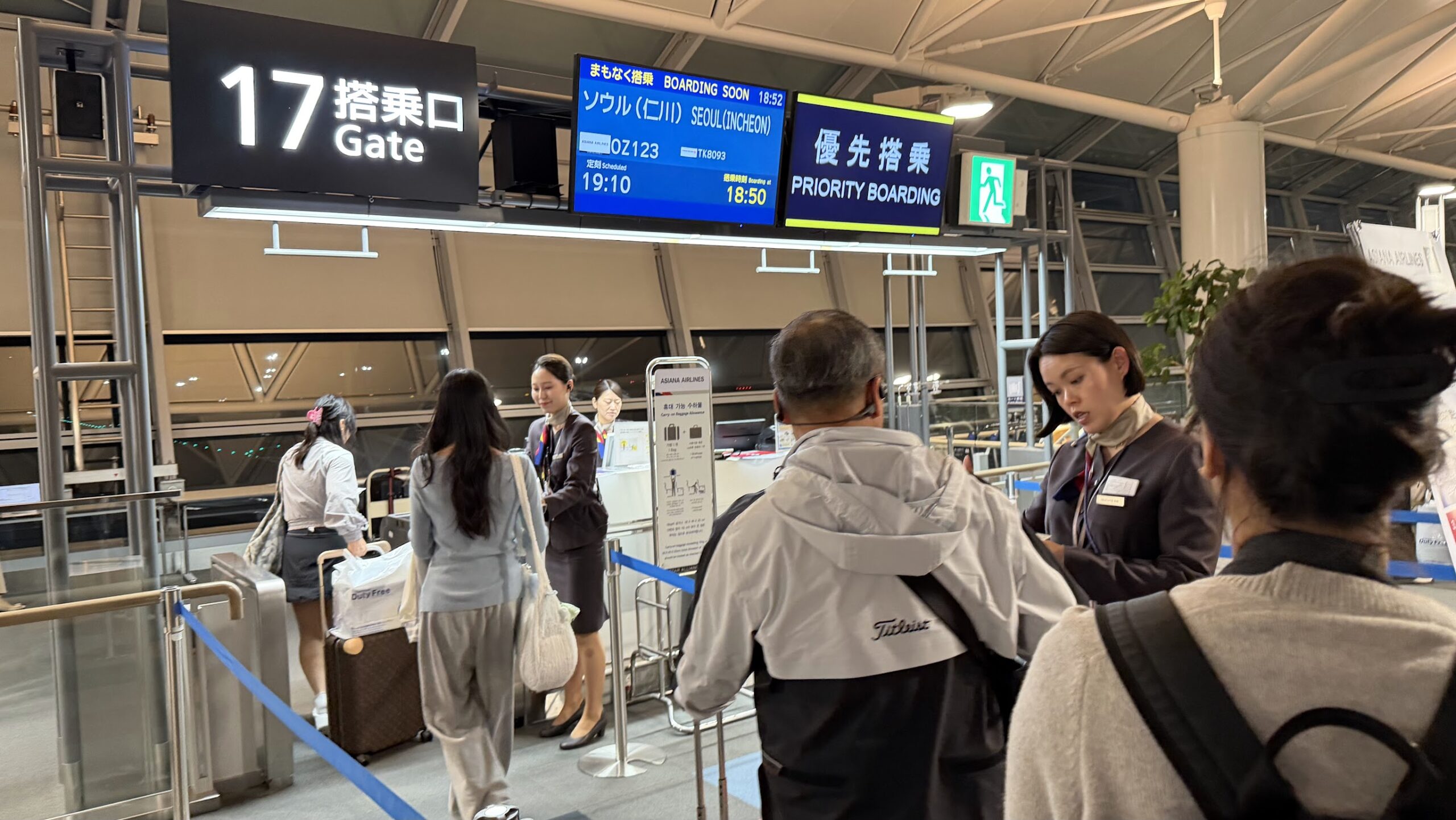
Checking in was also pretty fast as we had access to priority check-in. Likewise, we also had access to priority boarding as Star Alliance Gold members.
One thing that stood out flying out of Nagoya was how strictly the baggage limits were enforced. One checked bag, one carry-on, no exceptions. Ground staff were checking at the gate, and passengers with extra bags were being pulled aside. If you’re used to airlines looking the other way on carry-on limits, Nagoya is not the place to test that.
The seat
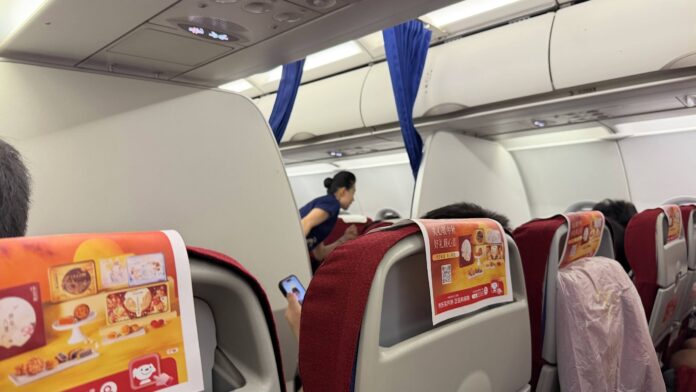
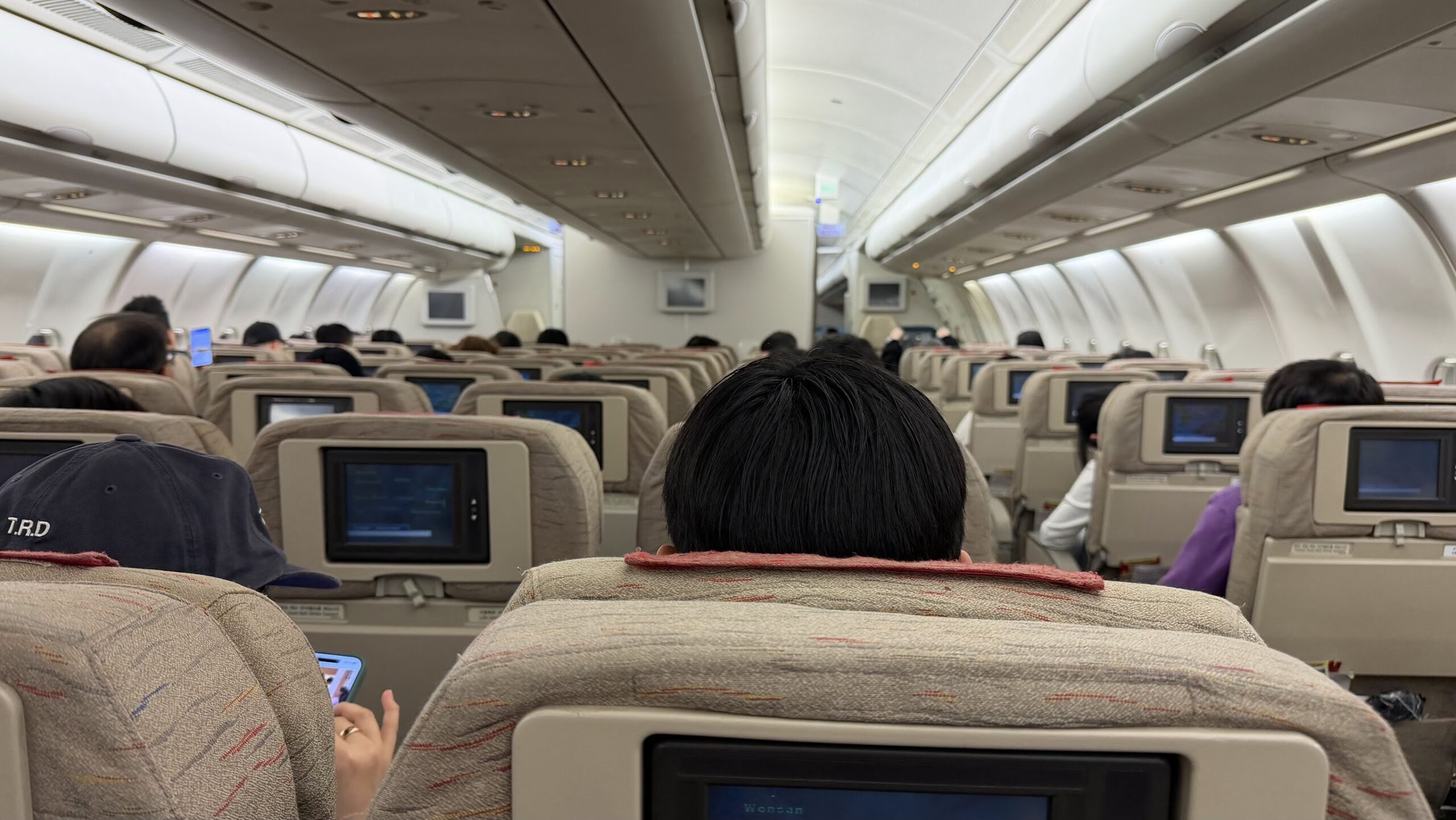
This is the same A330-300 type as the inbound flight, but interestingly this one was configured 2-4-2 in economy, while the inbound was 3-3-3. Asiana appears to run different configurations on the same aircraft type depending on the route or specific airframe. The 2-4-2 layout is the more comfortable arrangement if you’re in a window pair.
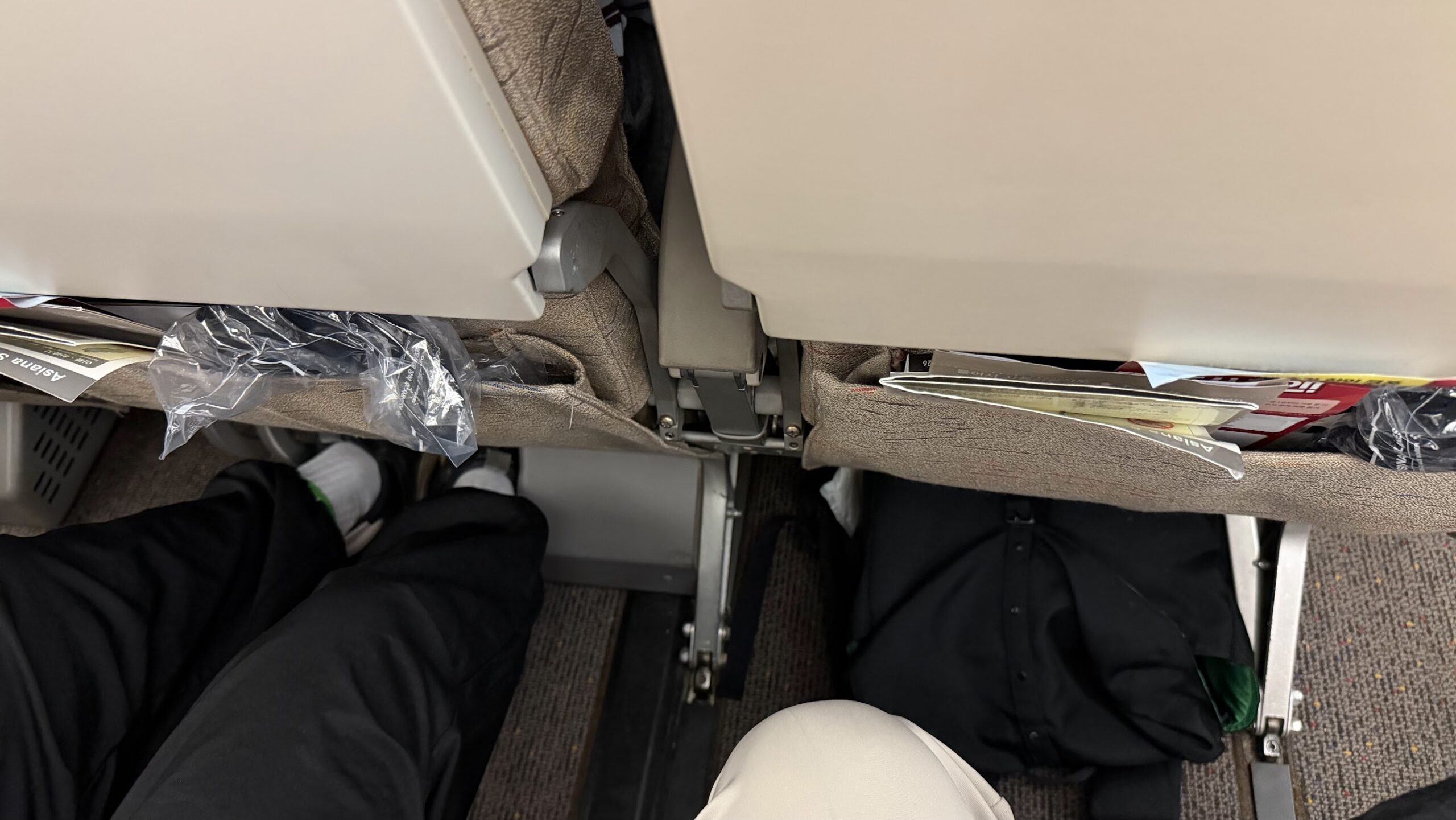
One thing we noticed on this flight that we didn’t on the inbound: some seats had a protrusion near the base of the seat in front that ate into the foot space. It wasn’t consistent across all rows, so it’s worth checking your specific seat when you sit down. The difference in legroom between affected and unaffected rows was noticeable.
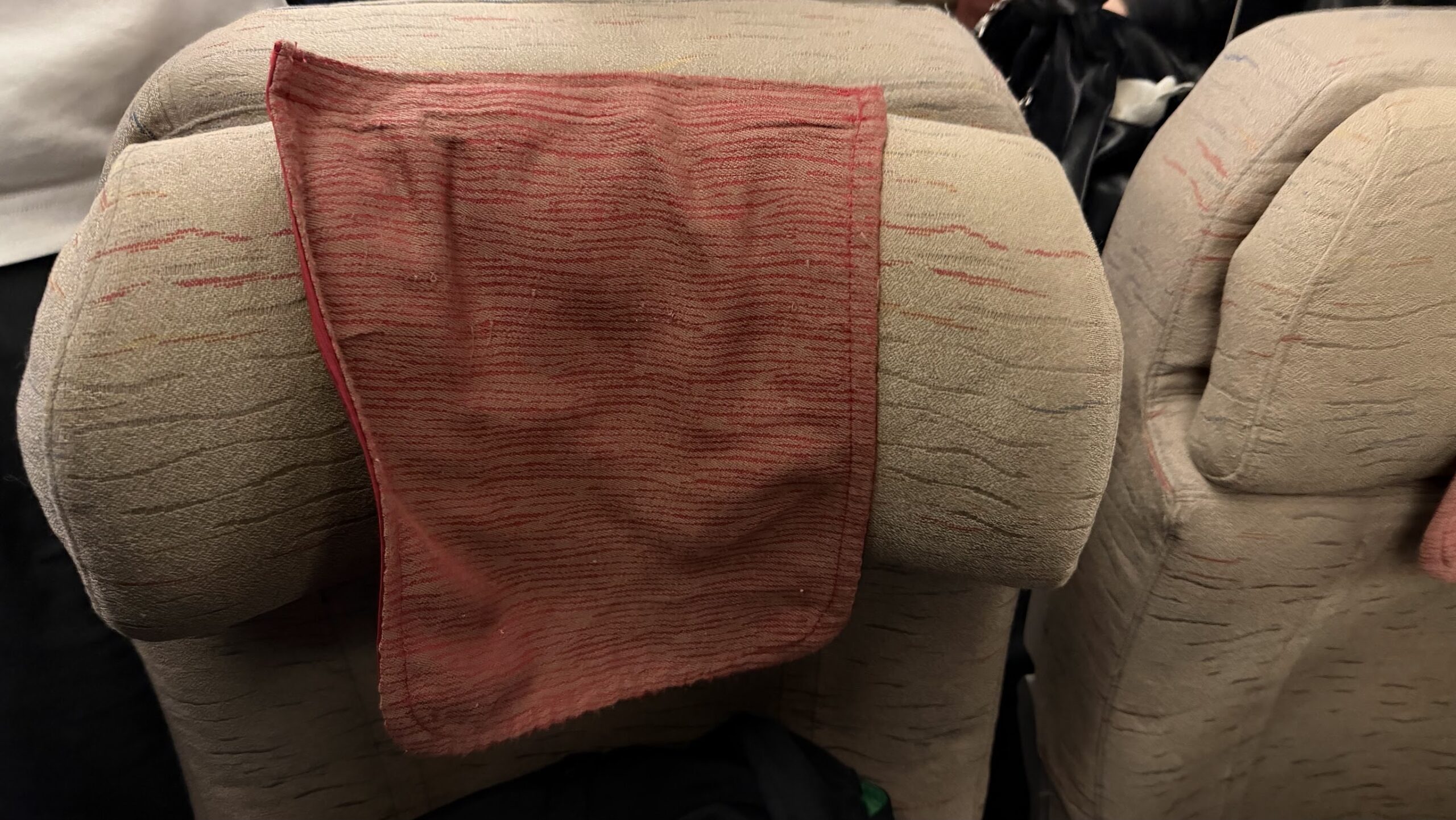
The headrest doesn’t really hold in its position, even though it’s adjustable. After having the A350-900’s adjustable headrest with foldable side panels on the Singapore to Incheon leg, going back to this felt like a downgrade. For sleeping on a short flight, the A350 headrest makes a real difference, and the A330 simply doesn’t offer that.
In-flight entertainment and Wi-Fi
Already covered in our ICN-NGO review. Same older IFE system, same small screen, same wired handset. Nothing new to add here.
Food and drinks
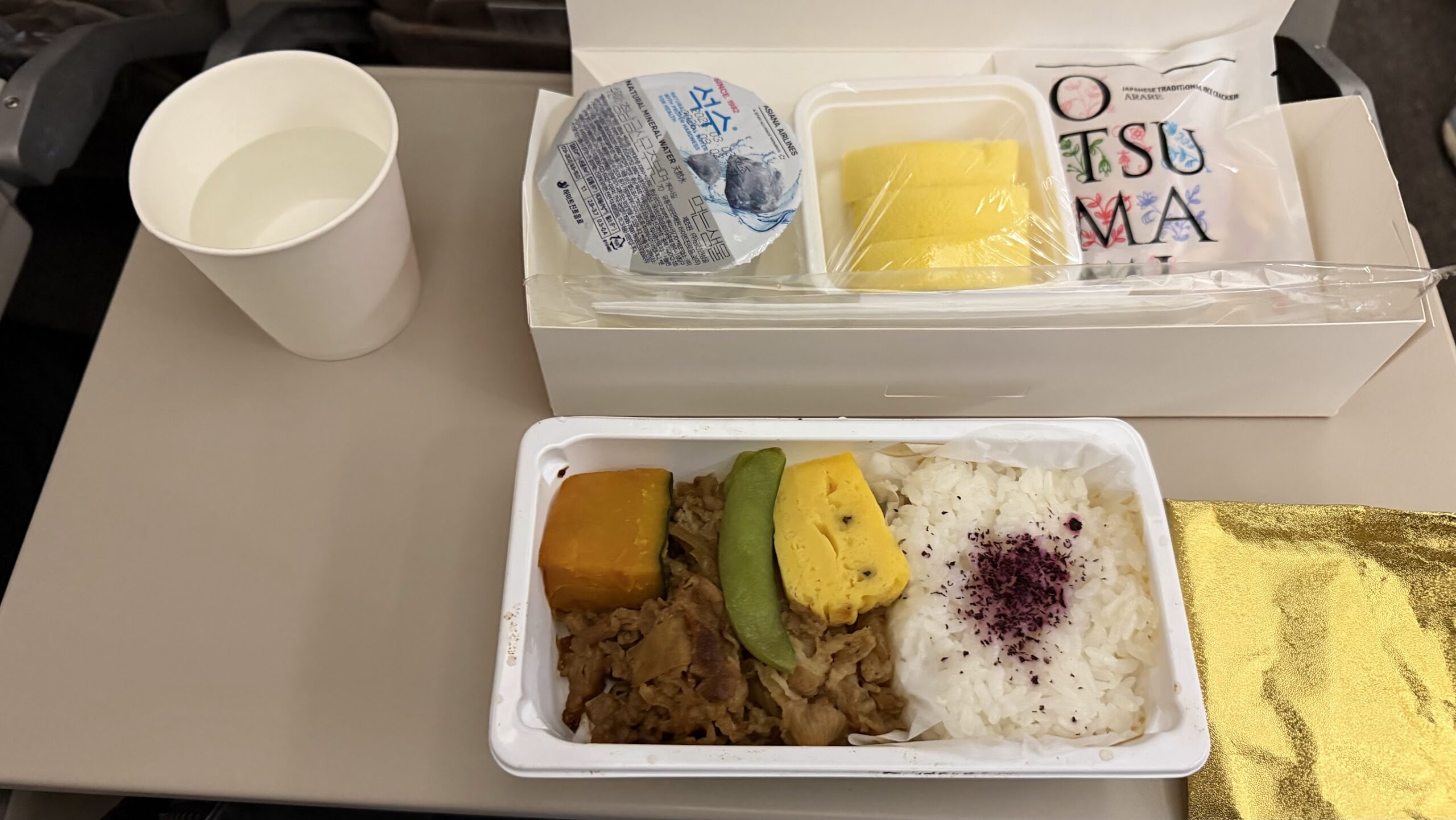
Dinner was served on this evening flight. The meal was beef yakiniku with rice and seasonal vegetables, with Japanese rice crackers and pineapple slices on the side. The yakiniku had decent flavour, and the Japanese touches in the meal were a welcome change from the usual airline tray. The bibimbap on longer flights was better, but this is more than okay for a short regional flight.
Arrival
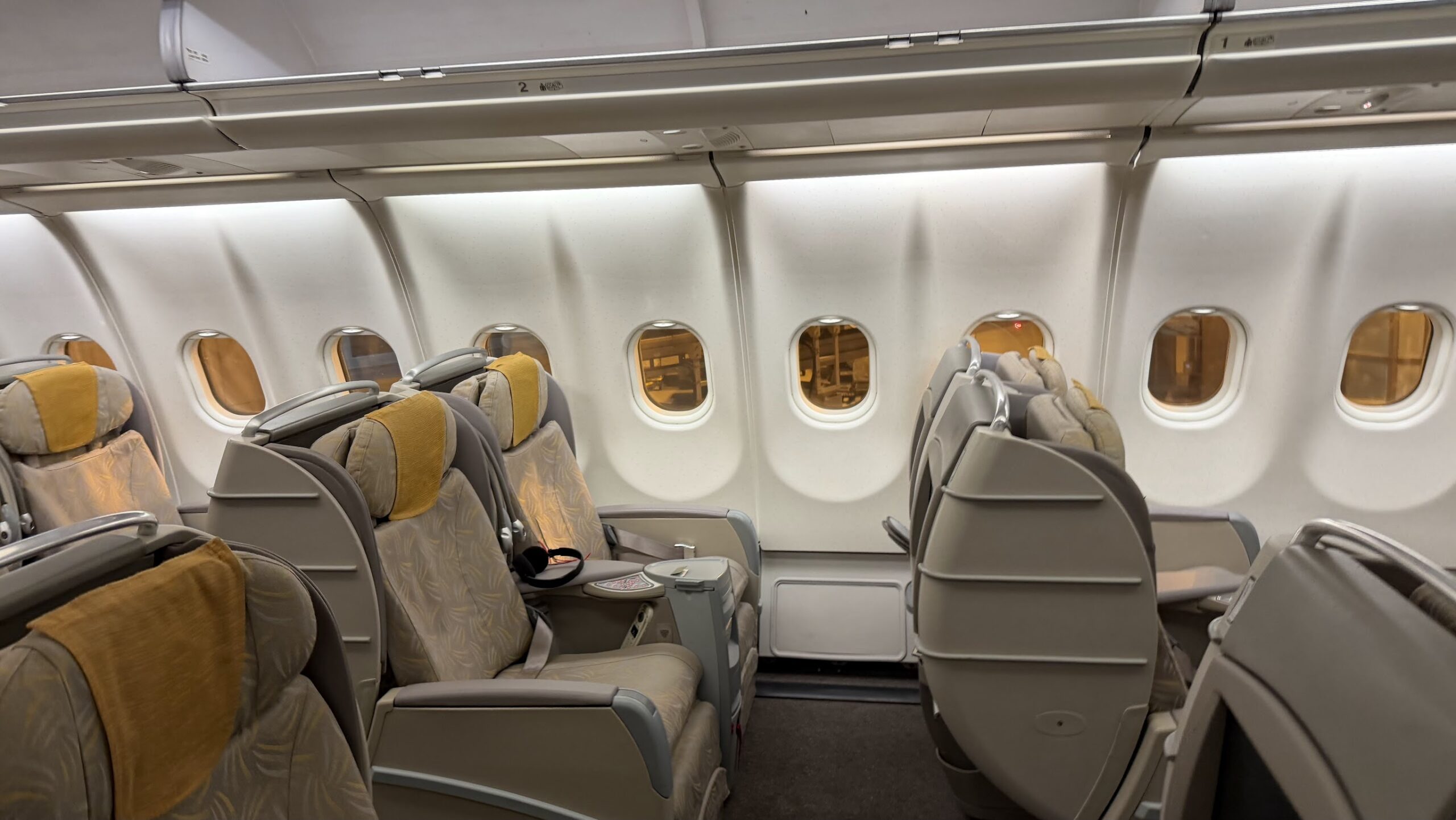
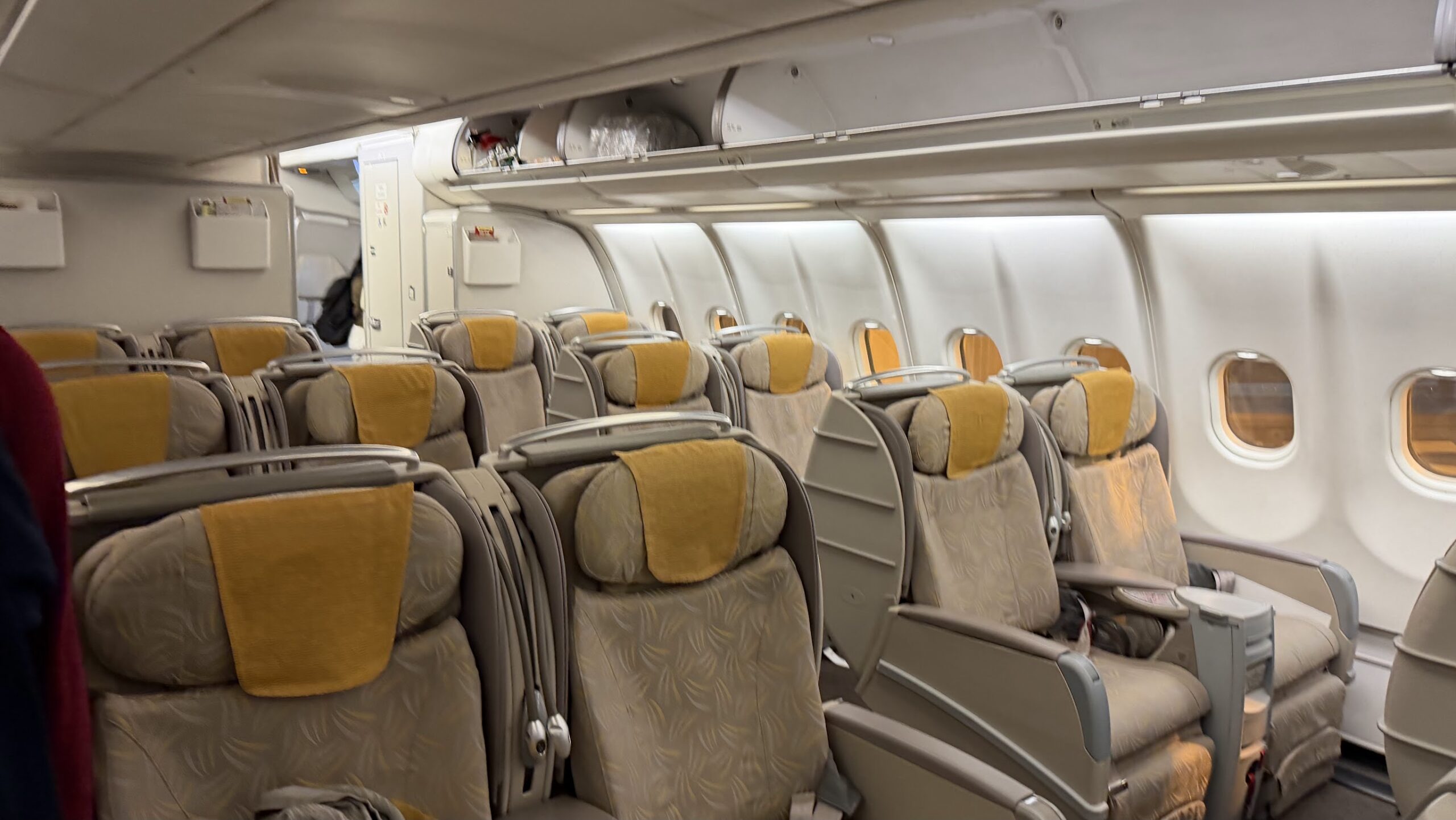
On our way out, we walked past the 2-2-2 business class cabin. Shell-style recliner seats, so-so recliners. Not lie-flat. For a short regional flight, it’s probably fine, but it’s not a product you’d go out of your way to book.
Concluding thoughts
The return leg was largely the same experience as the inbound, with the 2-4-2 configuration being the notable difference. The A330-300 is showing its age, but for a flight under two hours, none of that really matters. The two things to keep in mind when flying out of Nagoya on Asiana are the strict baggage enforcement at the gate and the inconsistent legroom in some rows. Check your seat when you board, and don’t push your luck with extra carry-ons.