This is the first of a five-part series from our December 2025 trip to the United States. We kicked things off in New York City, right in the thick of the holiday season.
Prologue
A batchmate of mine from university had recently relocated to New York, and we were lucky enough to crash at his place in Brooklyn. Honestly, I can’t thank him enough, as New York City hotel rates over Christmas and New Year’s are, frankly, absurd. Expect to pay easily over S$300 a night for something that would be considered mediocre in any other city, at any other time of year. Having a friend’s couch to crash on made all the difference.
I’ve visited New York several times over the years, including during a university exchange in Boston, so this wasn’t a first for me. But it was my partner’s first time in the United States, which shaped how we approached the itinerary.
Trip planning
New York always feels like a city that resists being fully planned. There is simply too much of it.
We kept the itinerary grounded in the classics: the landmarks that show up in films and on postcards, the ones you really should tick off before worrying about anything else. For someone’s first trip to New York, it is not the time to be contrarian about tourist spots. You can always come back for the quieter, less obvious things later.
Even with a reasonably focused plan, we never made it to Queens, and we barely scratched the surface of Brooklyn beyond the neighbourhood we were staying in. We also skipped the observation decks entirely. There are several now, more than I remember from previous visits: One Vanderbilt, the Edge at Hudson Yards, Top of the Rock, One World Observatory. Each one is a serious time and money commitment, and with a packed itinerary we could not justify any of them. Something for next time. That is just how New York works. Accepting that you will not see everything each trip.
For planning, we used Wanderlog to cluster attractions by neighbourhood, which helped minimise zigzagging across the city all day. Grouping sights geographically made a real difference in how much ground we could cover in a day.
Logistics and getting around
We skipped the rental car entirely. There’s simply no case for driving in New York City as a tourist. The subway covers nearly everything you’d want to see, parking costs are brutal, and the added stress simply isn’t worth it. That said, if your trip extends beyond the city, say upstate New York or the Hudson Valley, a car starts to make a lot more sense. For the city itself though, wouldn’t recommend it.
One thing worth knowing if you haven’t been in a while: the MetroCard is already phased out. OMNY, the tap-to-pay system, is now the default across the subway and buses. You can use a contactless credit or debit card directly on the reader, which makes getting around considerably more straightforward for visitors who don’t want to deal with a separate transit card.
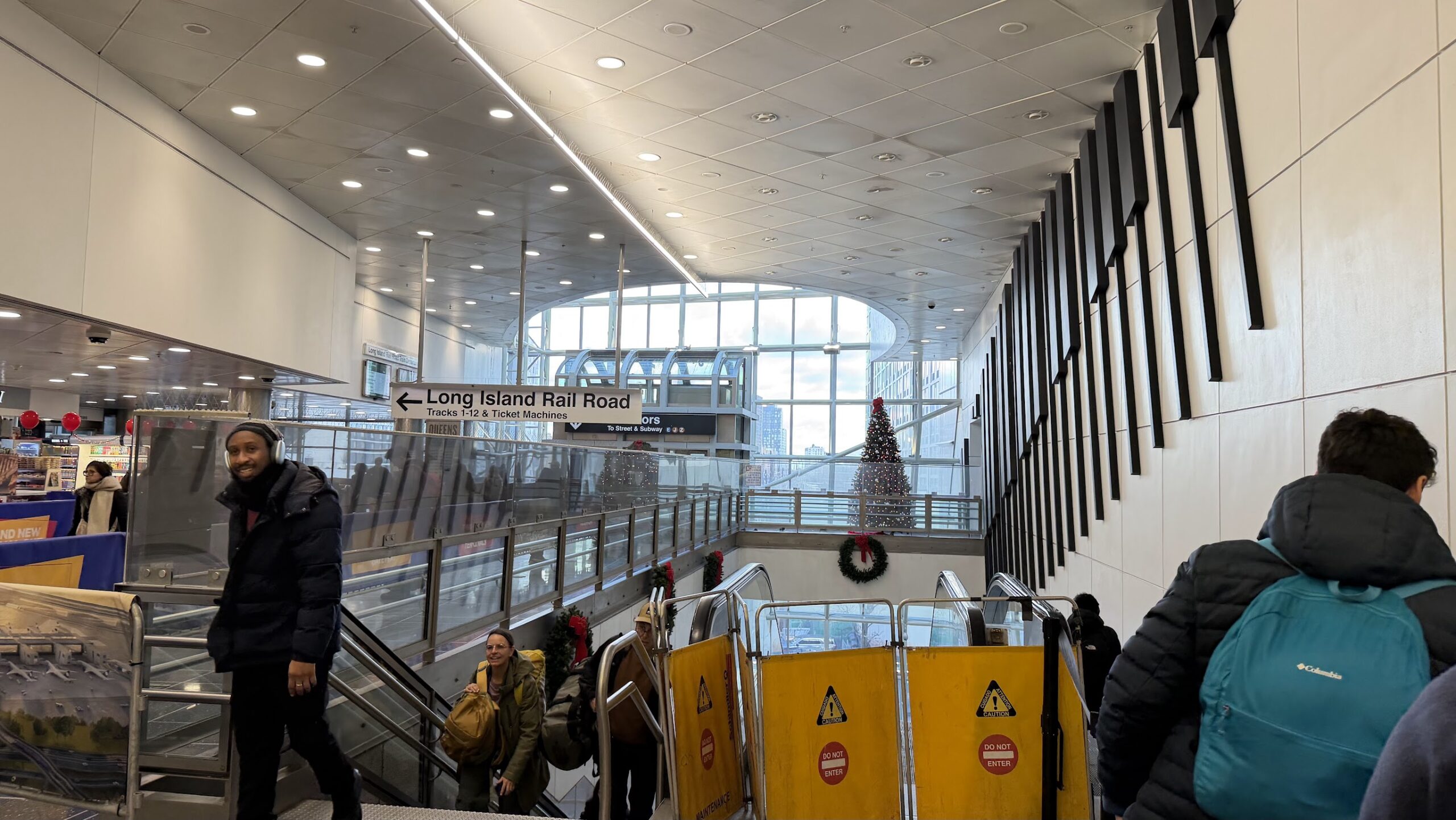
The more useful thing, though, is the weekly fare cap. Once you’ve tapped enough times in a seven-day period from your first tap, any further rides within that window are free. We were in the city long enough to hit the cap, and once we did, we stopped thinking about the cost of jumping on the subway at all. It changes how you move around. Instead of consolidating trips to save on fares, you just go. We used it aggressively and got good value out of it.
Holiday season
We arrived in late December. The city was in full festive mode, Christmas trees everywhere, shop windows done up elaborately, and that sharp, dry cold that has you walking faster than you normally would. A polar vortex had been in the news that week. We had narrowly missed a snowstorm the week before, and another rolled through a few days after we left. The timing worked out well.
Midtown in December is chaotic, but in a way that is hard to dislike. Fifth Avenue was packed, Rockefeller Center had its usual crowd gathered around the Christmas tree, and every major retailer seemed to be competing for the most elaborate window display.
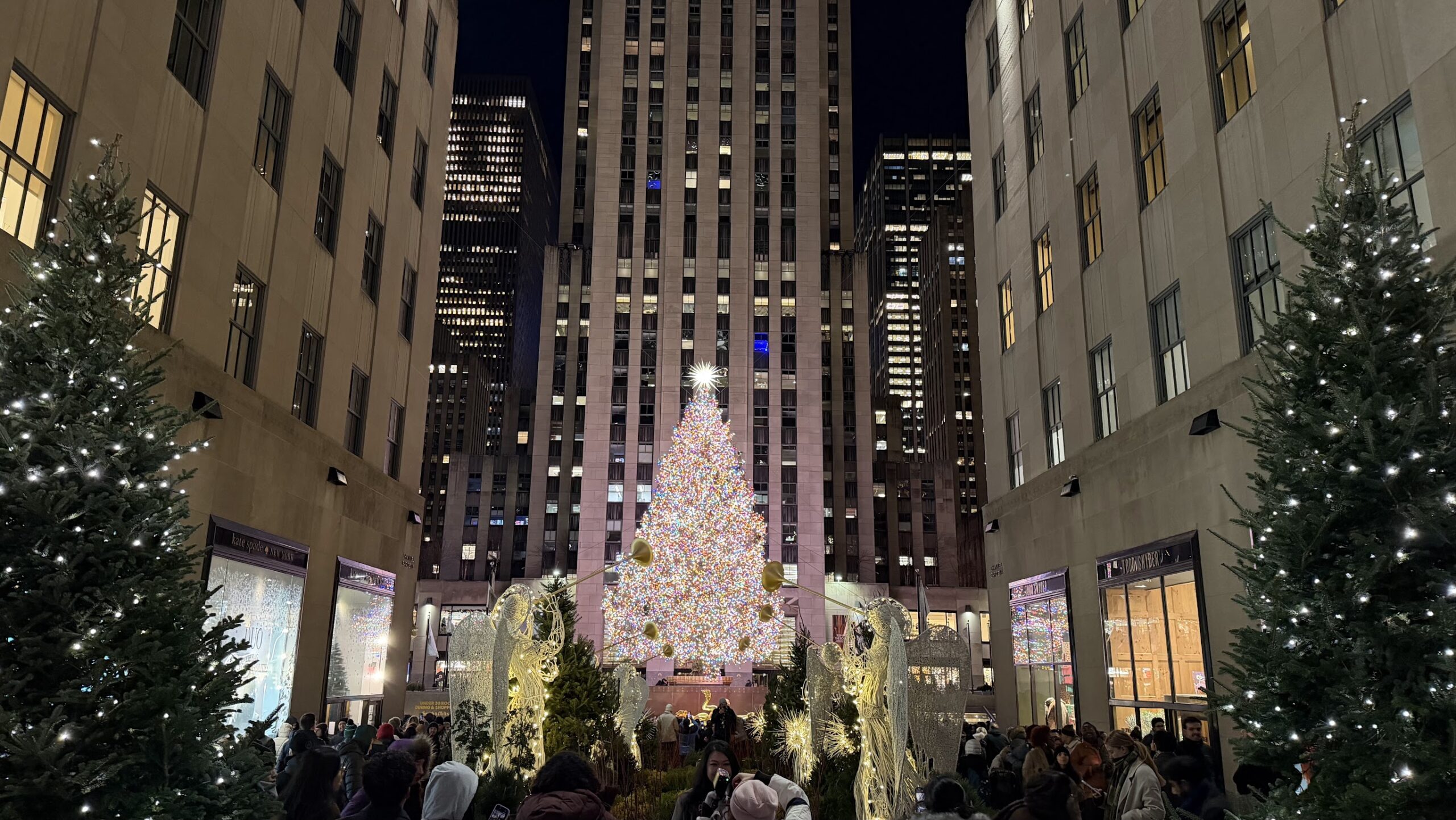
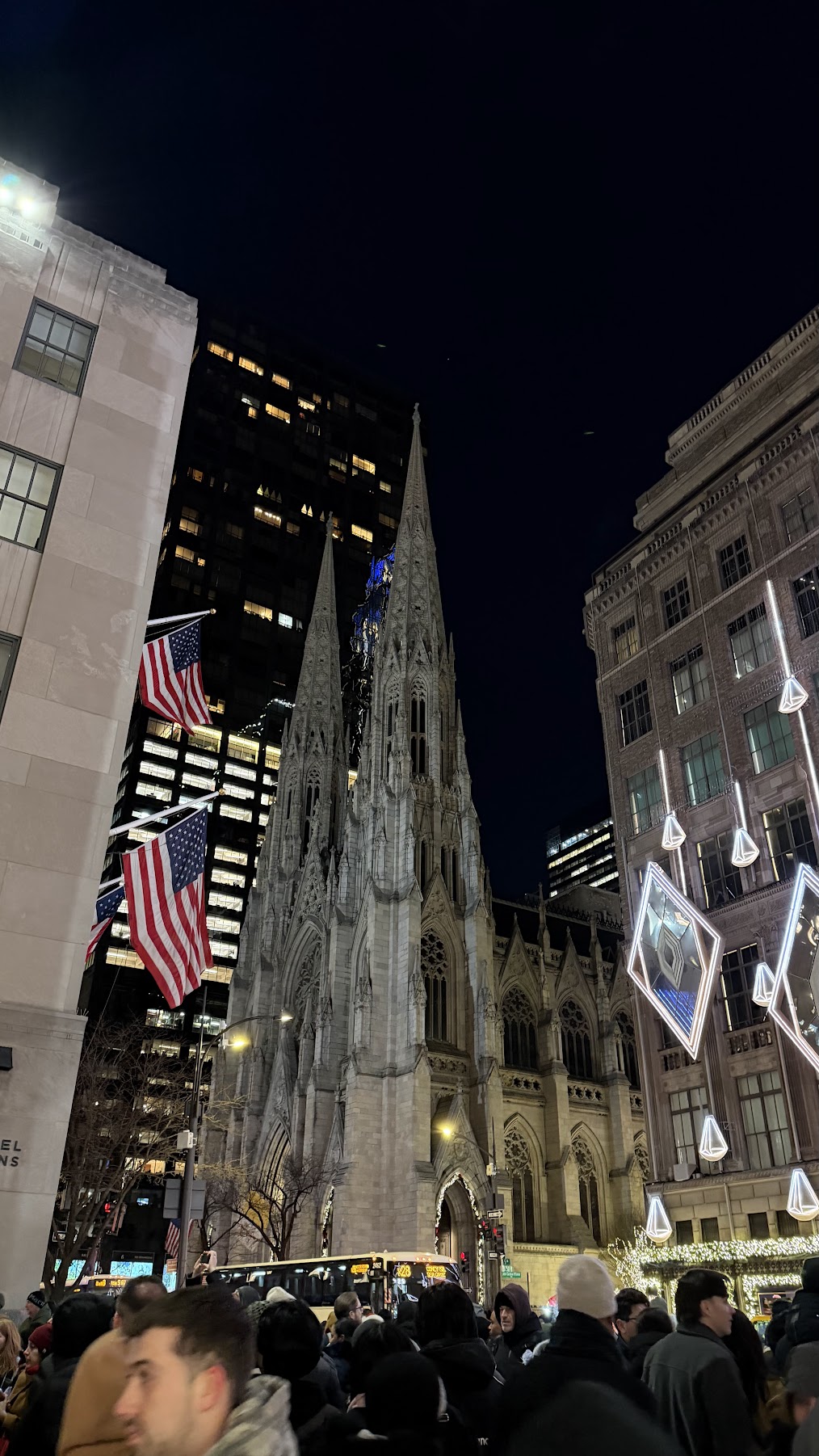
Saks Fifth Avenue stood out. The holiday windows were genuinely impressive, each one a miniature theatrical set, and the evening light show along the building’s facade is worth watching even if you have no intention of going inside. The stretch between Rockefeller Center and Bryant Park is worth walking just for the atmosphere.
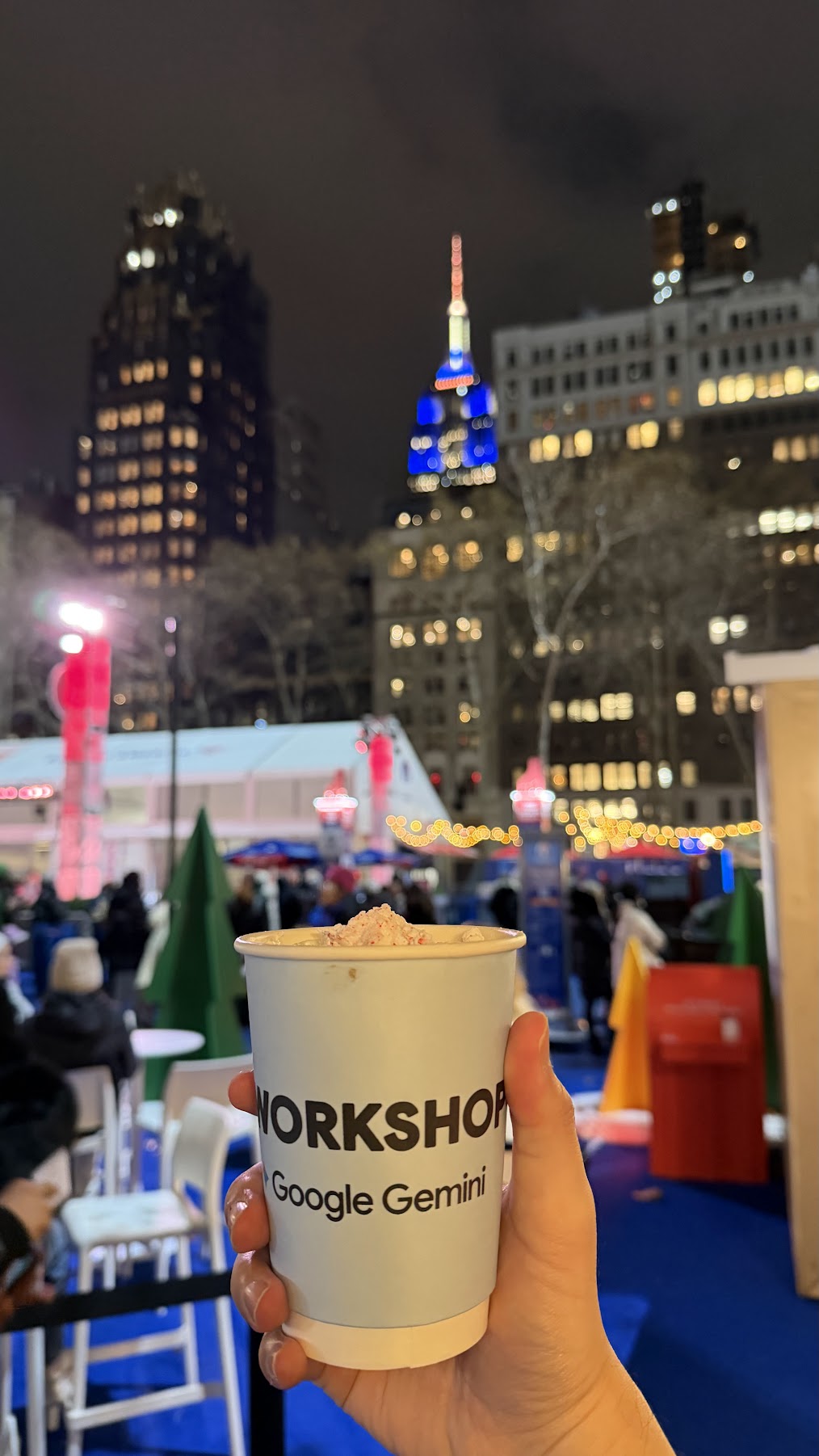
Bryant Park’s Winter Village felt a touch more relaxed by comparison. The market stalls, ice rink, and general vibe felt a little more local than the Rockefeller crowds. There was even a Gemini AI pop-up installation tucked in among the hot chocolate stands and ornament vendors.
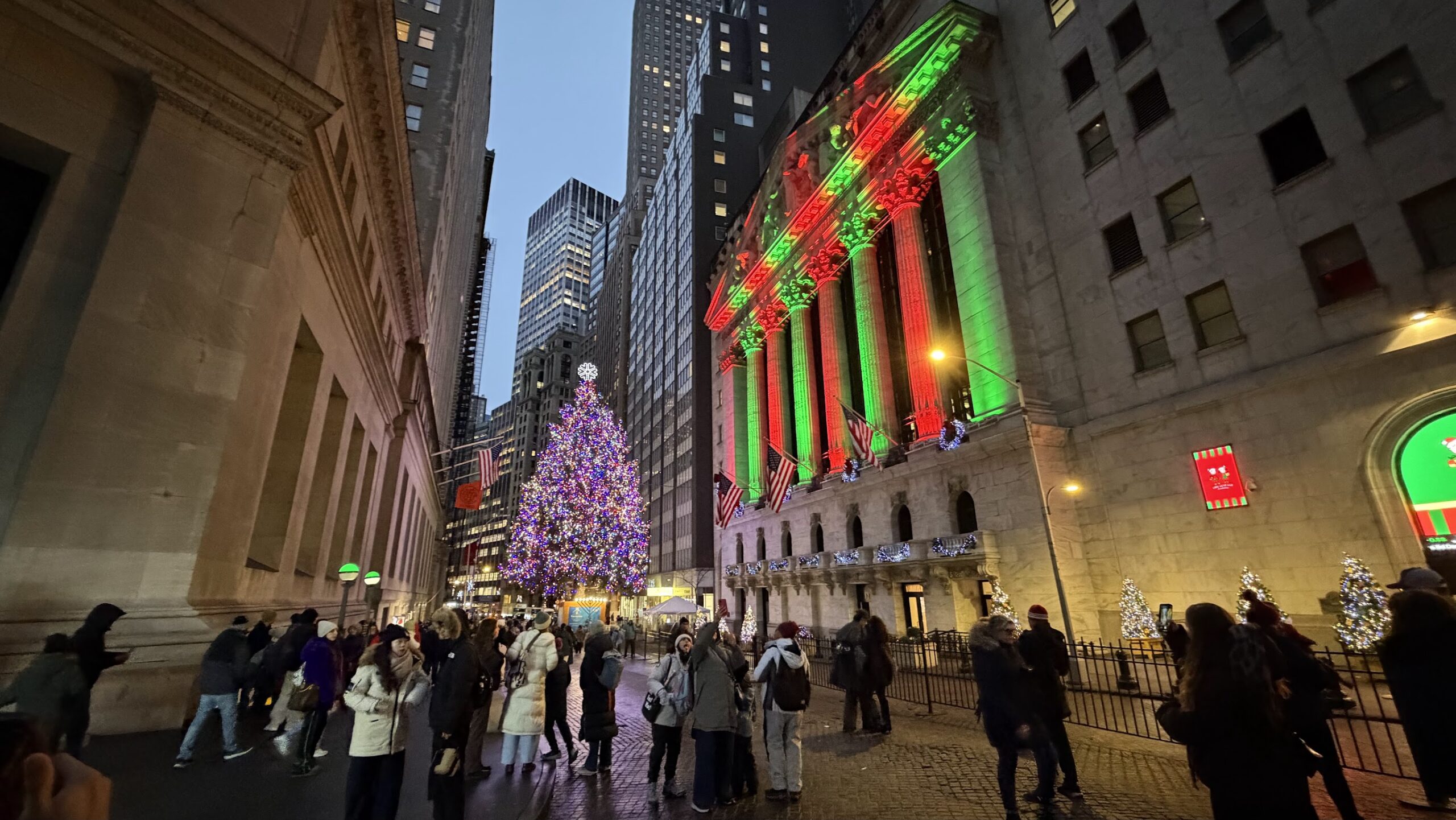
The festive decorations extended well beyond Midtown. Down in the Financial District, the New York Stock Exchange was lit up for Christmas, its neoclassical facade draped in lights. It is the kind of thing you stumble upon rather than plan for, and it was a good reminder that the holiday atmosphere in New York spreads further than the obvious tourist stretches.
Times Square
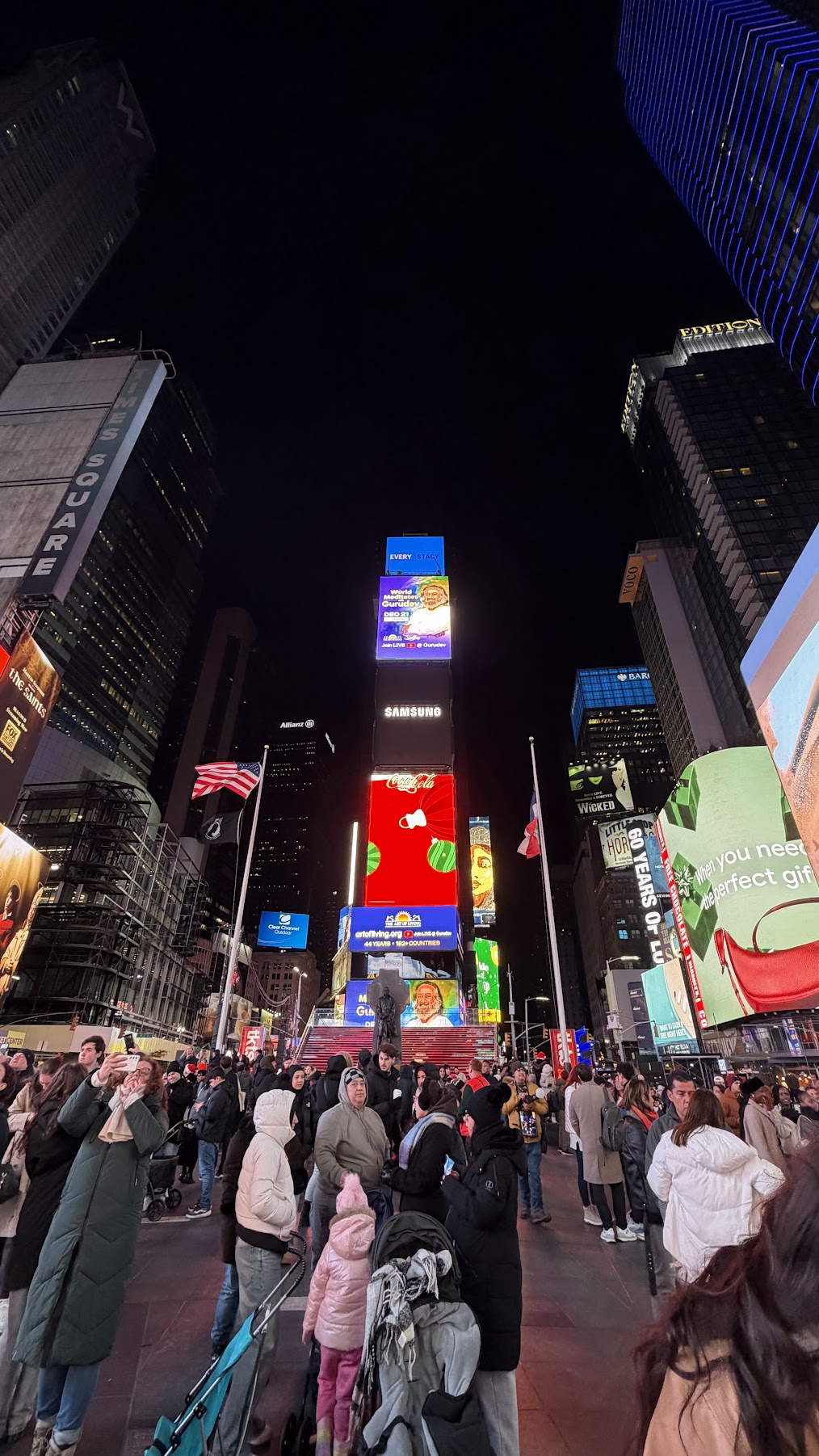
No trip to New York during the holidays is complete without at least passing through Times Square. It is touristy, loud, and overwhelming. It also earns its place on any first-timer’s list. The sheer density of screens and crowds and noise is something you have to see at least once.
The famous New Year’s Eve ball drop happens here, and the area was already buzzing with anticipation as the date got closer. We didn’t stay for it though. Standing in a freezing, tightly packed crowd for several hours with no easy bathroom access was not something either of us could get excited about. If you do want to experience it, you need to arrive early in the afternoon to claim a spot, and you are essentially committed for the rest of the evening from that point. We took it in and moved on.
Statue of Liberty
There is only one legitimate place to book Statue of Liberty tickets, which is the official Statue City Cruises website. Anyone approaching you near Battery Park offering tickets is not someone you want to deal with.
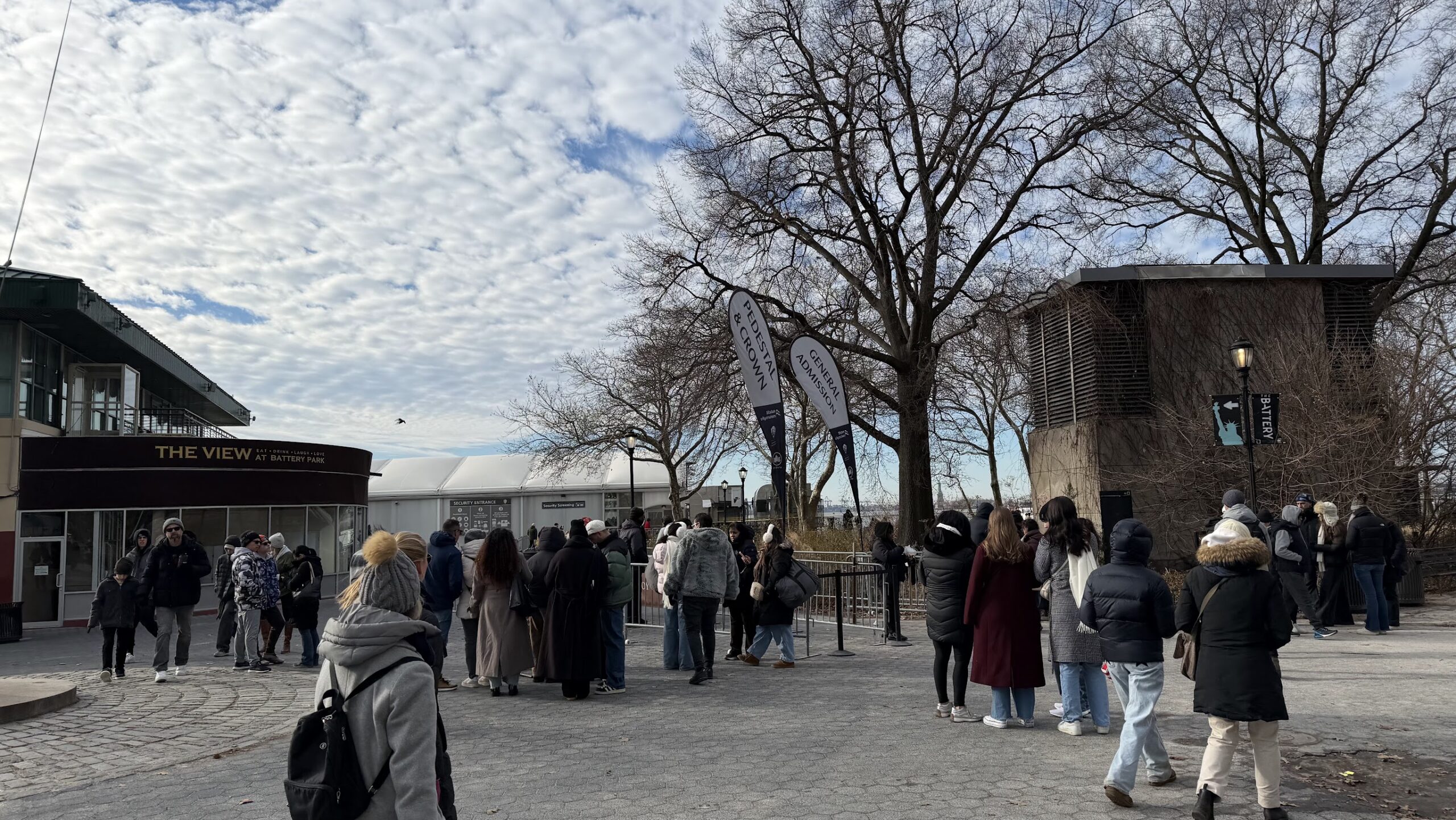
Once you have your tickets sorted, you go through a security check at the terminal before boarding the ferry to Liberty Island. The ferry ride itself is already worthwhile: the views of the Manhattan skyline from the water are genuinely good, and you get a sense of the scale of the harbour that you simply do not get from shore.
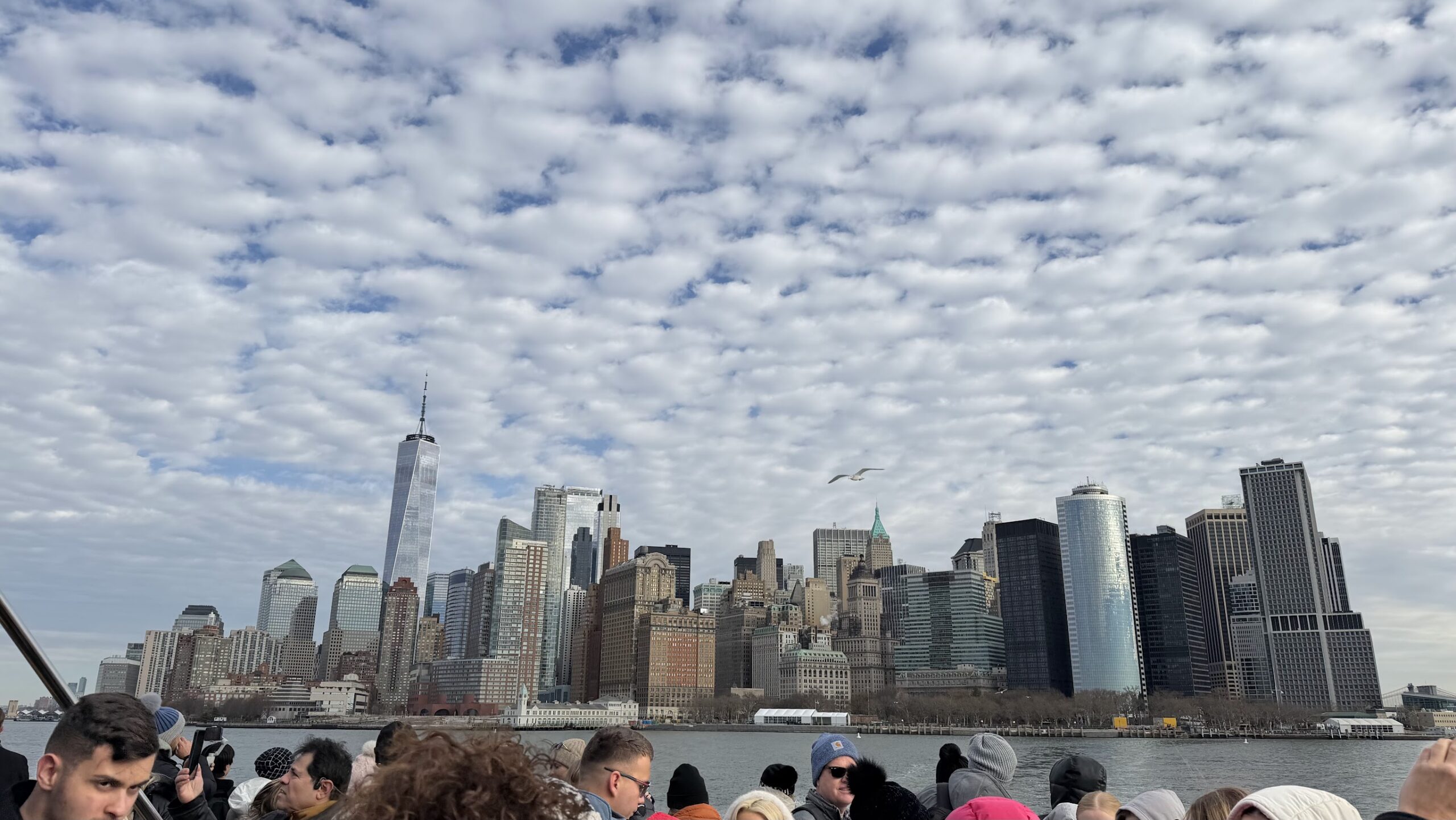
I had done pedestal access back in 2019, but this time we managed to get crown access, which we booked about three months out. The price difference over pedestal access is only US$0.30, and the experience is genuinely different.
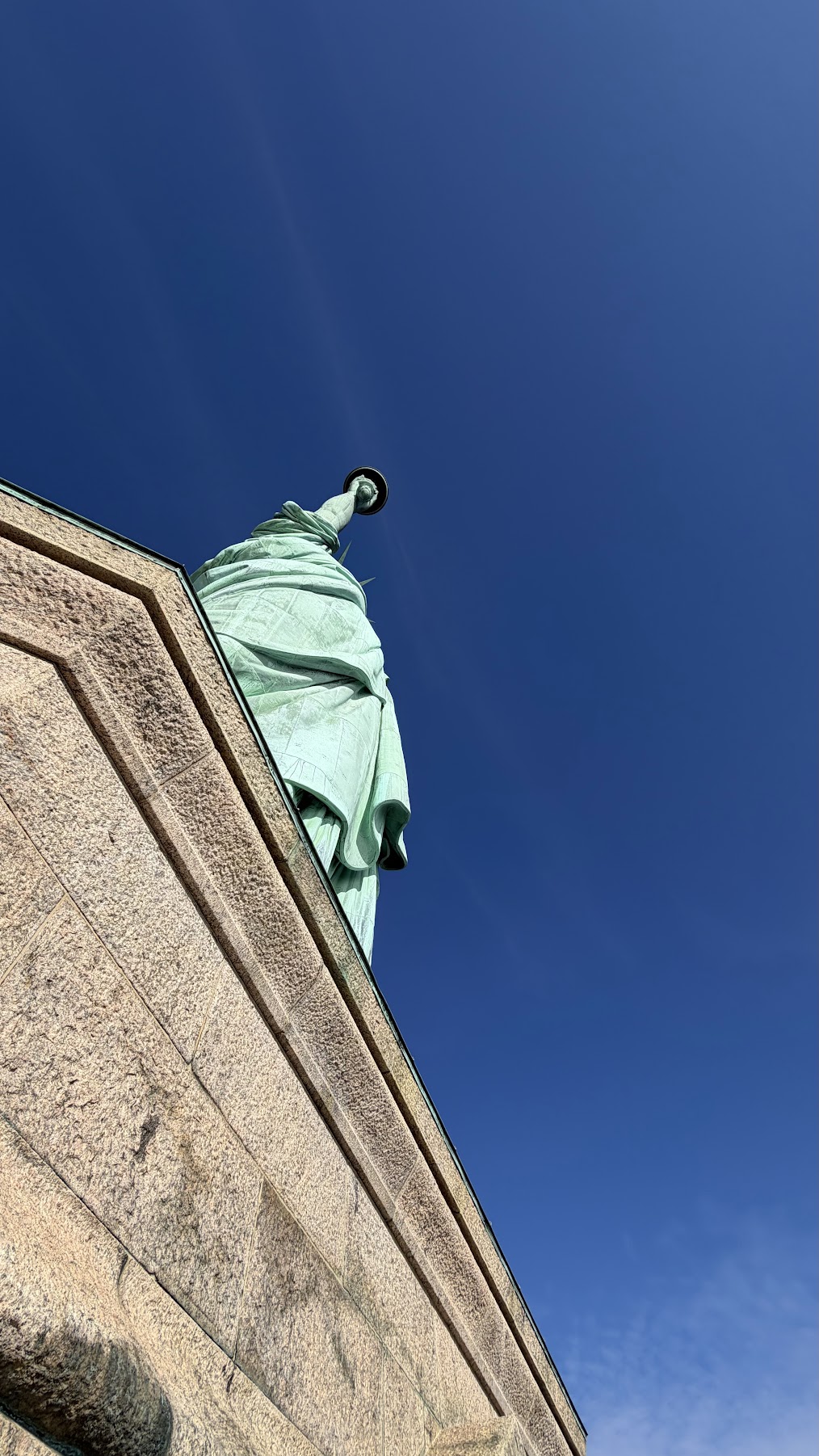
Climbing through the narrow interior and looking out to Manhattan from those small windows at the top is oddly intimate and a little surreal. Steep, tight, and completely worth it.
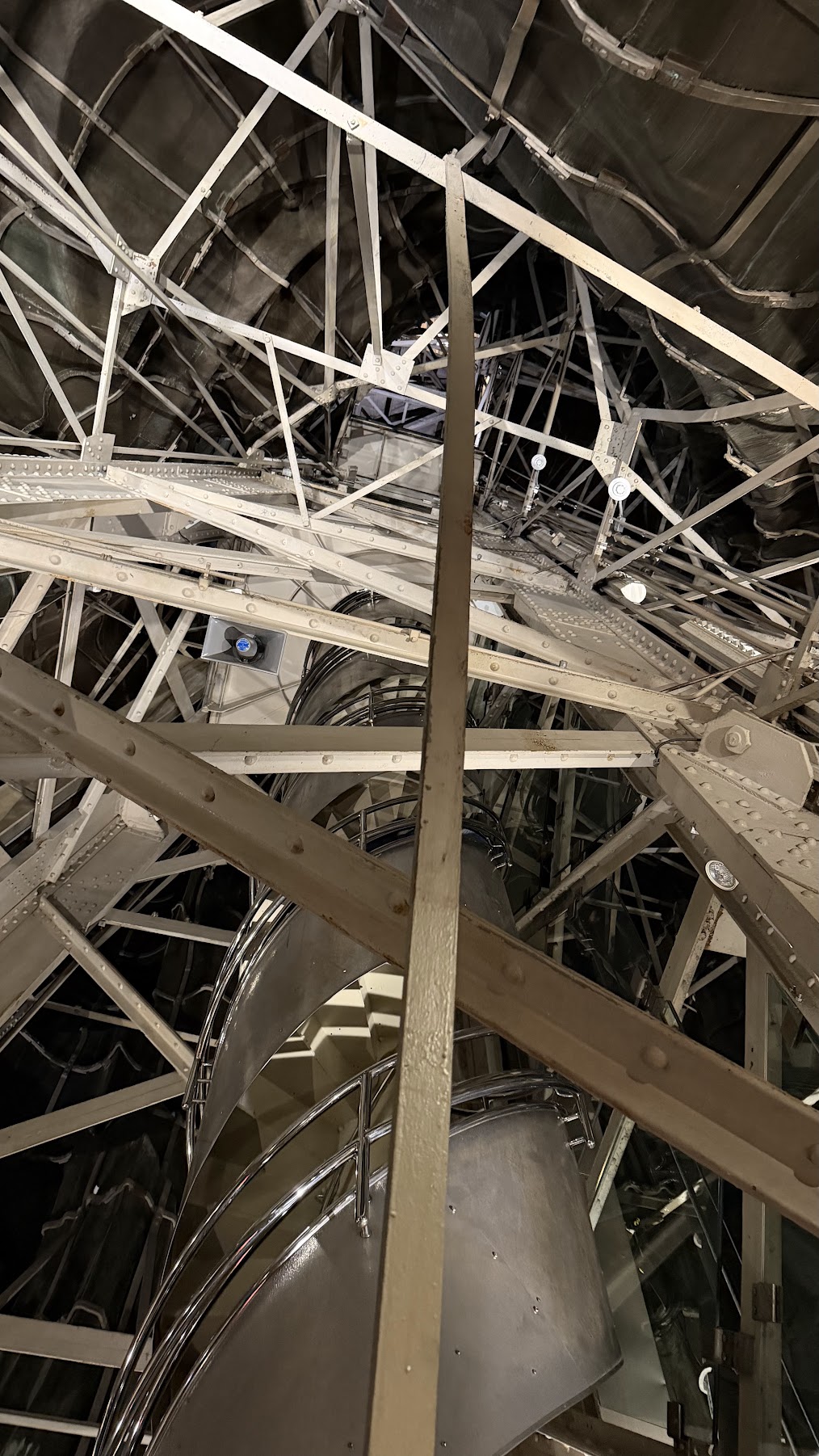
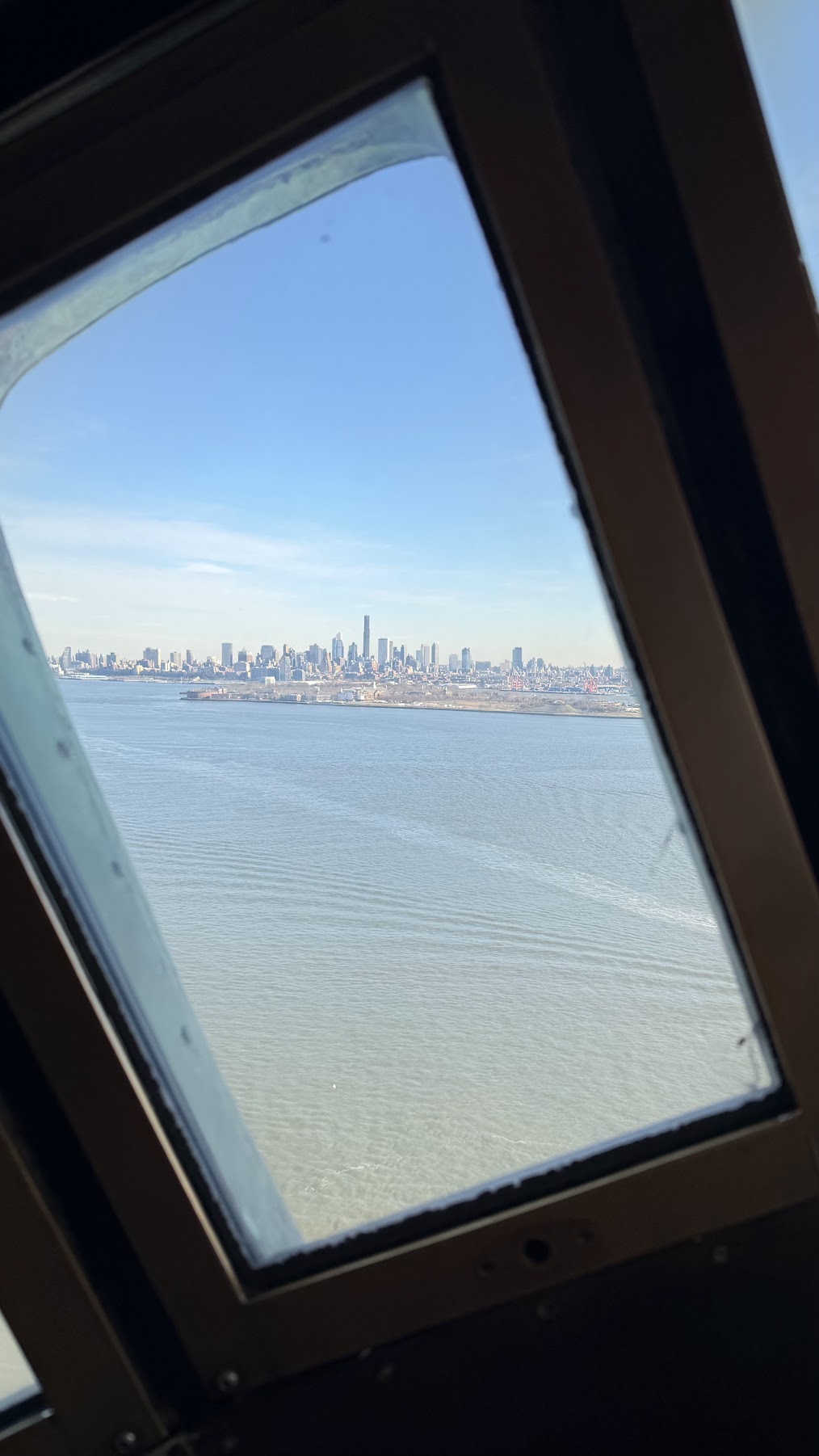
Be prepared to spend at least half a day here. Most people underestimate how much there is to see. Liberty Island also has a visitor centre with exhibits on the statue’s history and construction, and there is a self-guided audio tour (included in your ticket) that is worth picking up.
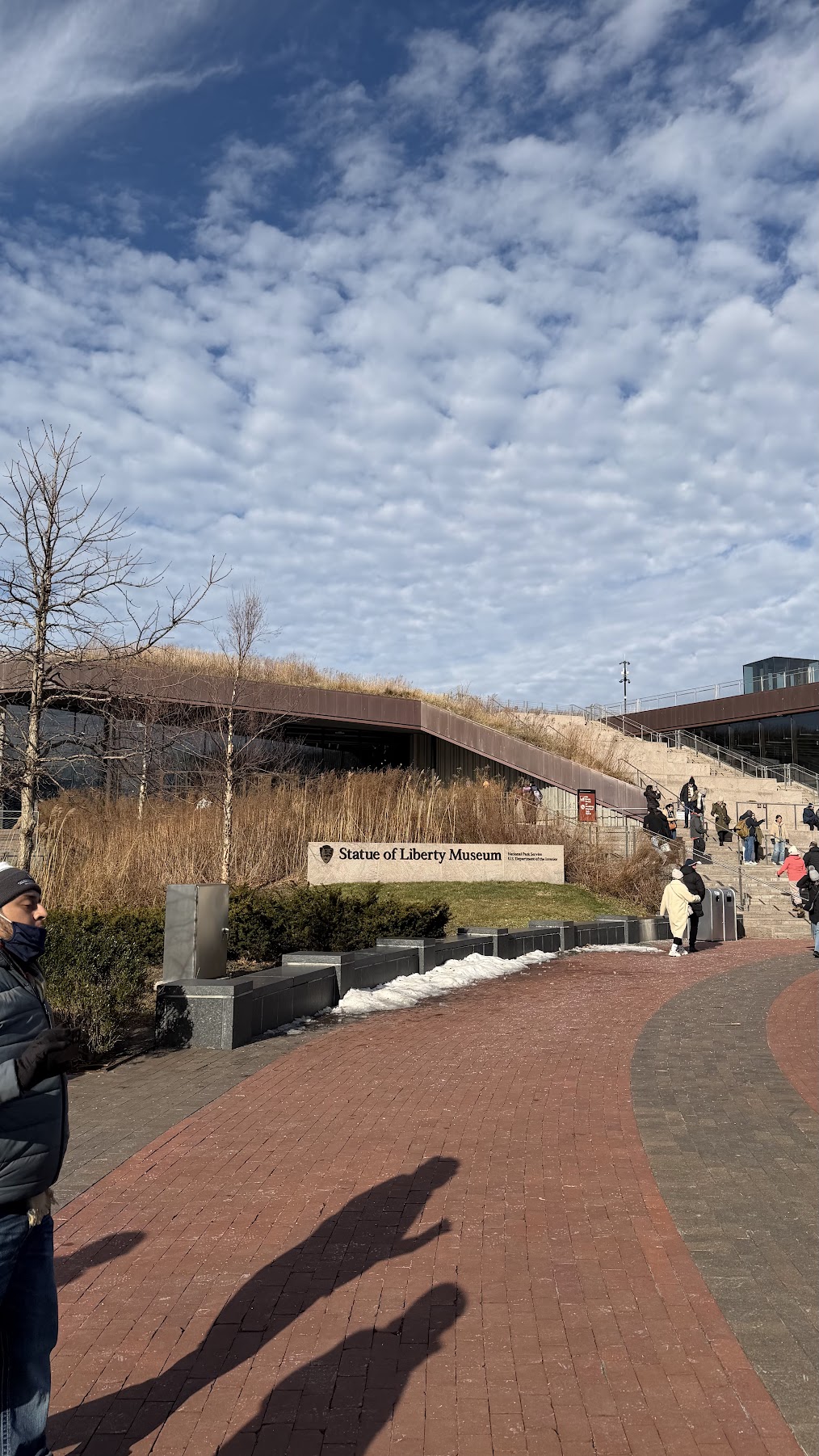
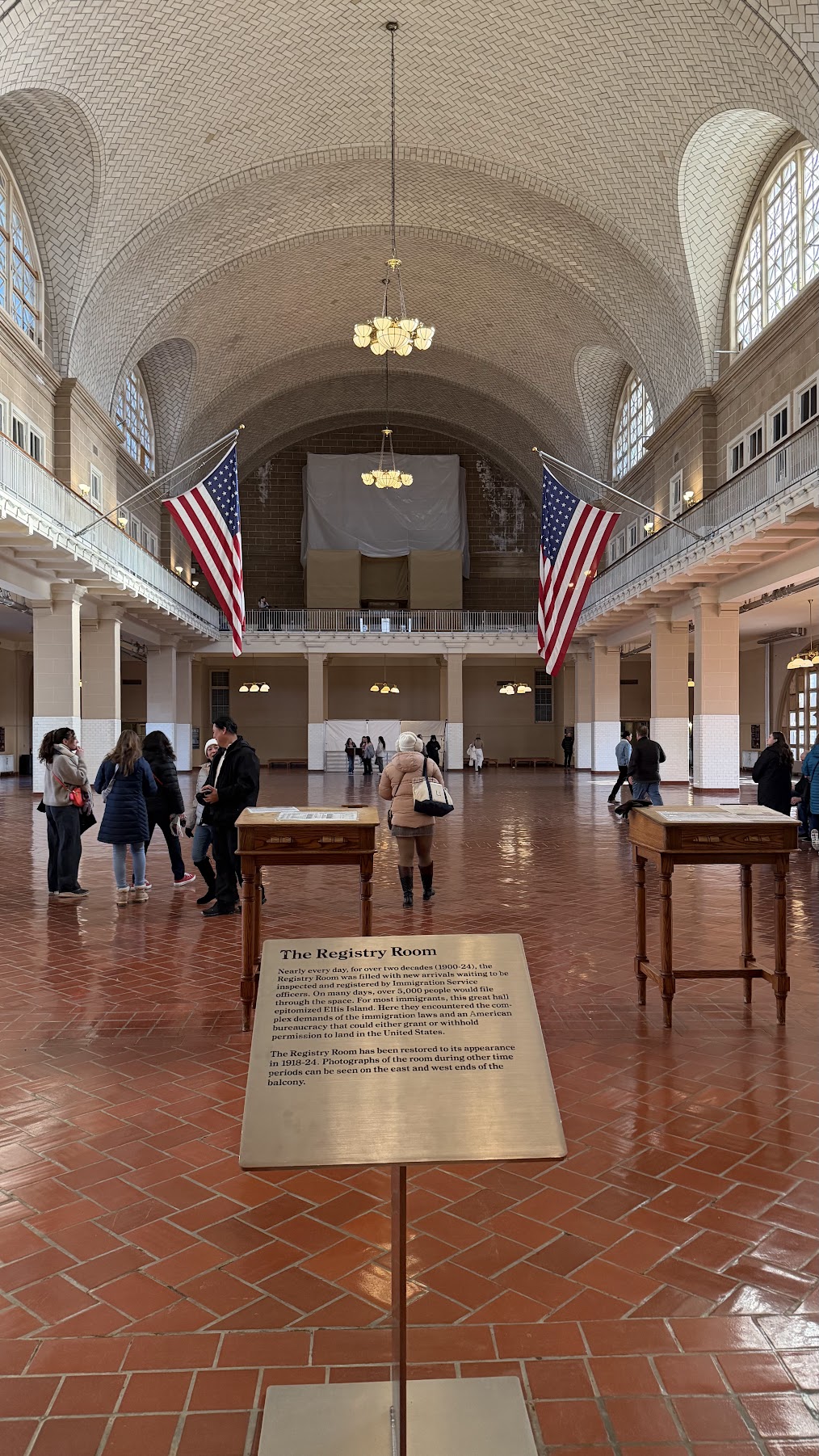
The ferry also stops at Ellis Island on the way back, which has its own museum dedicated to the history of immigration through the port. It is sobering and well put together, and easy to spend an hour or more in without realising it.
Broadway lotteries & rush tickets
Broadway is always on my list when I am in New York.
The good news for budget-conscious theatregoers is that most shows offer some combination of rush tickets and digital lotteries, and they are worth trying. They are two different things though, so it helps to understand how each works.
Rush tickets are released at the box office on the day of the show, typically when it opens. You show up, join the queue, and hope there are seats left. It rewards people with flexible schedules, given that there is no guarantee you will get in, and it’s not always cheap either.
Lotteries work differently. You enter through the show’s official app or website, or designated third-party platforms, usually a day or two before the performance. A draw is held and winners are notified a few hours before showtime. You do not need to queue, but you are at the mercy of the draw. Prices for both tend to be significantly cheaper than standard tickets, often in the US$30 to US$60 range. You can always check out Playbill for the latest information.
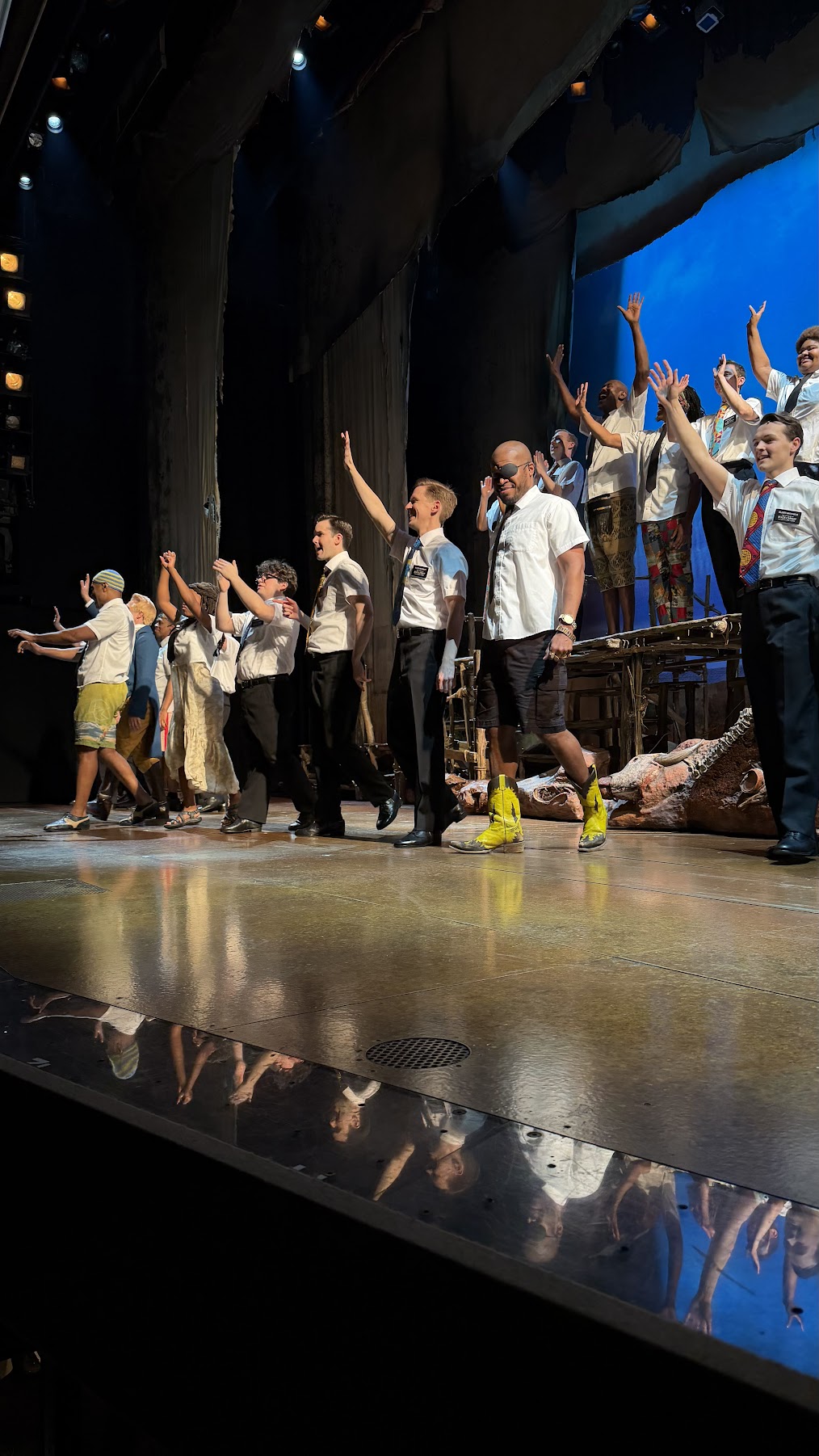
I’ve tried Broadway lotteries more times than I can count, with consistent failure. This trip finally broke the streak. We landed tickets to The Book of Mormon through the lottery and were upgraded to front-row seats on the day. It was an unexpected and very welcome surprise.
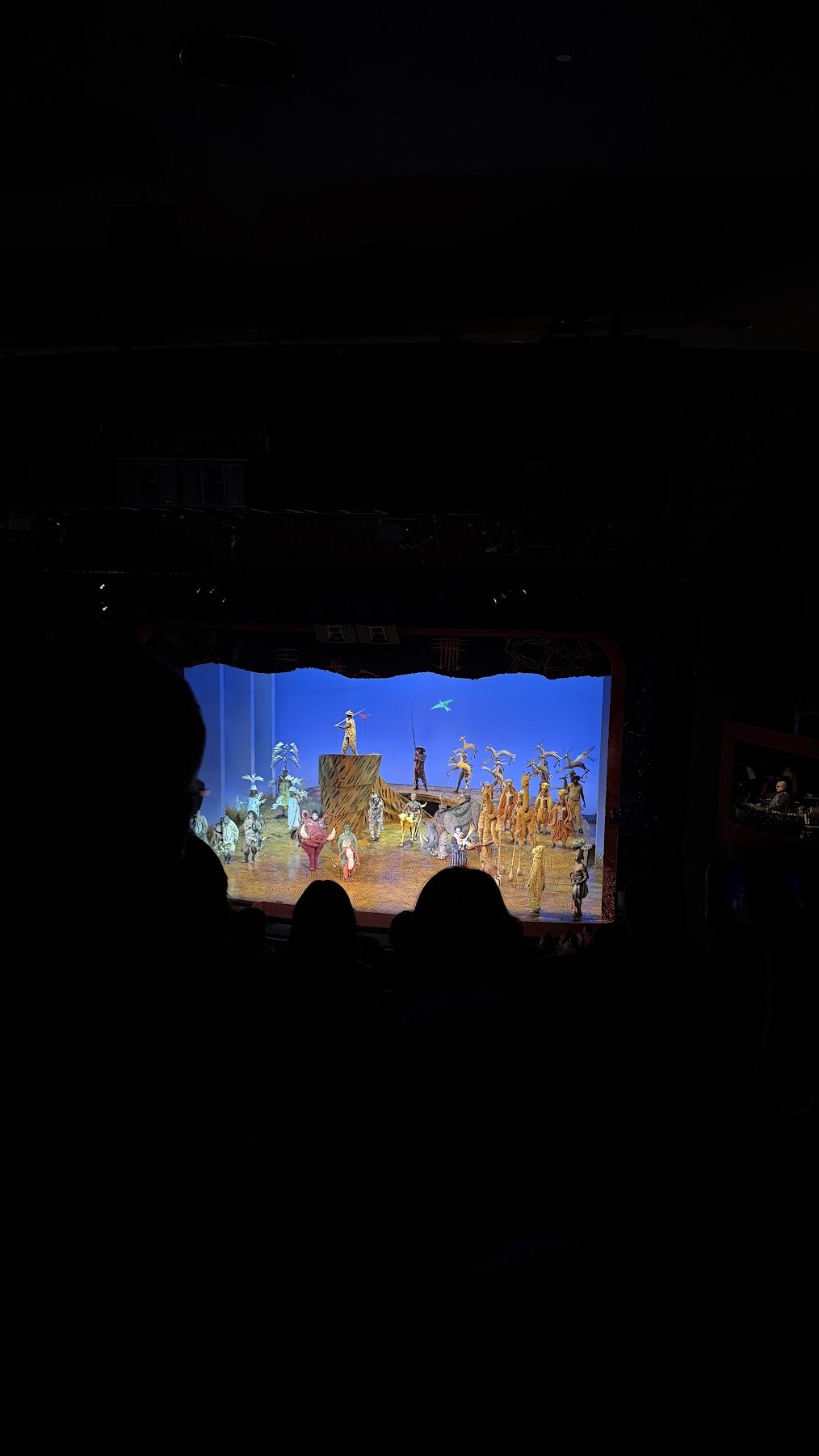
The Lion King proved harder to crack through the lottery, so we bought tickets outright. Interestingly, prices had dropped by the time we checked closer to the performance date compared to when we first looked. It’s worth checking again near your travel dates rather than assuming early purchase locks in the best rate.
Museums of New York
New York’s museums deserve more time than most trips allow, and we made the most of the time we had.
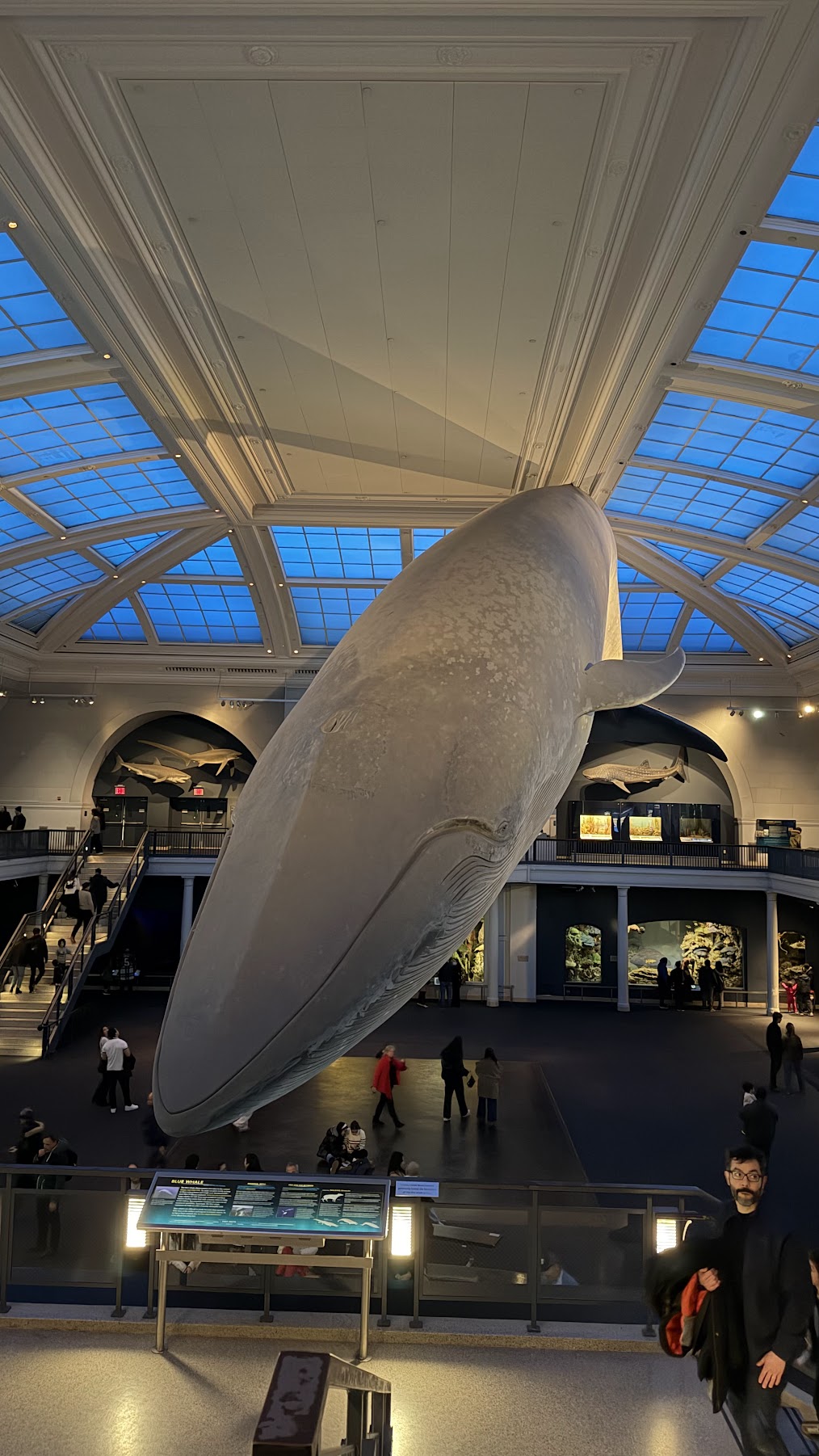
The Metropolitan Museum of Art is one of my favourite museums anywhere in the world. The scale of it is almost disorienting: over two million works spanning five thousand years across multiple floors and wings. We went in with a rough plan of what we wanted to see and still ended up wandering off course, which is honestly the right way to do it. You could visit five times and still find rooms you had not been in before. If you only have time for one museum in New York, this is the one.
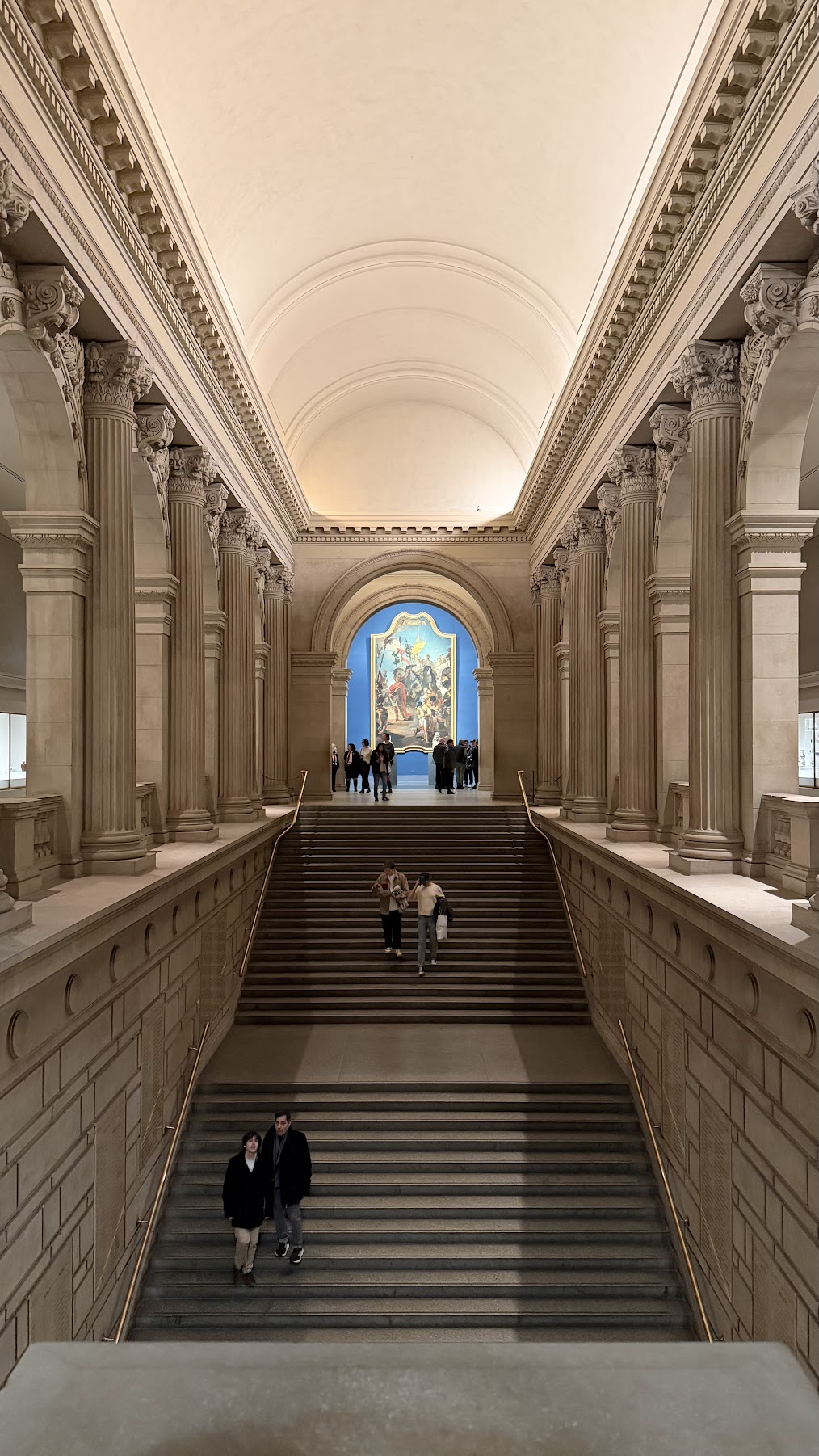
Entry is pay-what-you-wish for New York State residents, but for out-of-state and international visitors there is a fixed admission price. It is worth it. Budget at least half a day, and more if you can.
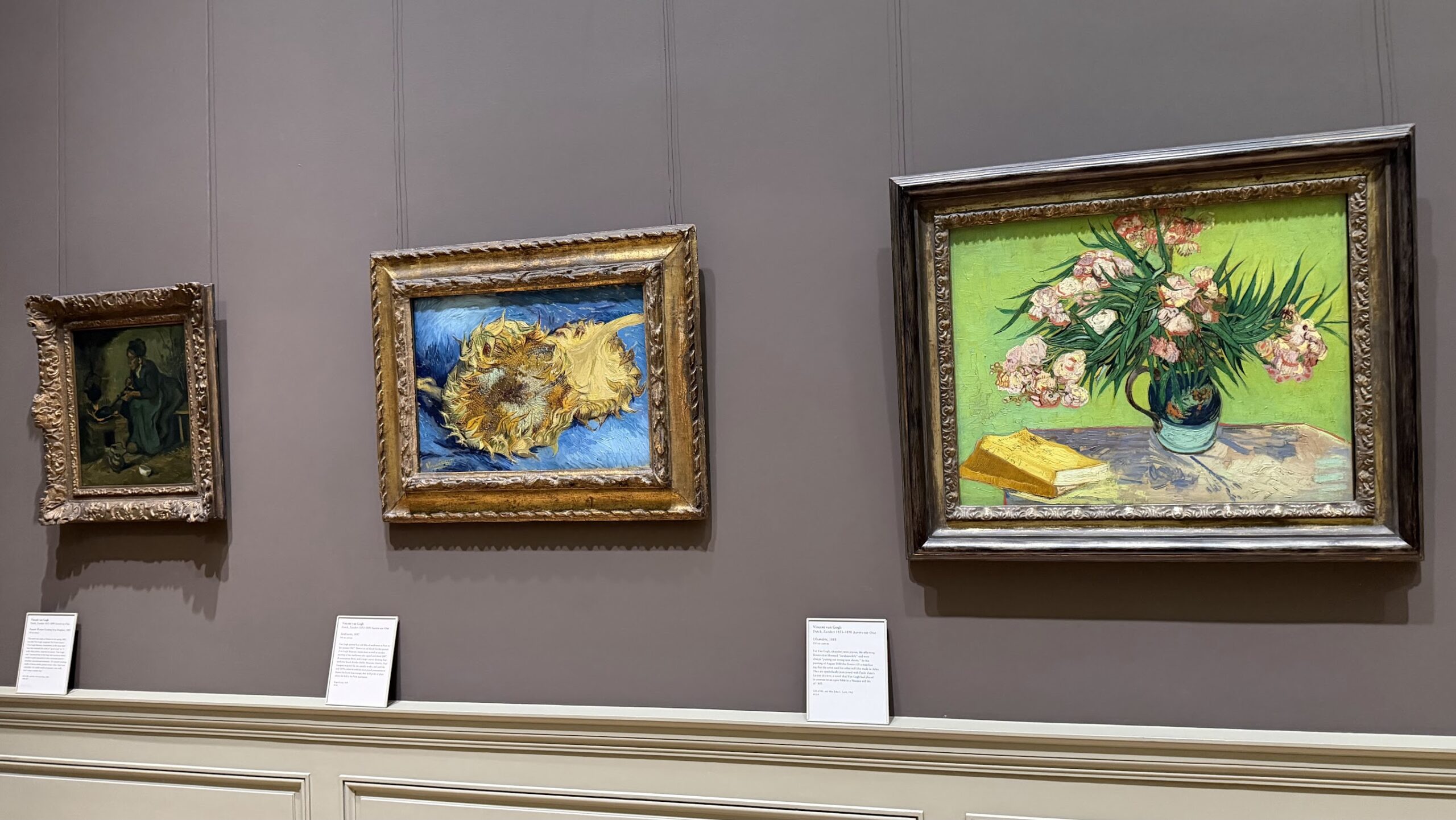
The American Museum of Natural History has a very different energy from the Met: more interactive, more immediately accessible, and genuinely impressive in terms of sheer spectacle. The Titanosaur skeleton that greets you is one of those exhibits that stops you in your tracks. At around 37 metres long, it is too large to fit in the room, and its head actually extends into the hallway.
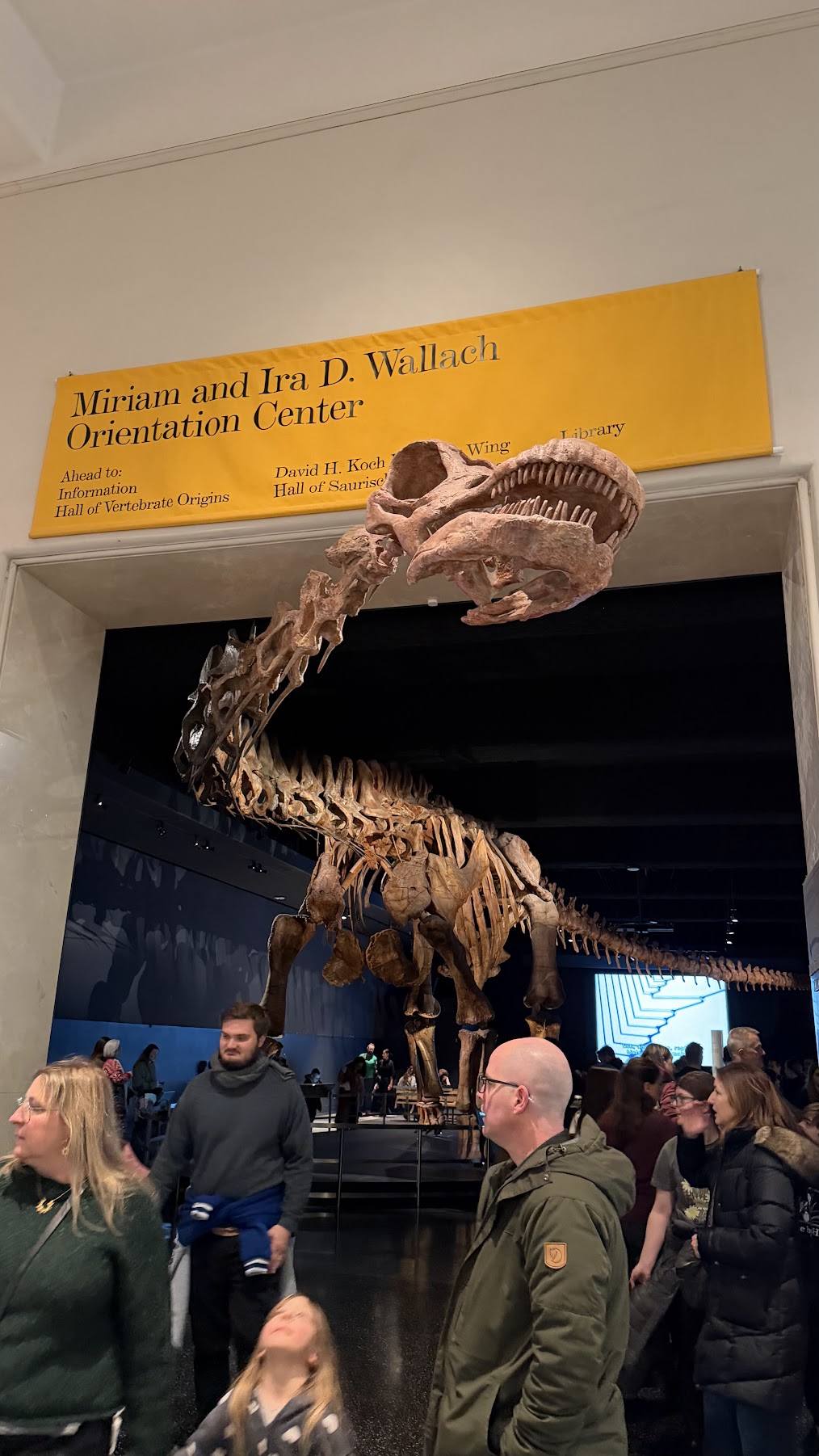
The Hall of Ocean Life, with its famous blue whale model suspended from the ceiling, is another highlight.
If you are travelling with kids, this is probably the better starting point. If you are choosing between the two as an adult, I would still lean towards the Met, but the AMNH is far from a consolation prize.
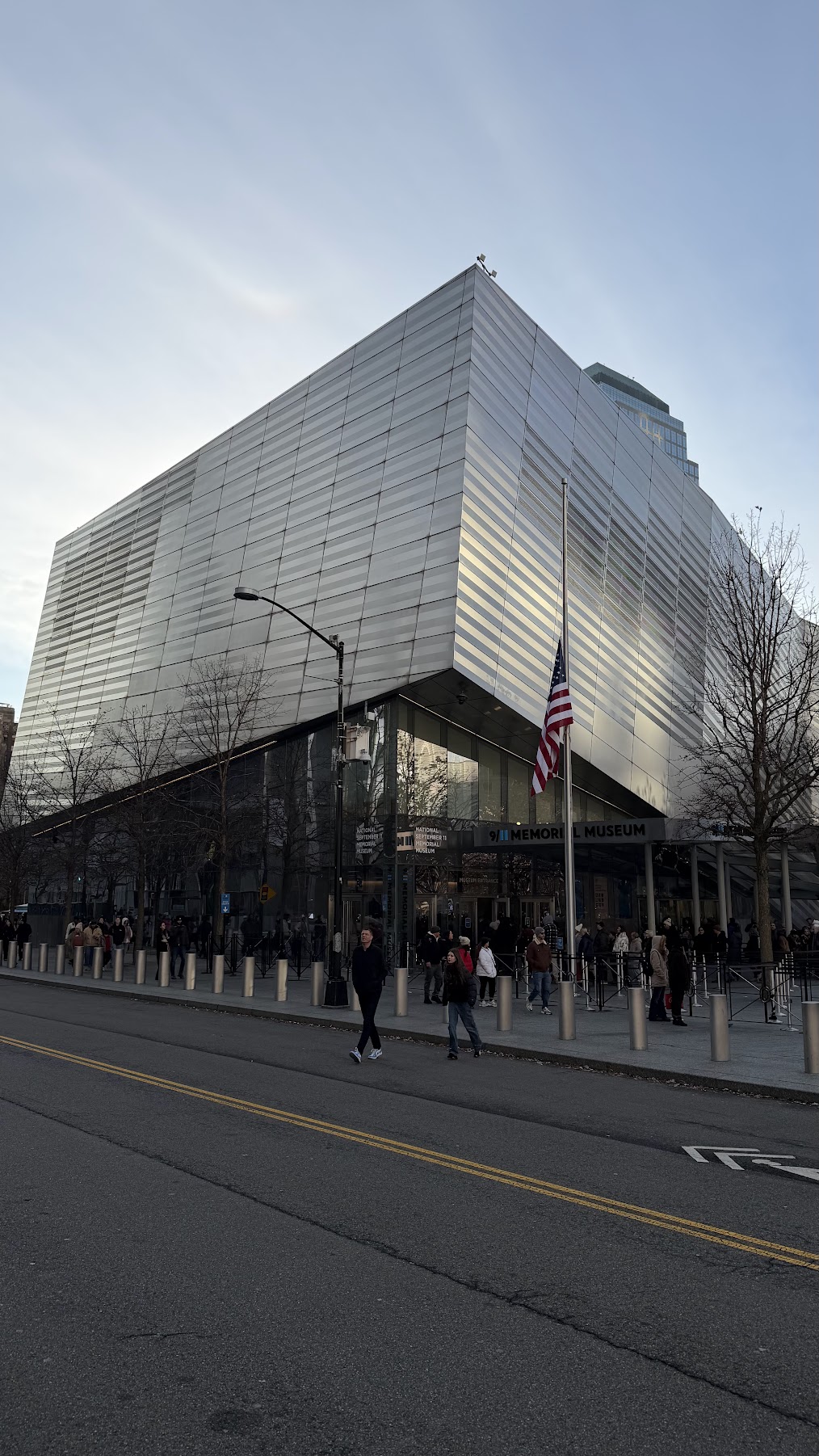
The National September 11 Memorial and Museum is a different kind of visit entirely. It is not an easy one, but it is an important one. The memorial pools sit in the footprints of the Twin Towers, and the scale of them is striking even before you go inside.
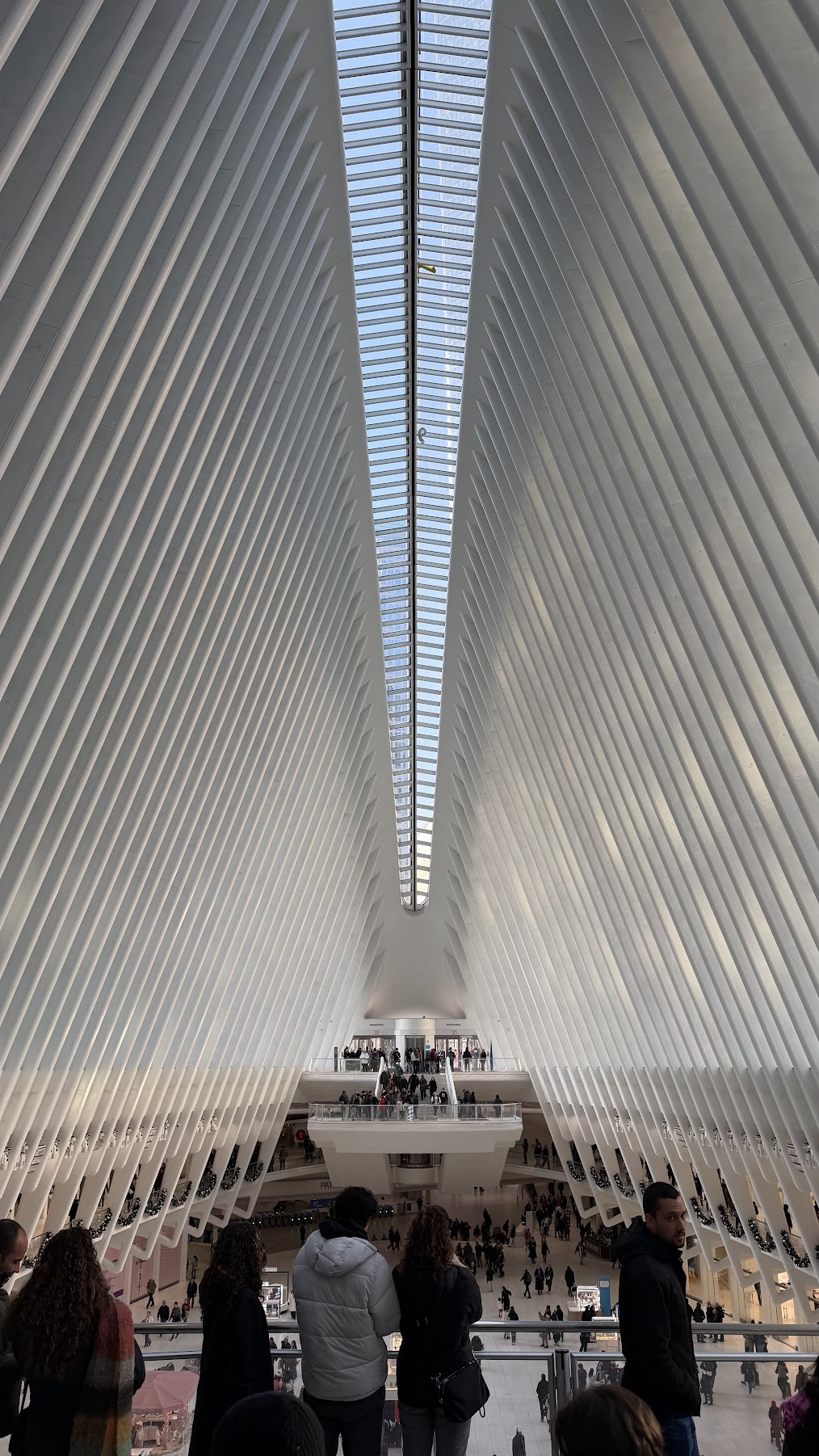
While you are in the area, the Oculus is worth a look too. It is the transit hub designed by Santiago Calatrava that sits right next to the memorial, and the interior is genuinely striking: all white ribs arching up toward a narrow skylight that runs the length of the roof. It does not cost anything to walk through, and it takes all of five minutes.
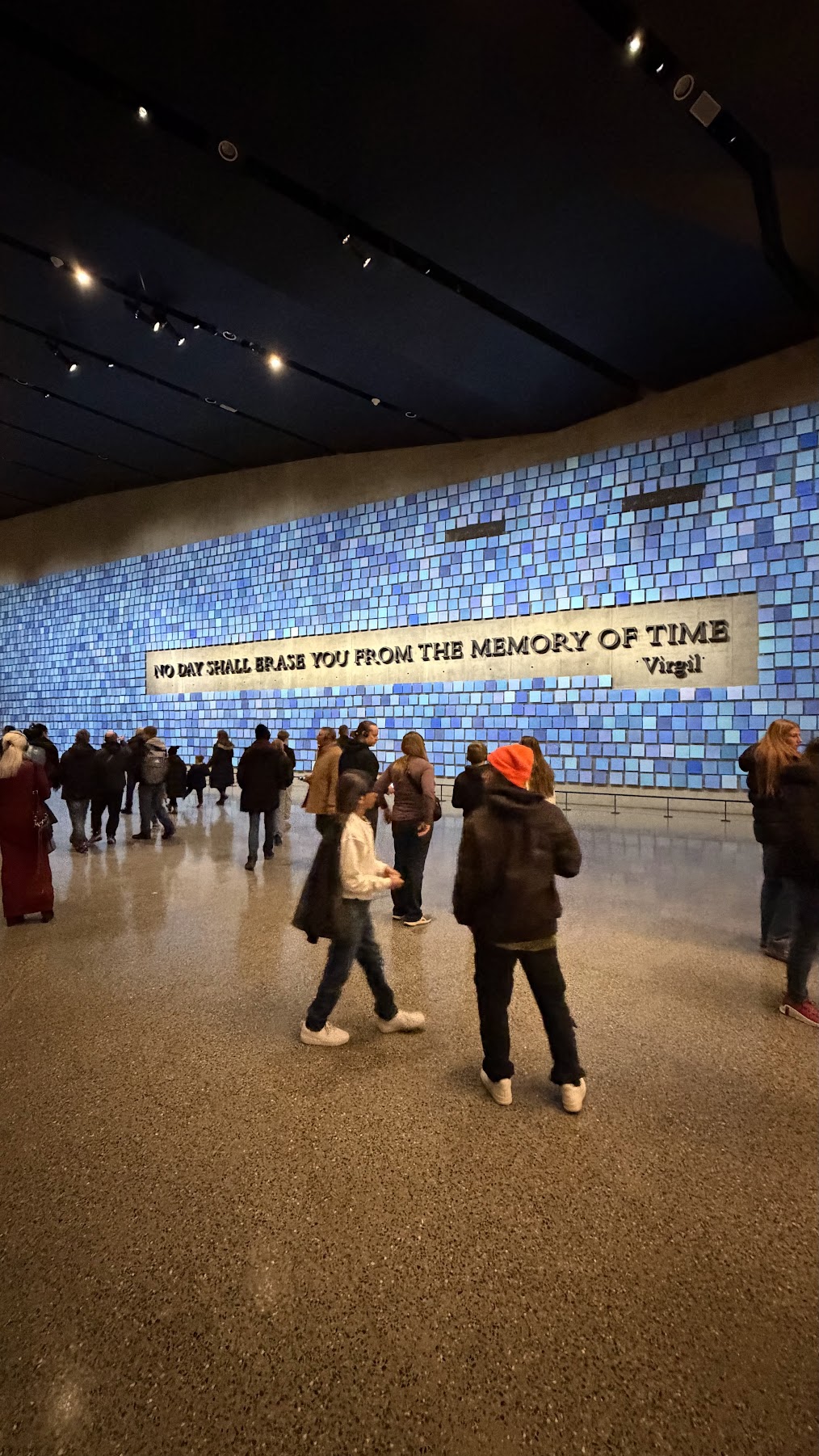
The museum below ground is sobering and meticulously put together, walking you through the events of that day and the months that followed through artefacts, recordings, and personal accounts. It is heavy, and deliberately so. Set aside a good two to three hours for this.
We skipped MoMA this time around. With limited days in the city, something had to give, and New York always makes you choose.
The High Line
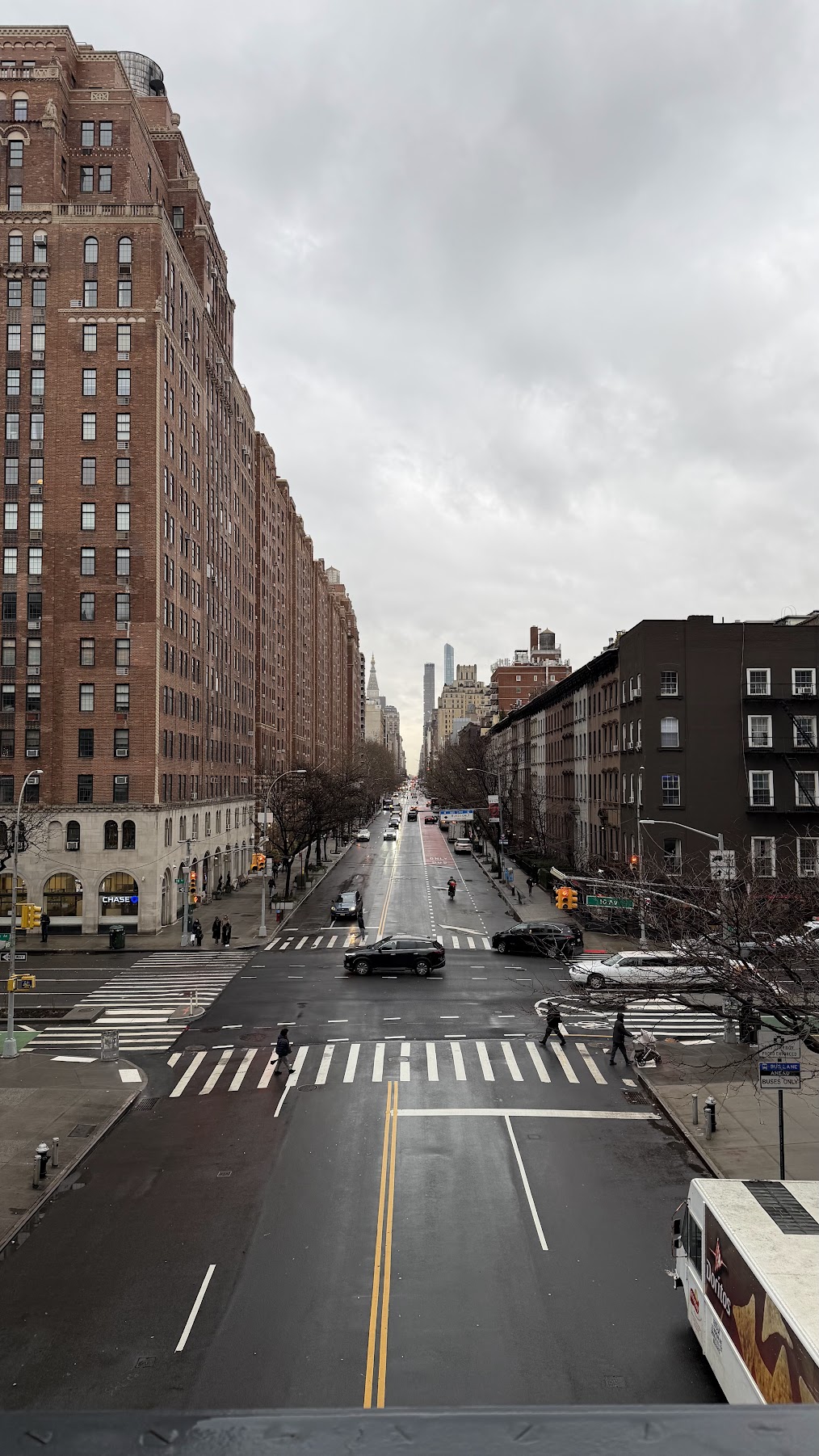
One of the more unexpectedly enjoyable parts of the trip was spending an afternoon on the High Line. It is an elevated public park built on a disused freight rail line on the west side of Manhattan, running about 2.3 km from the Meatpacking District up to Hudson Yards.
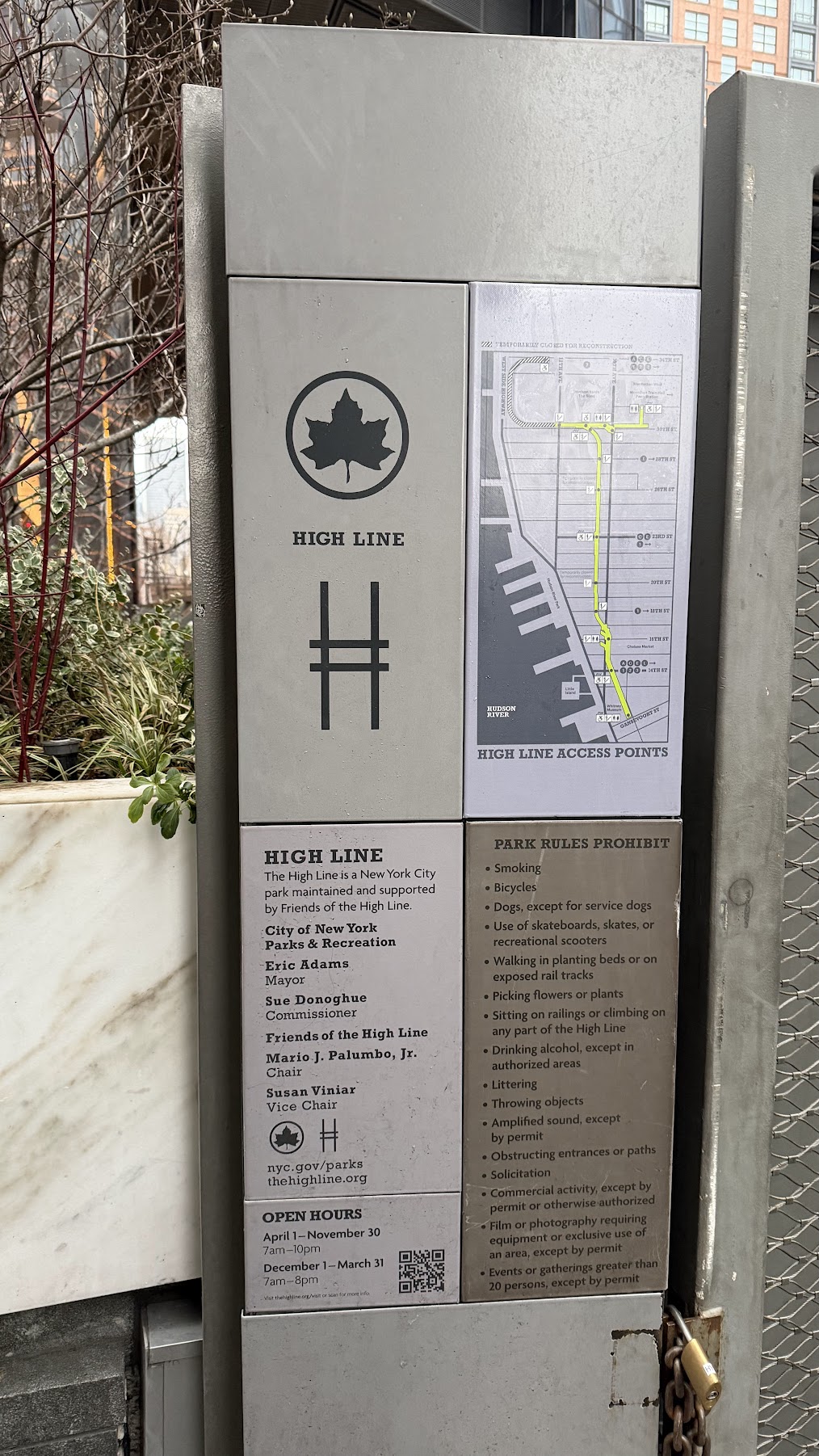
What makes it work is that they kept the infrastructure of what was there. The original tracks and structural elements are preserved throughout, so you are always aware of what the space used to be. Native planting lines the pathway, the views over the Hudson and into the surrounding streets are good, and the whole thing is a genuinely good example of what cities can do with infrastructure that has outlived its original purpose rather than simply tearing it down.
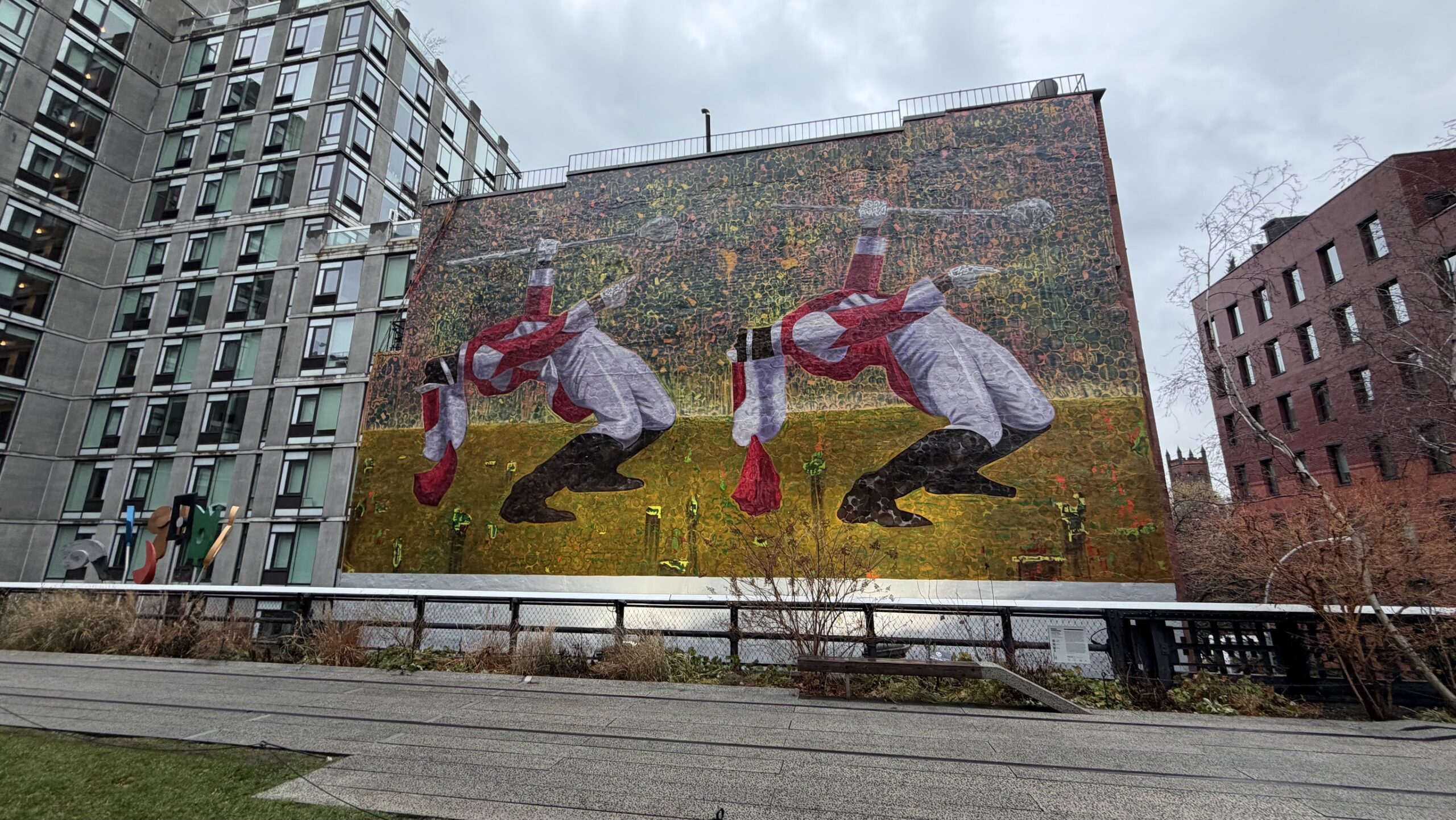
In winter the foliage is sparse and some sections are exposed to the wind, but there was a quietness to it that I actually preferred. It was not crowded the day we visited, and walking the full length at a relaxed pace took about an hour. Worth building into your itinerary if you are in the Meatpacking District or heading to Hudson Yards anyway.
Central Park
No visit to New York is complete without time in Central Park, and in late December it has a particular quality to it. The trees were bare, the air was sharp, and the crowds were thinner than you would expect for a city that busy. It is one of those places that works in any season, but there is something about seeing it in winter that strips it back in a way that feels honest.
We made our way to Belvedere Castle, which sits on a rocky outcrop near the middle of the park overlooking the Turtle Pond. It is smaller than the name suggests, but the views from the top over the surrounding trees and the Manhattan skyline beyond are genuinely lovely. Entry is free, and it is easy to miss if you are not specifically looking for it. Worth seeking out.
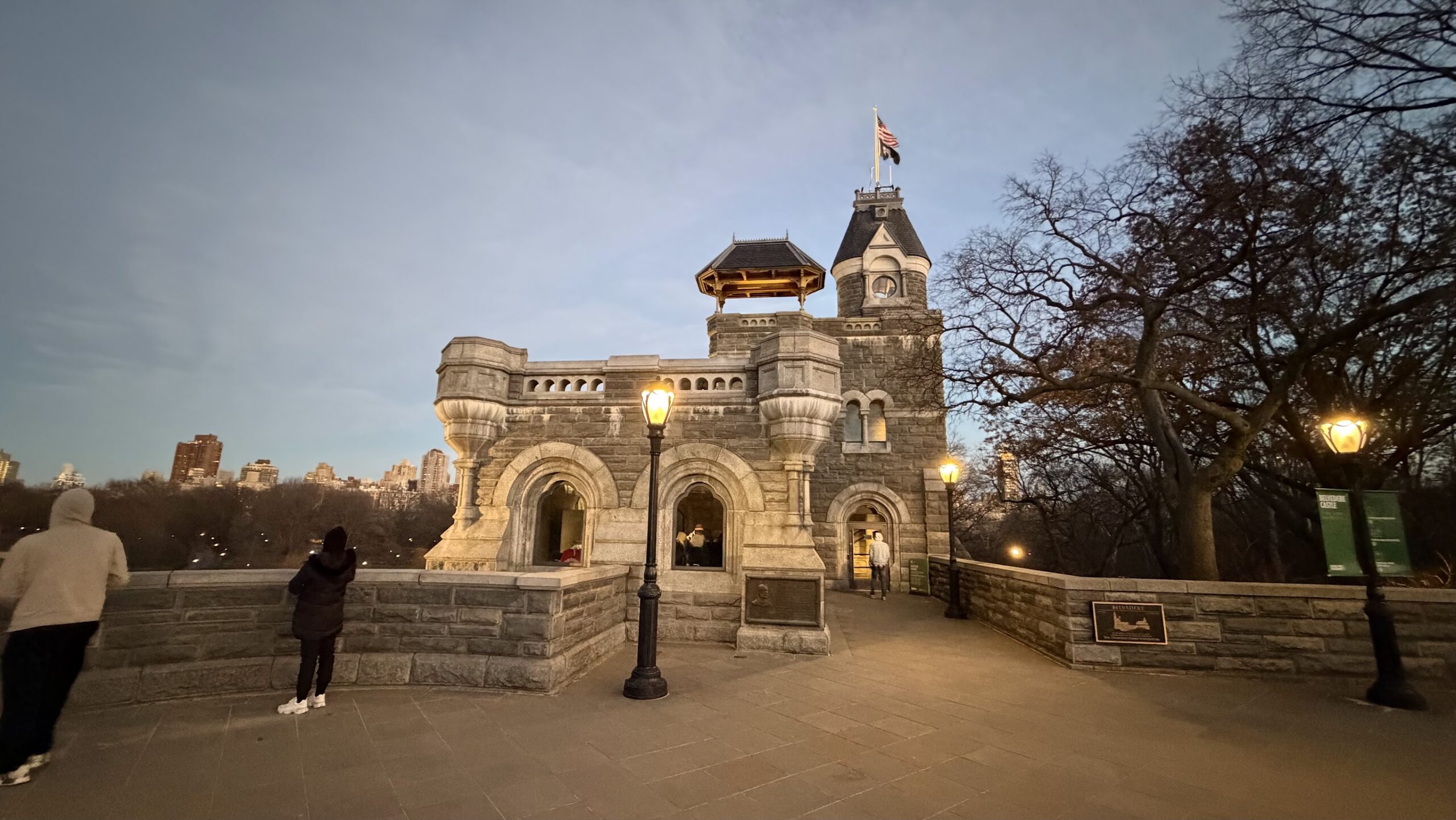
Central Park is large enough that you could spend a full day in it without covering everything. We were not trying to do that. We dipped in and out between other parts of the itinerary, which is honestly a perfectly valid way to experience it.
Dyker Heights
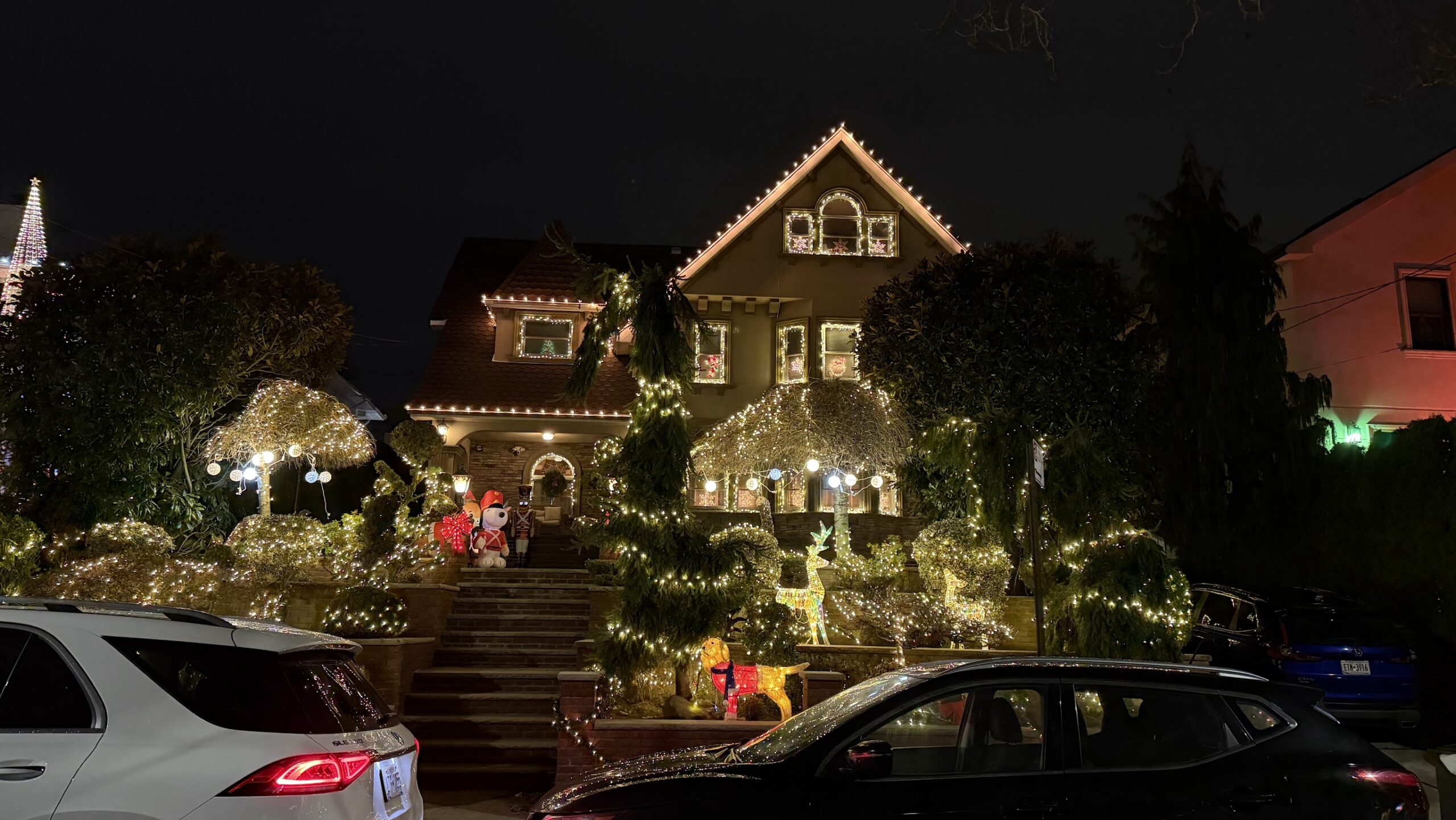
One evening, we made the trip out to Dyker Heights in Brooklyn to see the Christmas lights. It is not central, the cold was biting, and it takes some commitment to get there. The neighbourhood goes completely all out though: giant inflatables, synchronised light displays, fully decorated yards on every block. It tips into the excessive and slightly surreal, but that is also what makes it worth seeing.
Staying in Brooklyn made that detour easier. If we had been staying in Manhattan, I might have hesitated.
Walking the Brooklyn Bridge
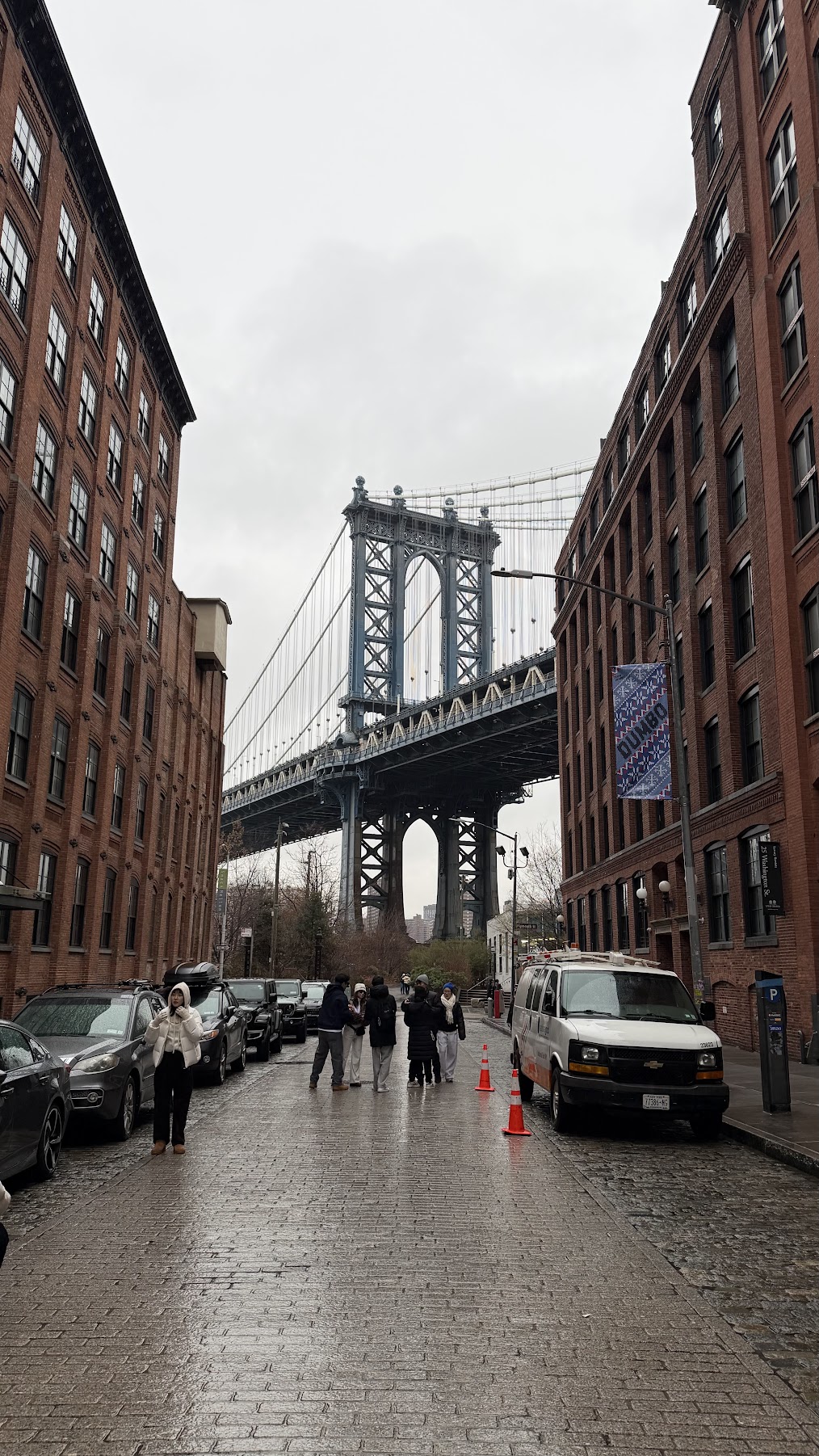
We started the afternoon in DUMBO. The cobblestones were slick from rain, and the Manhattan Bridge framed between the red-brick buildings looked almost cinematic in the drizzle.
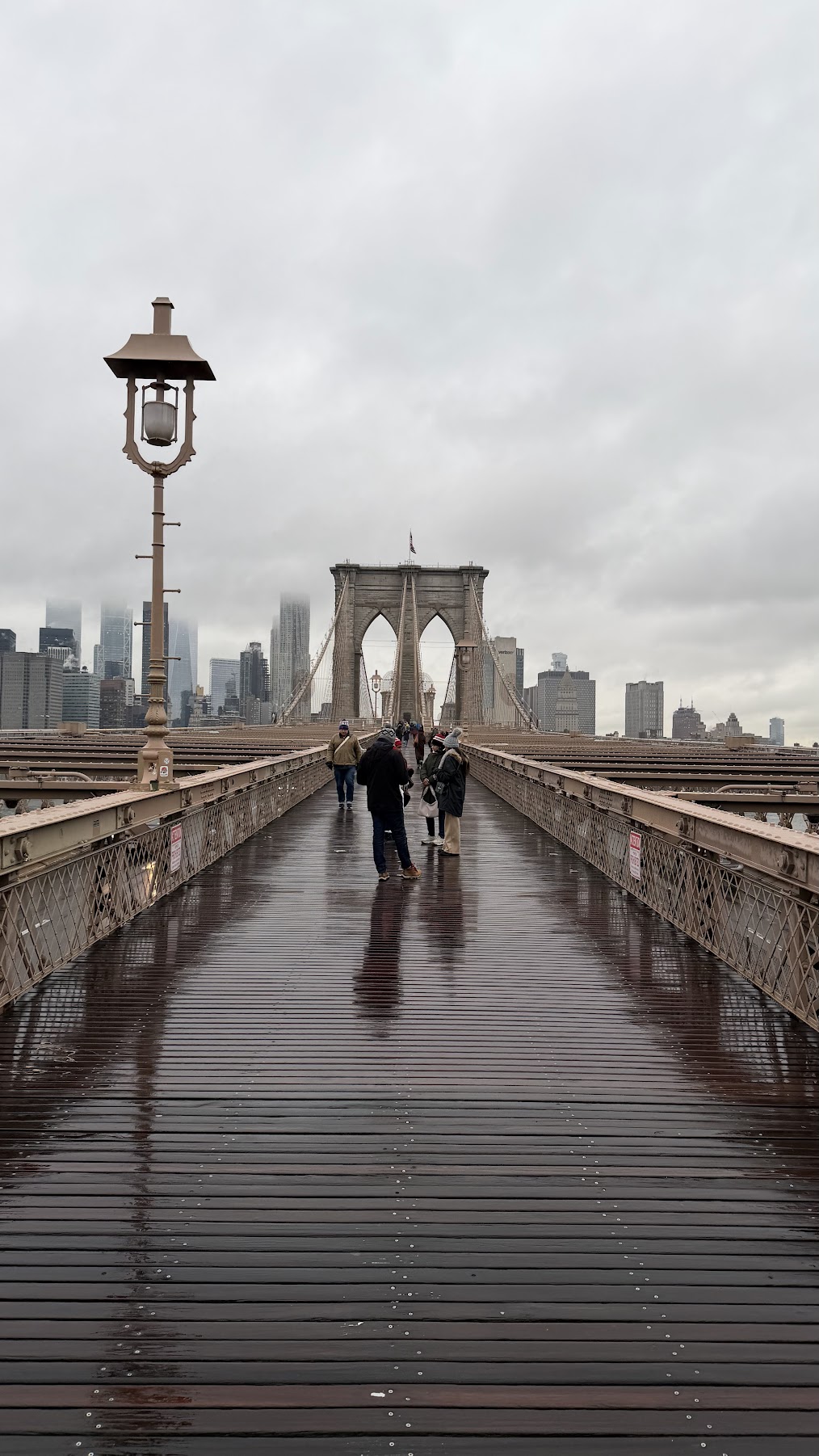
We then headed the other way to the Brooklyn Bridge. Start from the Brooklyn side if you can. Watching the Manhattan skyline come into view as you walk toward it is far more rewarding in that direction. The weather was grey and at one point it sleeted, which kept the crowds thinner than usual for the first half. By the time we reached the Manhattan side, the walkway had filled up again.
Food in New York
If there is one thing New York is genuinely excellent at across every price point, it is food. The city’s immigrant history shows up directly on its menus, and eating your way through different neighbourhoods is one of the more honest ways to understand what makes the place work.
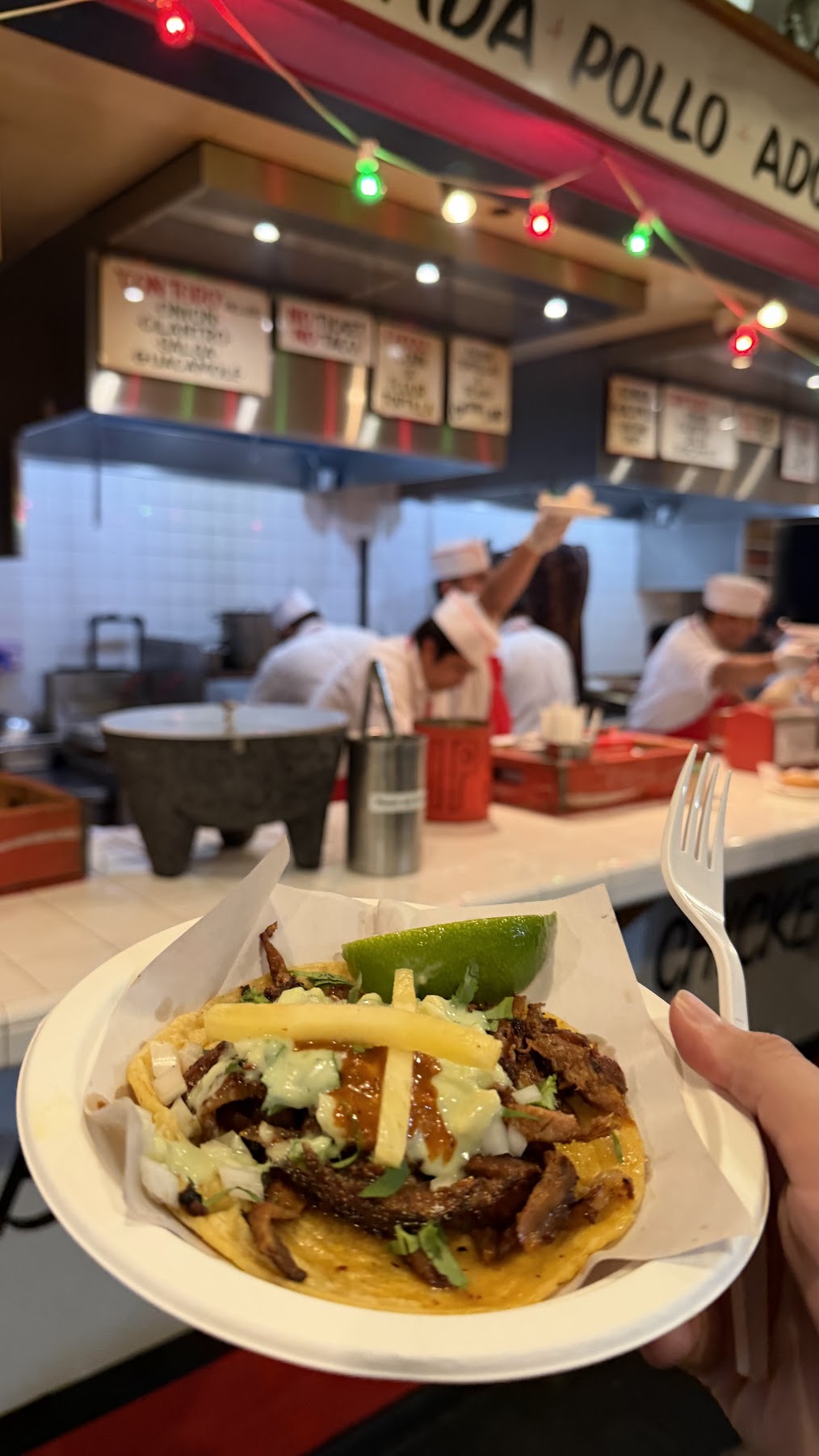
Our most memorable casual meal was at Los Tacos No. 1 in Chelsea Market. Counter service, short menu, cash only, line moves quickly. The tacos were excellent: properly charred tortillas, generous fillings, no fuss. The kind of place that succeeds by doing a few things well and not overcomplicating it.
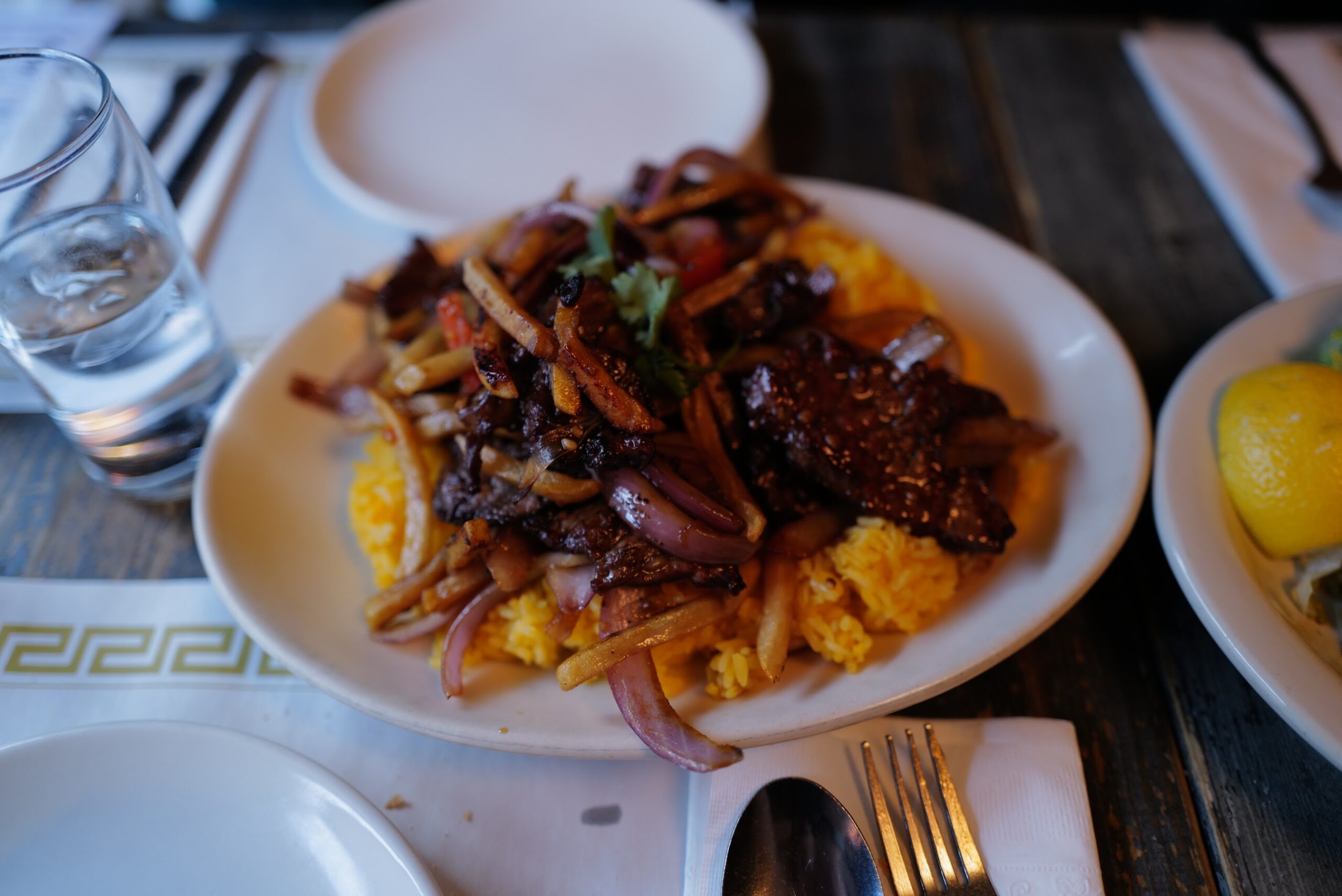
We also had a sit-down meal at Flor de Mayo, a Peruvian-Chinese restaurant on the Upper West Side that has been around for decades. I had not thought much about the combination before going in, but it turns out Peru has a significant Chinese immigrant community dating back to the 19th century, and the culinary influence runs deep enough that Peruvian-Chinese food, known locally as Chifa, is its own distinct cuisine in Peru.
The Lomo Saltado, a stir-fried beef dish with tomatoes, onions and fries served over rice, is itself a product of that fusion. The kind of neighbourhood spot that New York does quietly and without fanfare, and the kind of place you find yourself wanting to return to.
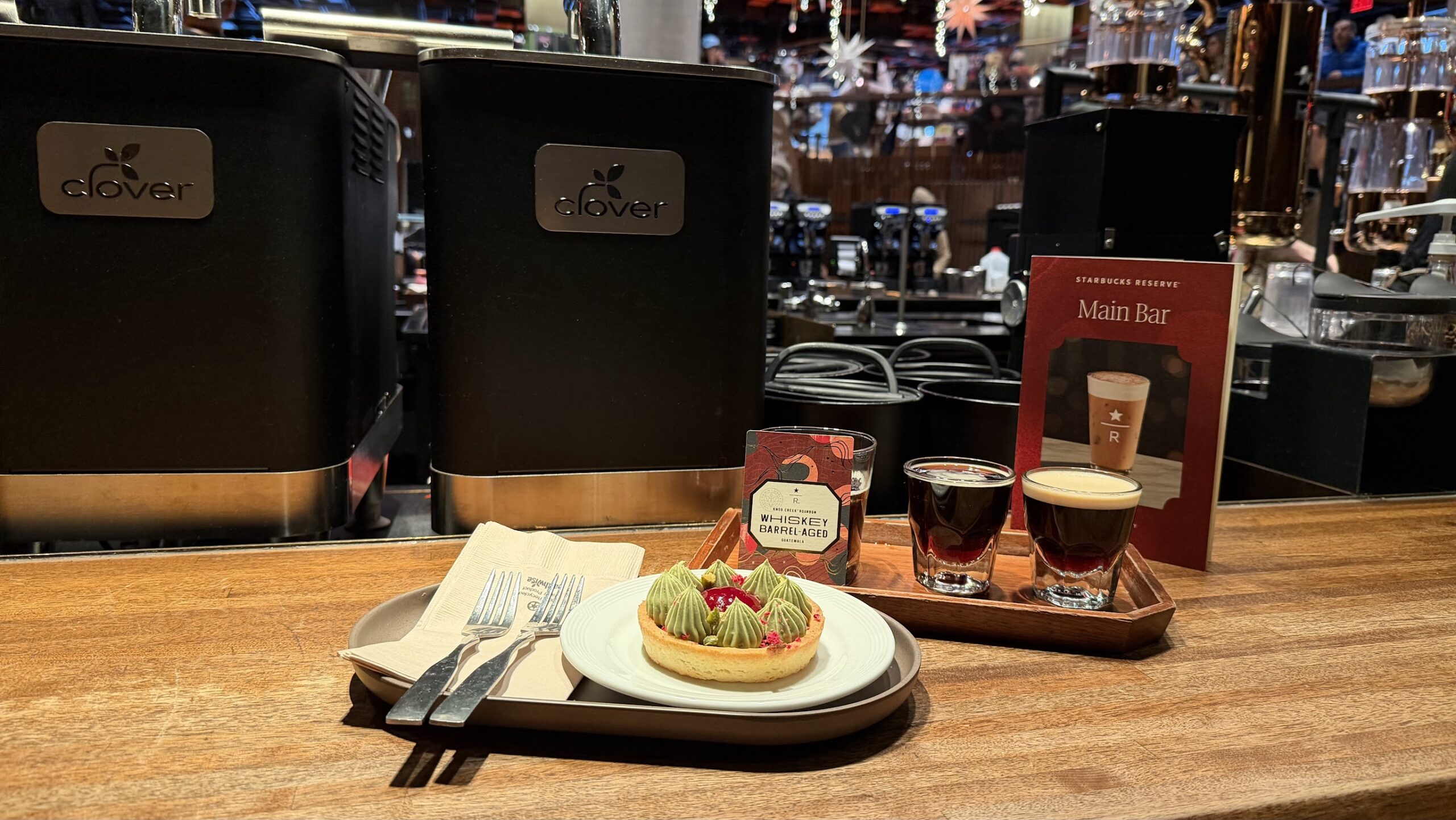
On the coffee side, we visited the Starbucks Reserve Roastery in the Meatpacking District and Conwell Coffee Hall.
The Reserve Roastery is more spectacle than cafe: copper tanks, multiple brew bars, very theatrical. Worth seeing, though the environment is the main draw more than the coffee itself.
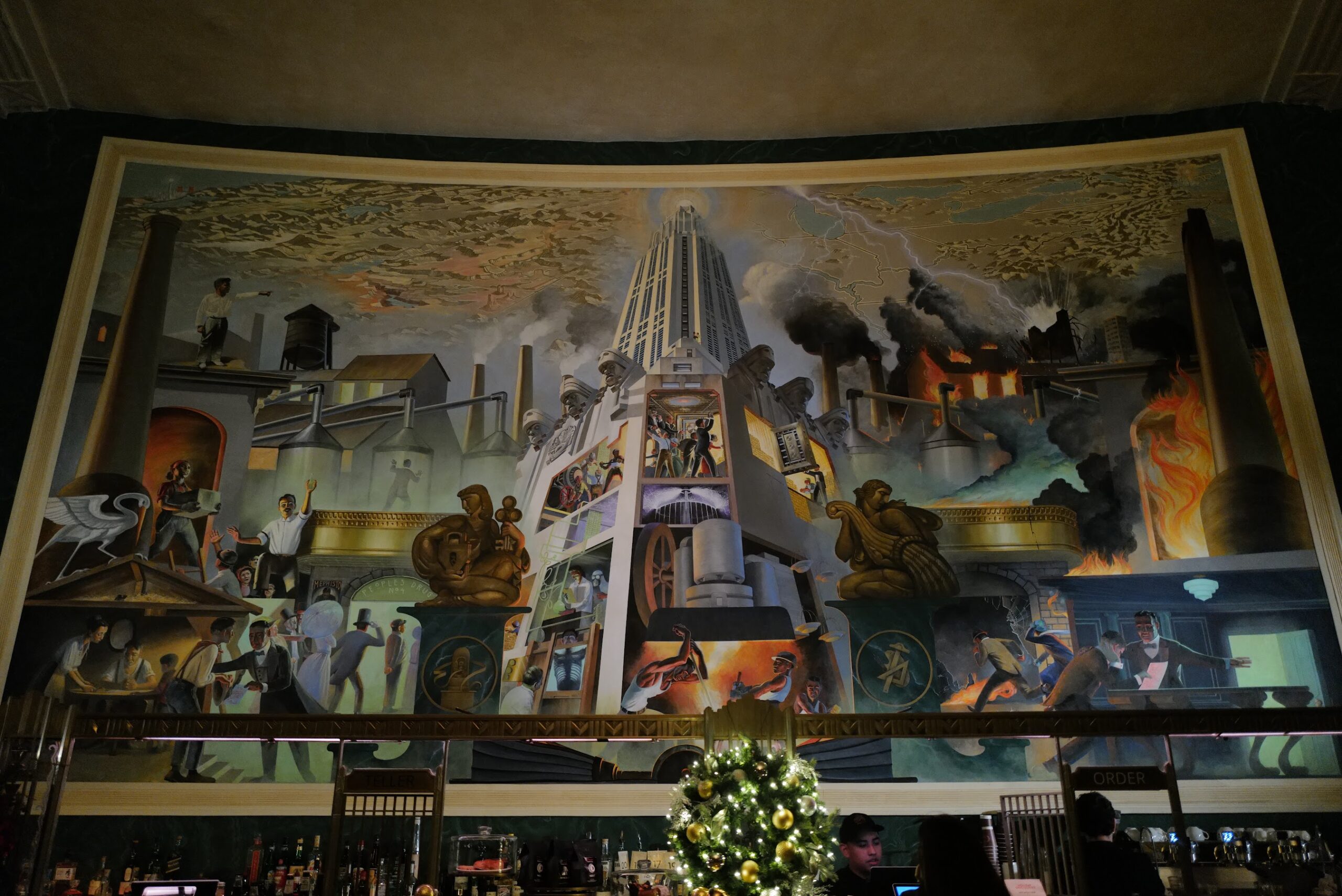
Conwell Coffee Hall is in the Financial District, and has a beautiful Art Deco interior with a large mural that makes it worth a visit on looks alone. Both are worth stopping by if you are in the area.
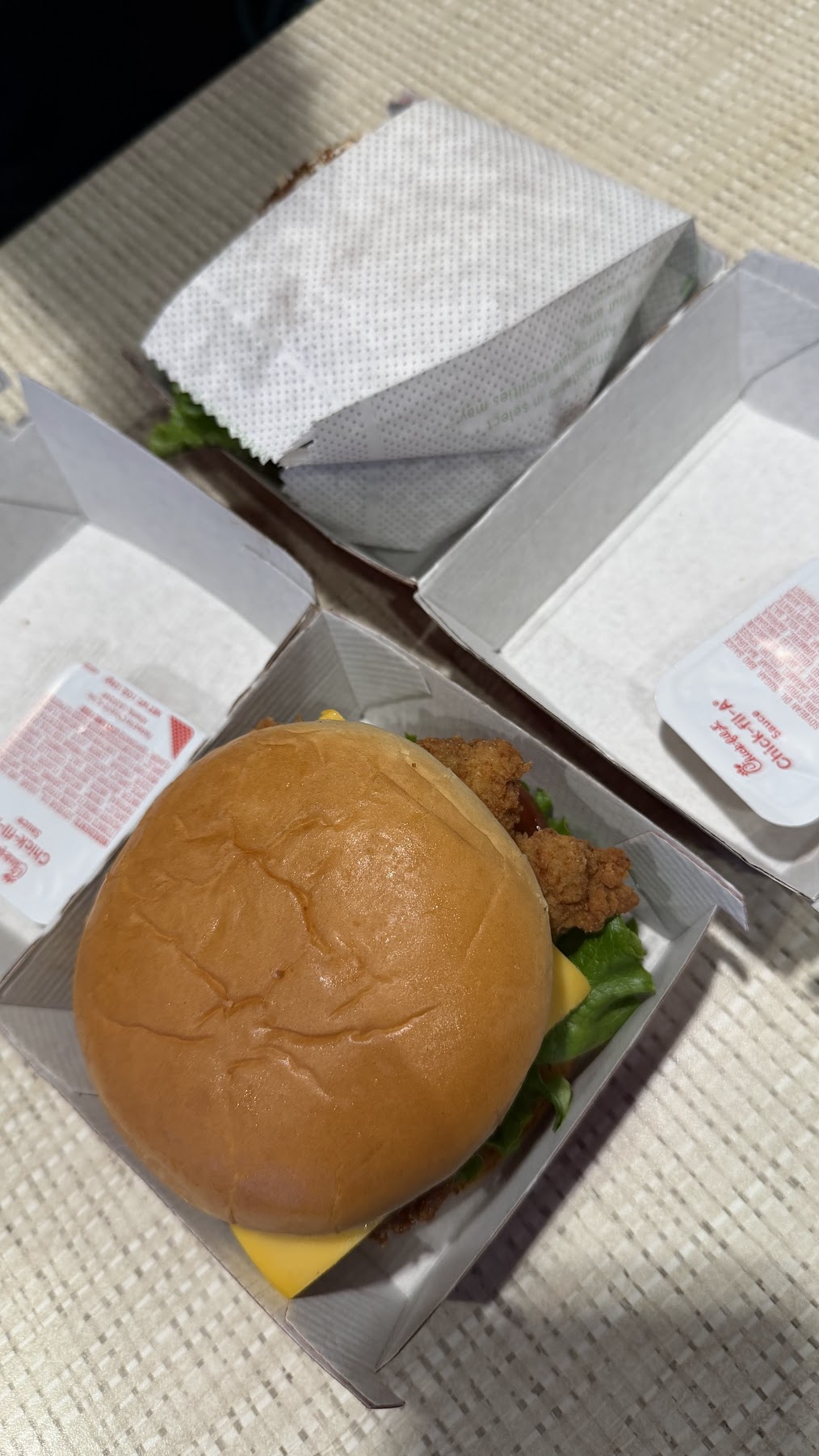
We also made a point of hitting Chick-fil-a, which only just opened recently in Singapore. No queue, reasonably priced, and the chicken sandwich was decent. Nothing life-changing, but good for what it is.
Reflections on New York
New York in late December is expensive, crowded, and cold. But the holiday atmosphere makes it easy to forget all of that.
Staying with a friend in Brooklyn changed the rhythm of the trip in ways I did not fully expect. Not having to worry about hotel costs in one of the most expensive cities in the world during its priciest season took the pressure off, and gave us room to notice the smaller things: a quiet moment in Bryant Park before sunset, the warmth of a diner after a long walk in the cold, the odd stillness of being on the bridge in the sleet with a thinning crowd.
We hit the major landmarks, caught two Broadway shows, ate well, walked much more than we planned, and still felt like we left things on the table. That is just New York. The city has a way of making you feel like you are always one more day short, no matter how long you stay.
For my partner, it was everything a first visit to New York should be. For me, it was a reminder that the city rewards coming back. There is always something you missed last time, and something familiar that feels slightly different now.
Next up, we squeezed in a day trip to Washington D.C., the nation’s capital, during our time in New York.