This is the fifth and final part of a five-part series from our December 2025 trip to the United States. After New York, Washington D.C., Las Vegas, and the Pacific Coast Highway from Los Angeles to Monterey, this last leg takes us inland to Yosemite National Park and then north to San Francisco to close out the trip.
Prologue
Disneyland had been on the table at one point, though it did not last too long. December pricing for the park was, frankly, absurd. Close to US$200 per person, on top of what is already a full day of queuing for rides that last a few minutes each. For two people who had already crossed the country and were into the final stretch of a long trip, it did not feel like the right trade-off.
Yosemite, on the other hand, was a trip I had wanted to make again ever since my first visit in May 2022. The views had stayed with me. My partner had never been. That made the decision easy.
The drive to Yosemite
After Bixby Bridge, we headed northwest along Highway 1 and then cut inland through a series of highways. The transition from coast to Central Valley is abrupt. One moment you are on a cliff road above the Pacific, and the next you are on a flat stretch with almost no visibility.
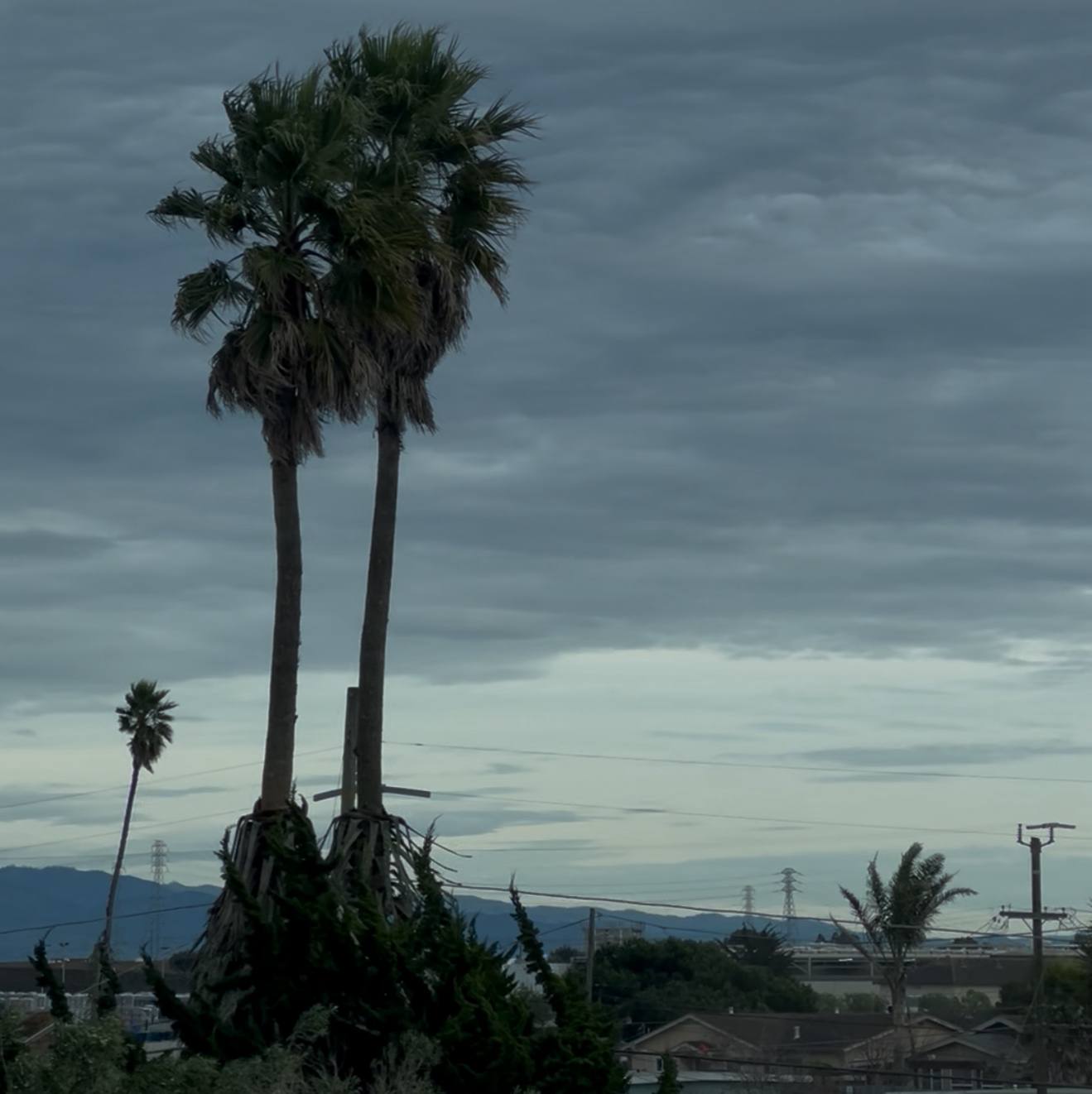
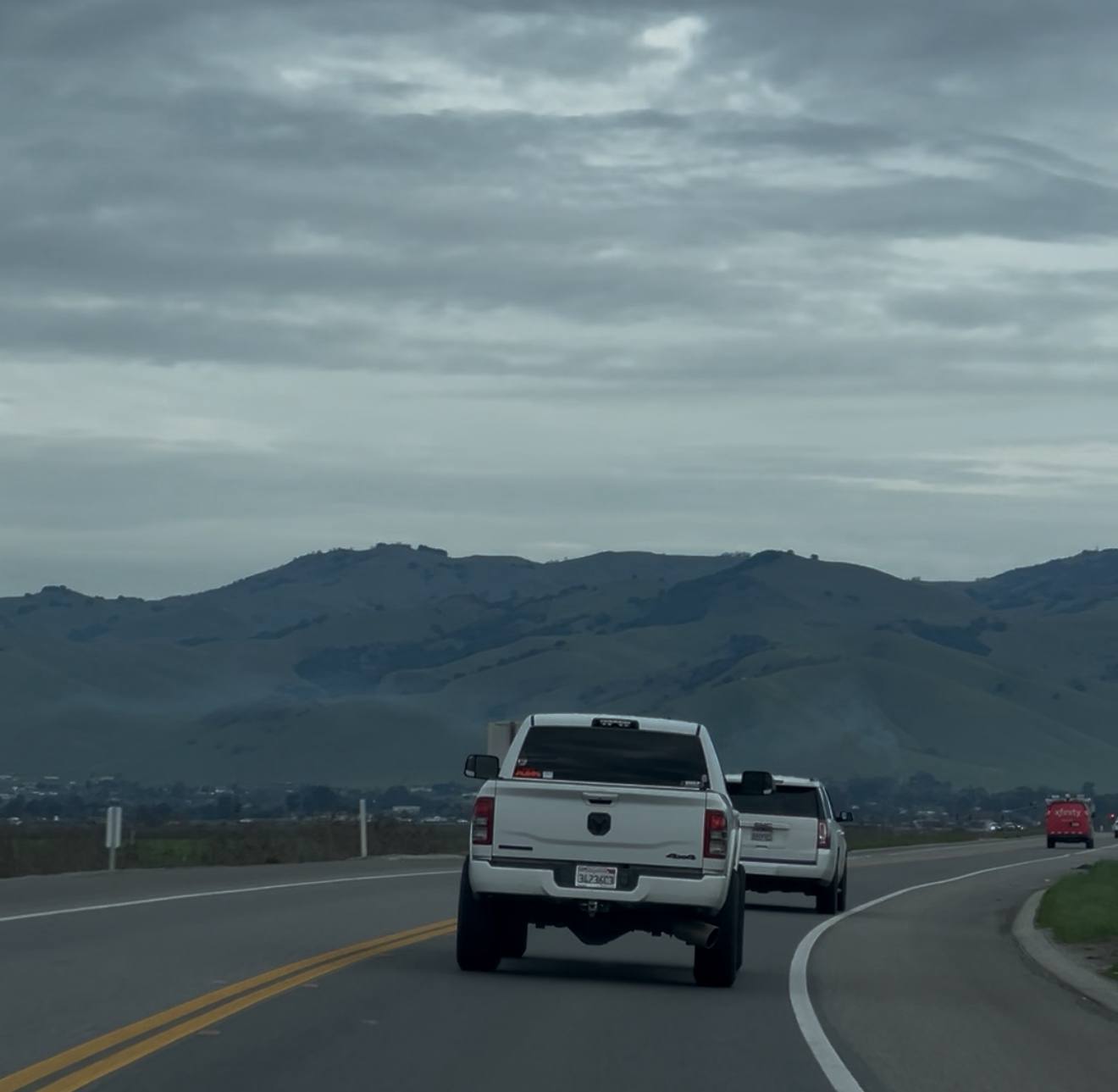
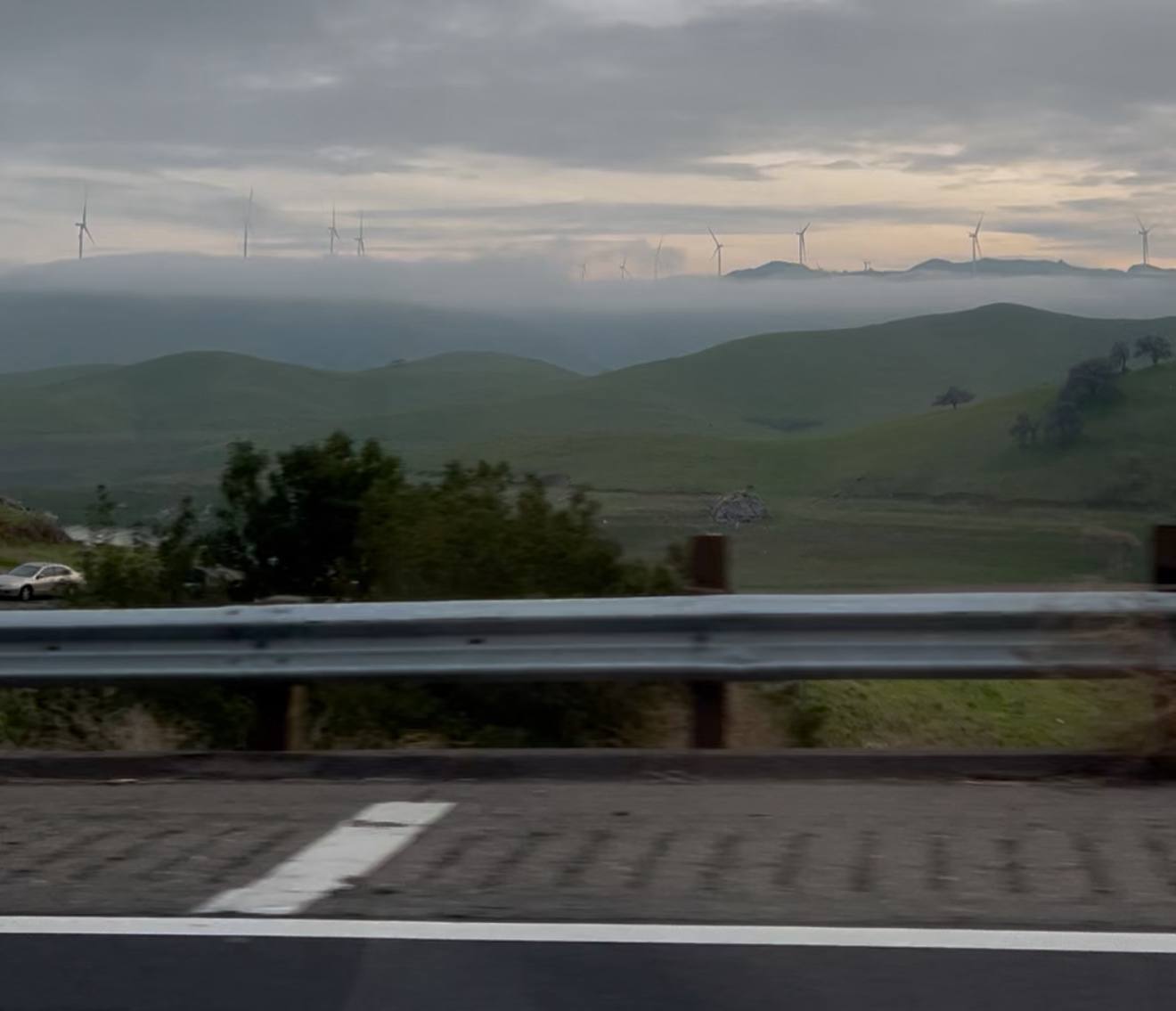
Highway 152, the highway toward San Luis Reservoir, was wrapped in dense fog. Thick enough to slow traffic significantly, and thick enough to make the reservoir itself almost invisible from the road. We later learned this is not unusual. The Central Valley is prone to what locals call Tule fog, a ground-level fog that can drop visibility to near zero in winter. It is one of the more hazardous weather conditions in California, and driving through it for the first time is unsettling.
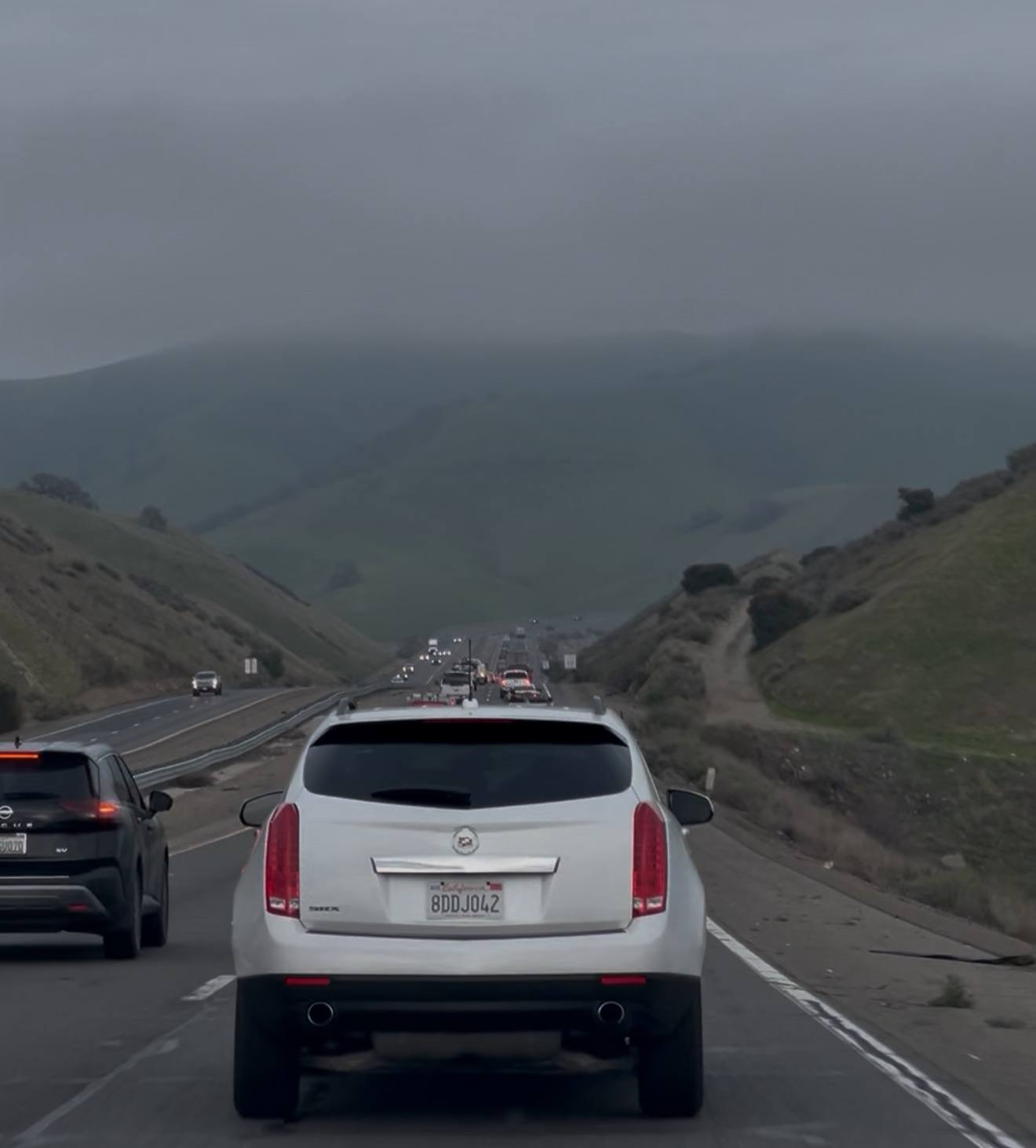
We stopped in Los Banos at a Walmart to pick up compressed firewood for AutoCamp. Los Banos was similarly foggy, in that specific Central Valley way where the sky disappears entirely and everything feels slightly eerie.
From there, we made a fuel stop at the Costco in Merced. If you are driving in the US, Costco fuel is reliably cheaper than the surrounding gas stations and always worth the detour. We then drove towards Mariposa and finally to AutoCamp.
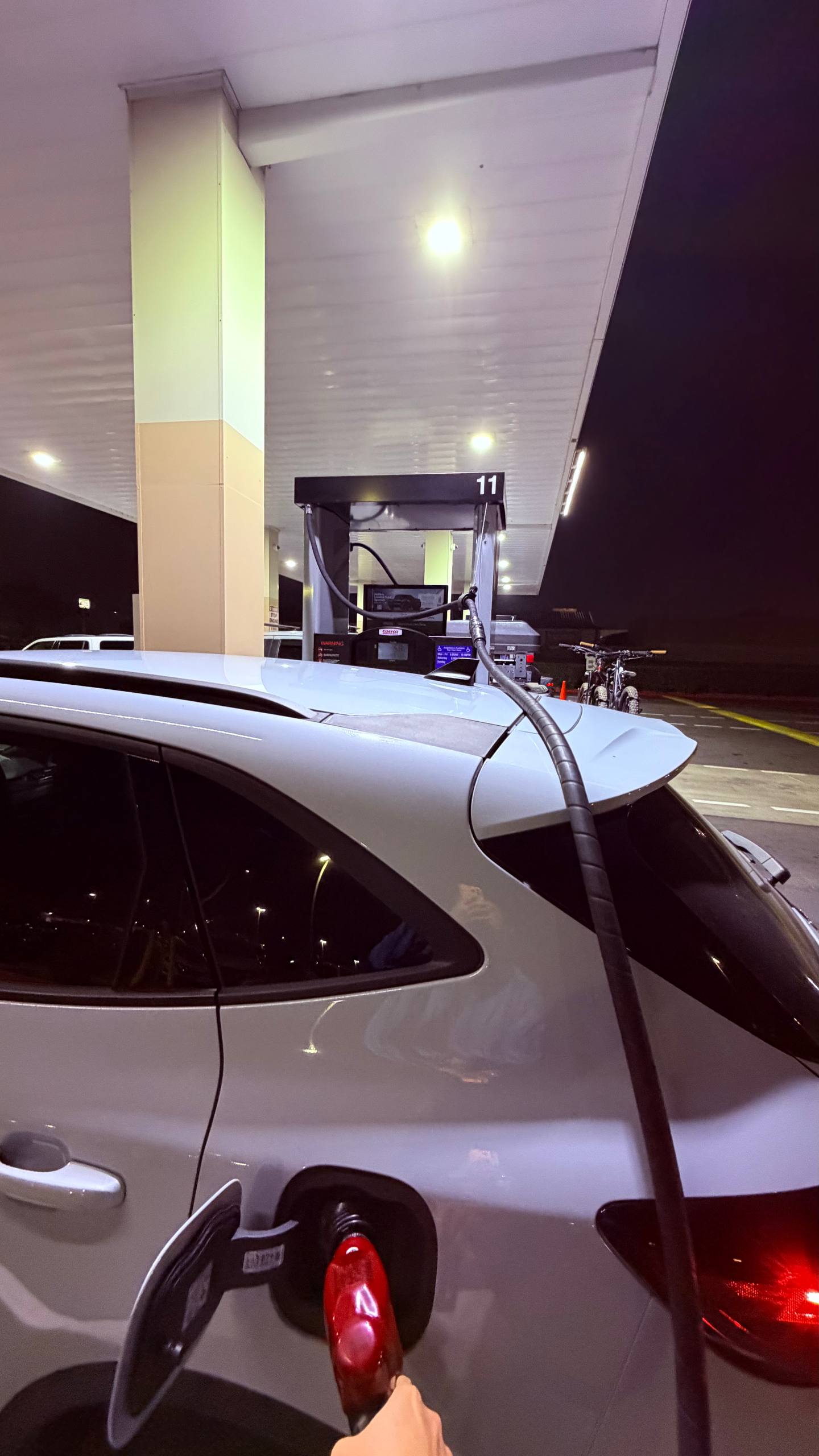
It was already dark by the time we arrived. We settled in and called it a night.
AutoCamp Yosemite
AutoCamp deserves its own mention. The concept is simple: Airstream trailers set up as proper accommodation in a camp setting. Ours was comfortable, well-heated, and had everything we needed. We have previously written a full review which you can check out.
Two days in Yosemite National Park
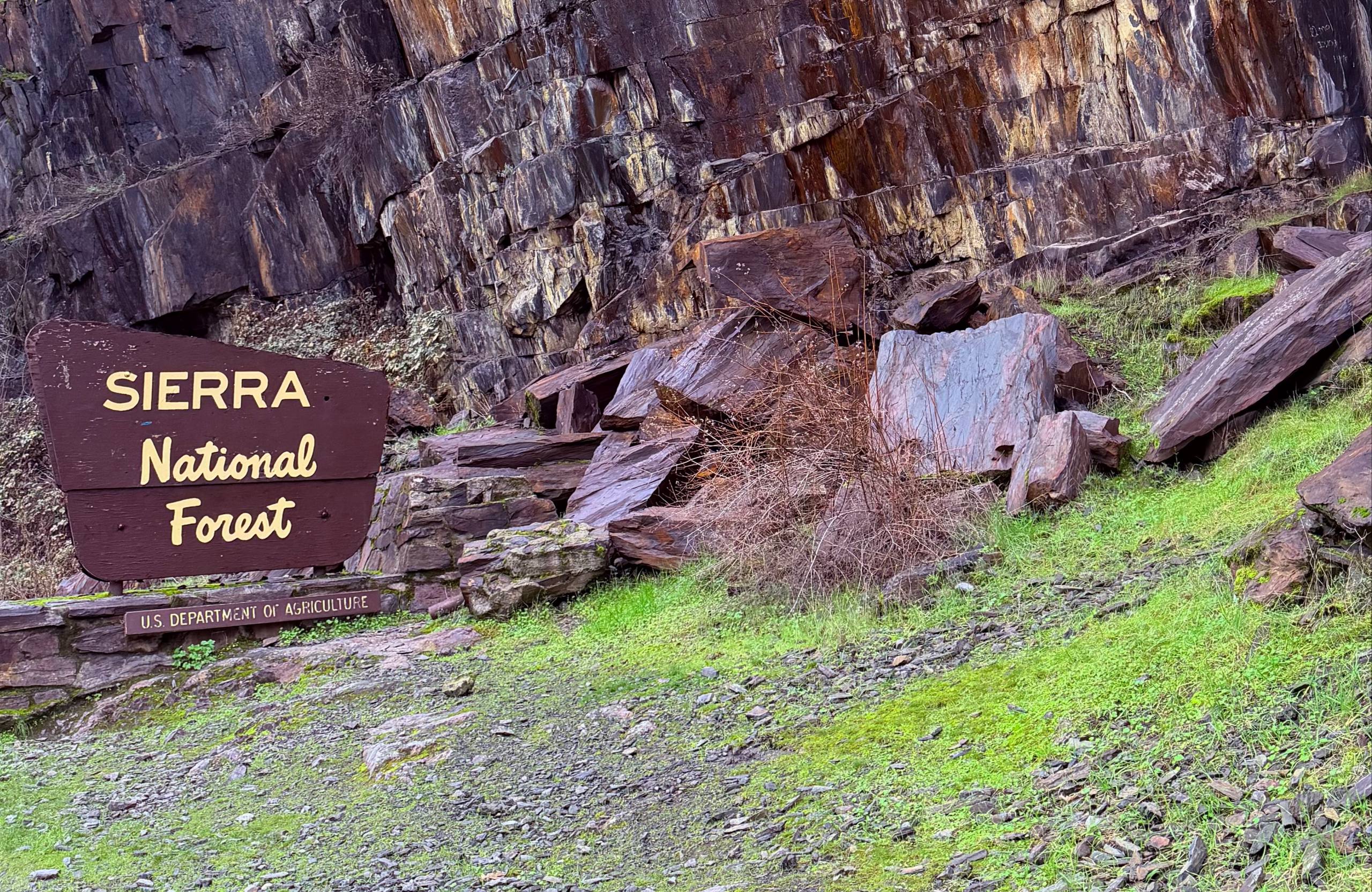
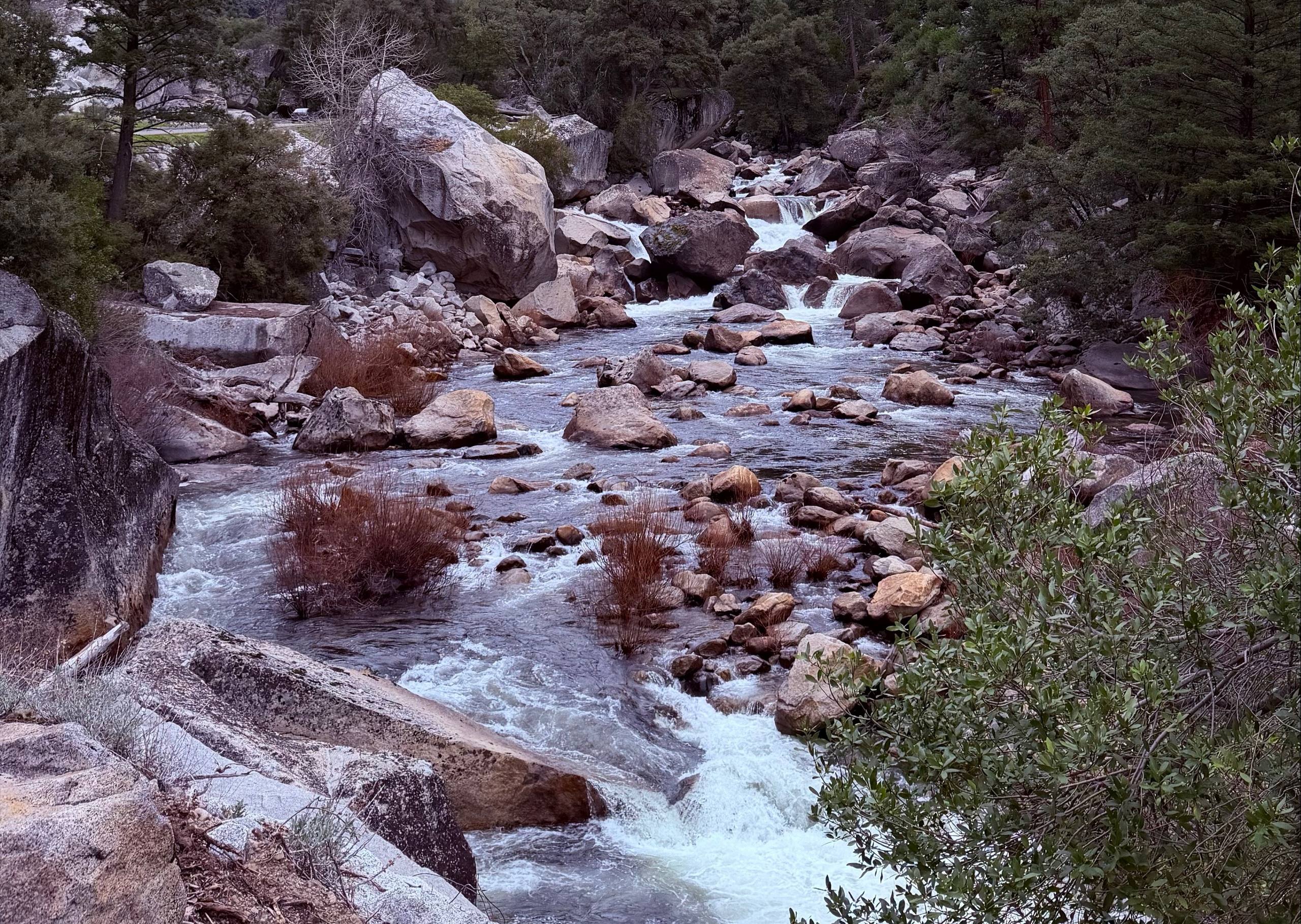
The next morning, we drove toward Yosemite along CA-140, following the Merced River for much of the route. The road passes through the Sierra National Forest, and along the way we noticed a number of uprooted trees lining the riverbanks, a reminder of how powerful the water flow can get during the wet season.
We reached the Arch Rock Entrance, and from there, it hits you almost immediately.
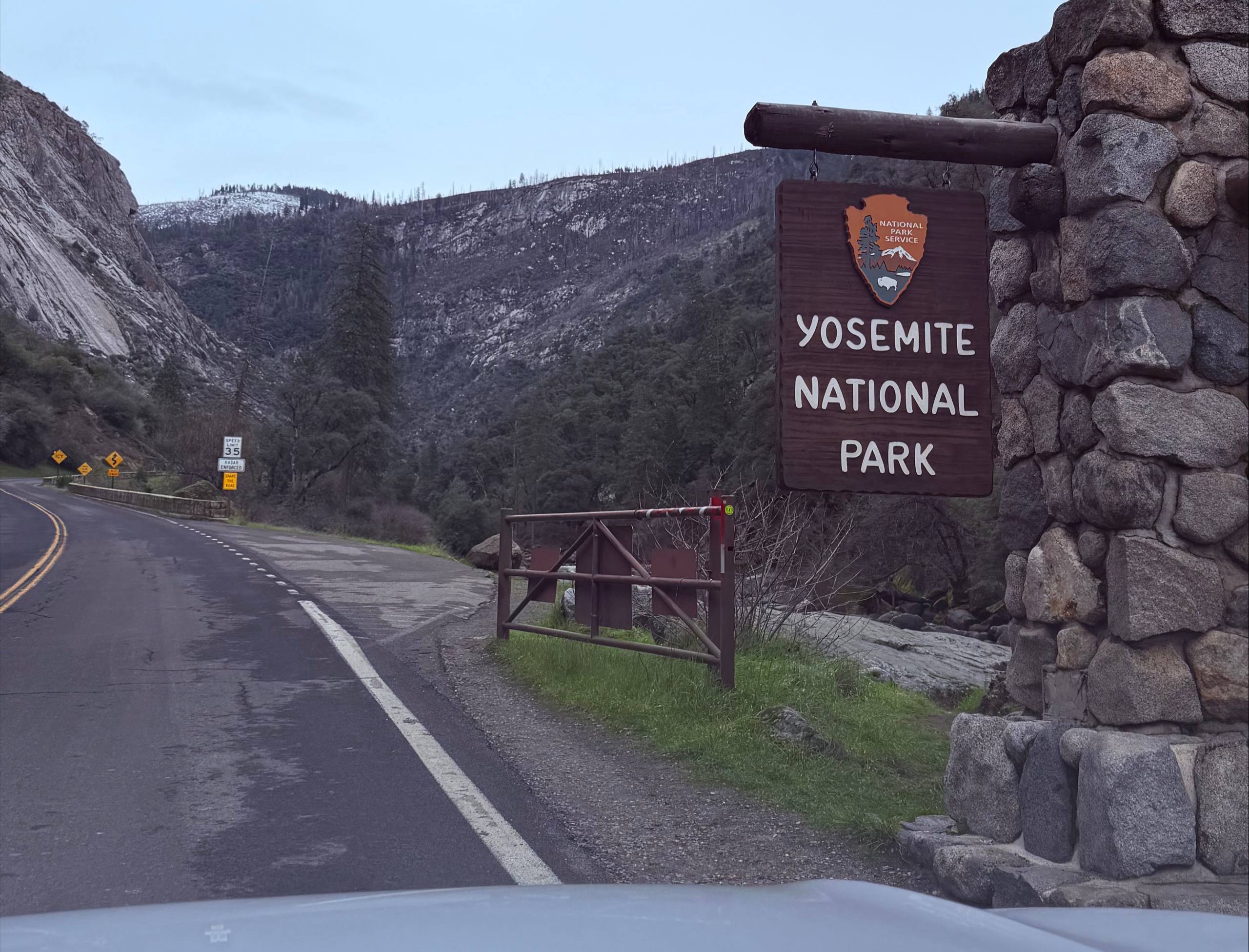
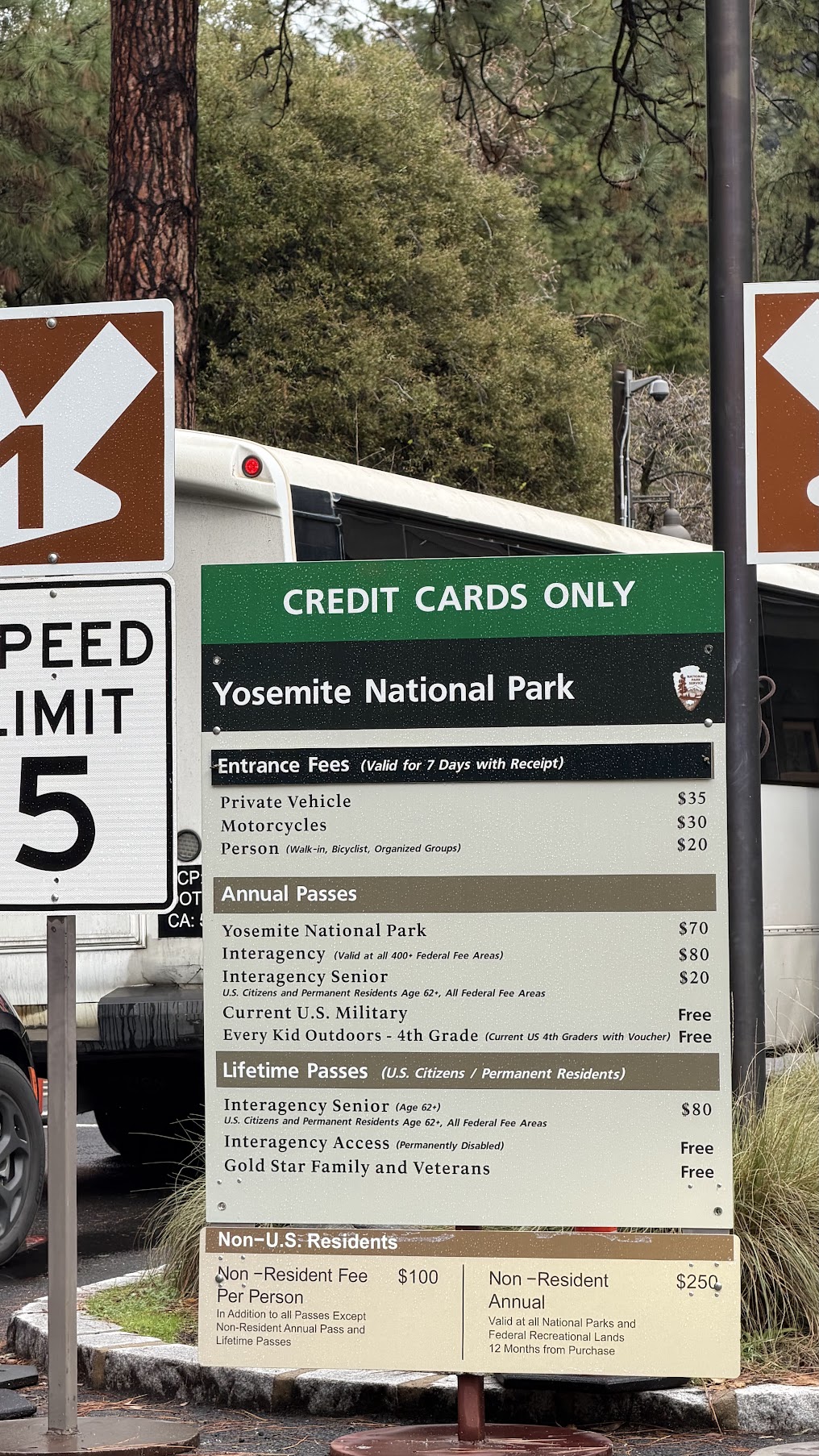
The Arch Rock Entrance is named after the large granite boulders that form a natural archway over the road as you drive through. It is a fitting way to enter the park. We stopped at the NPS guard house and paid US$35 for the standard vehicle entry fee, which covers seven consecutive days.
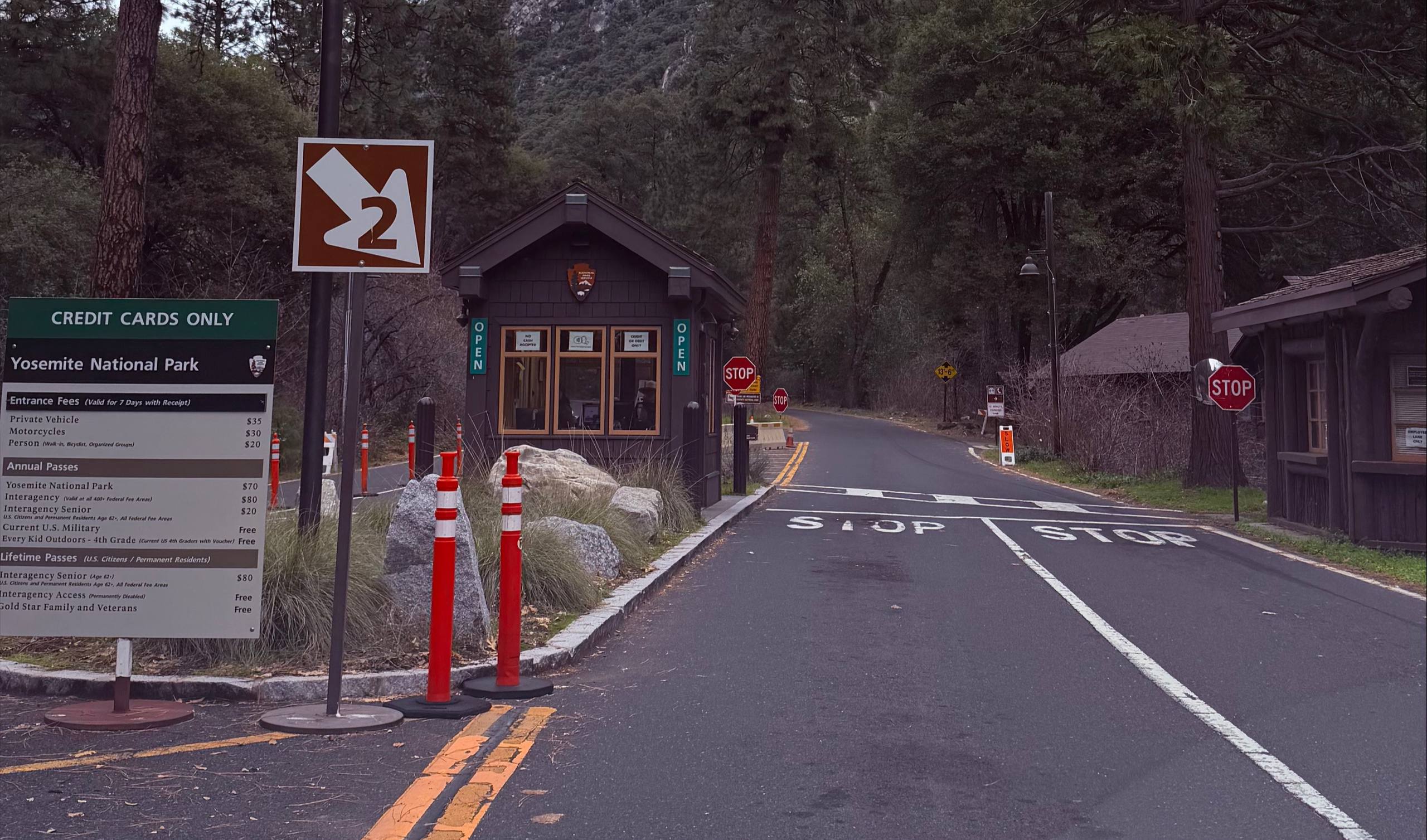
From there, the road continues to follow the Merced River into the valley, and the scale of the granite walls starts to build on either side.
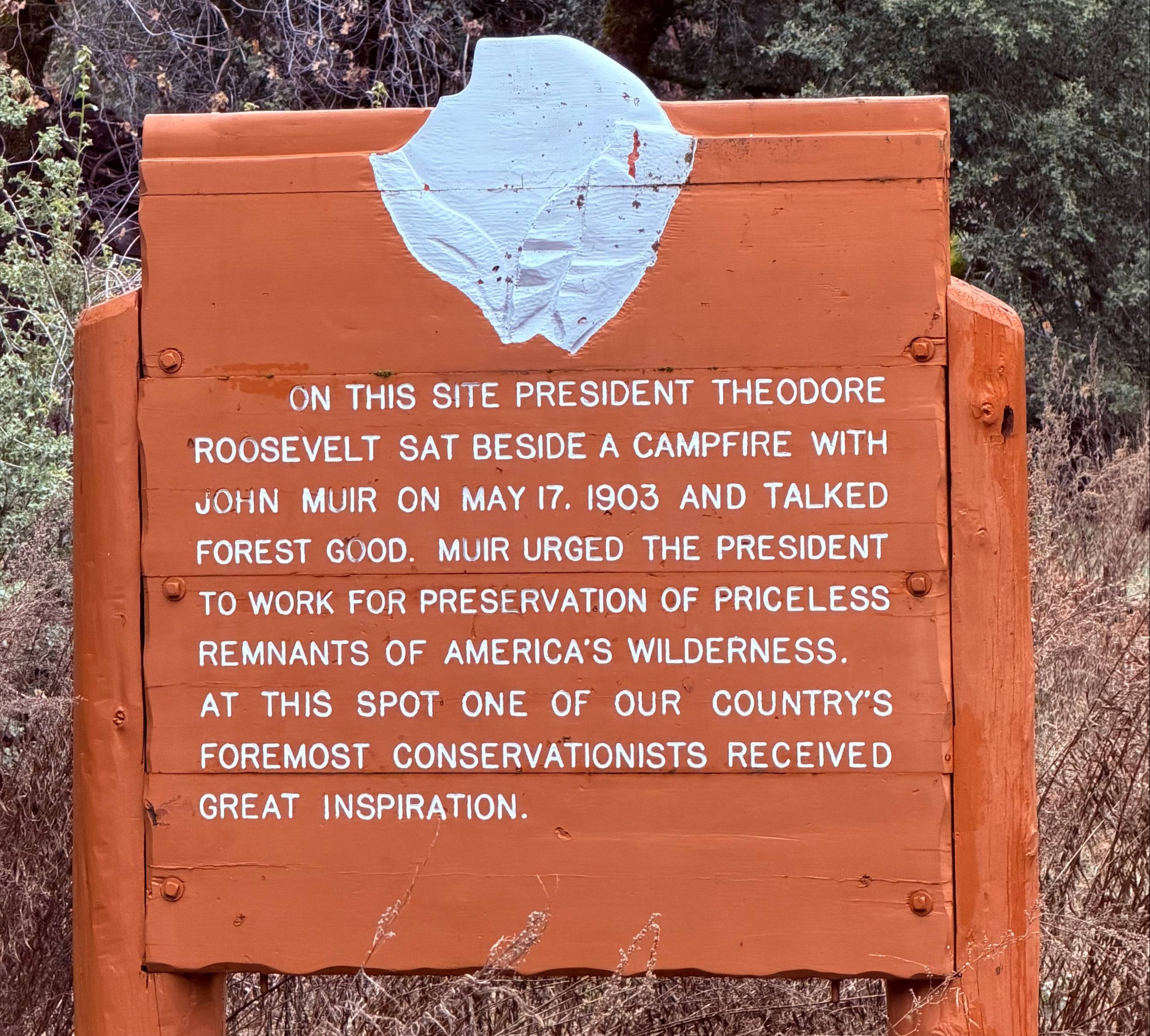
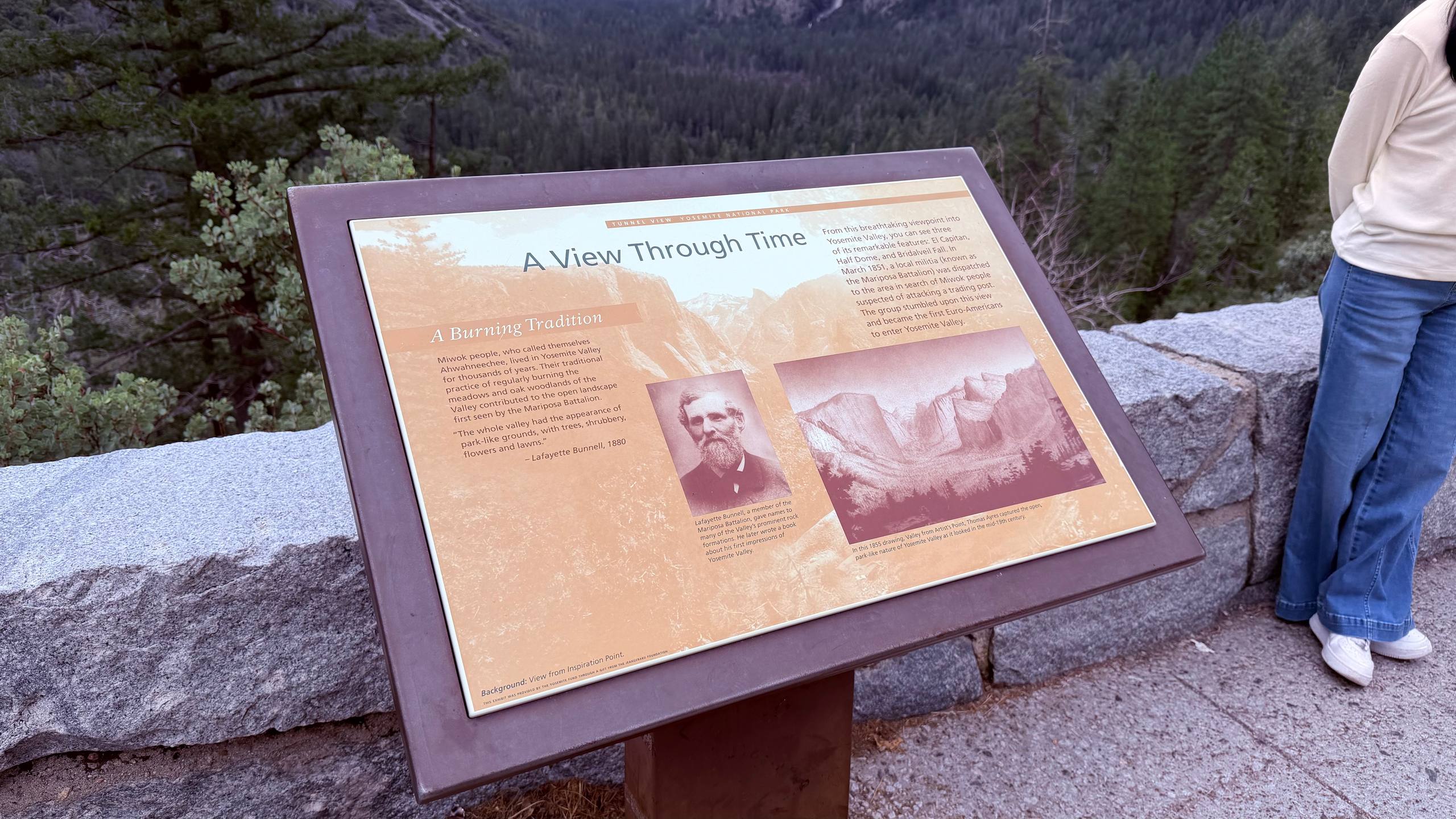
Along Southside Drive, there is a sign marking the history of Yosemite’s conservation. John Muir, the Scottish-born naturalist often called the Father of the National Parks, spent years advocating for the protection of Yosemite’s wilderness. In 1903, he famously took President Theodore Roosevelt on a three-day camping trip through the valley.
The two camped at Glacier Point under the open sky, and the experience left a lasting impression on Roosevelt. He went on to sign legislation that brought Yosemite Valley under federal protection as part of the national park, and over his presidency established five more national parks, 18 national monuments, and over 150 national forests.
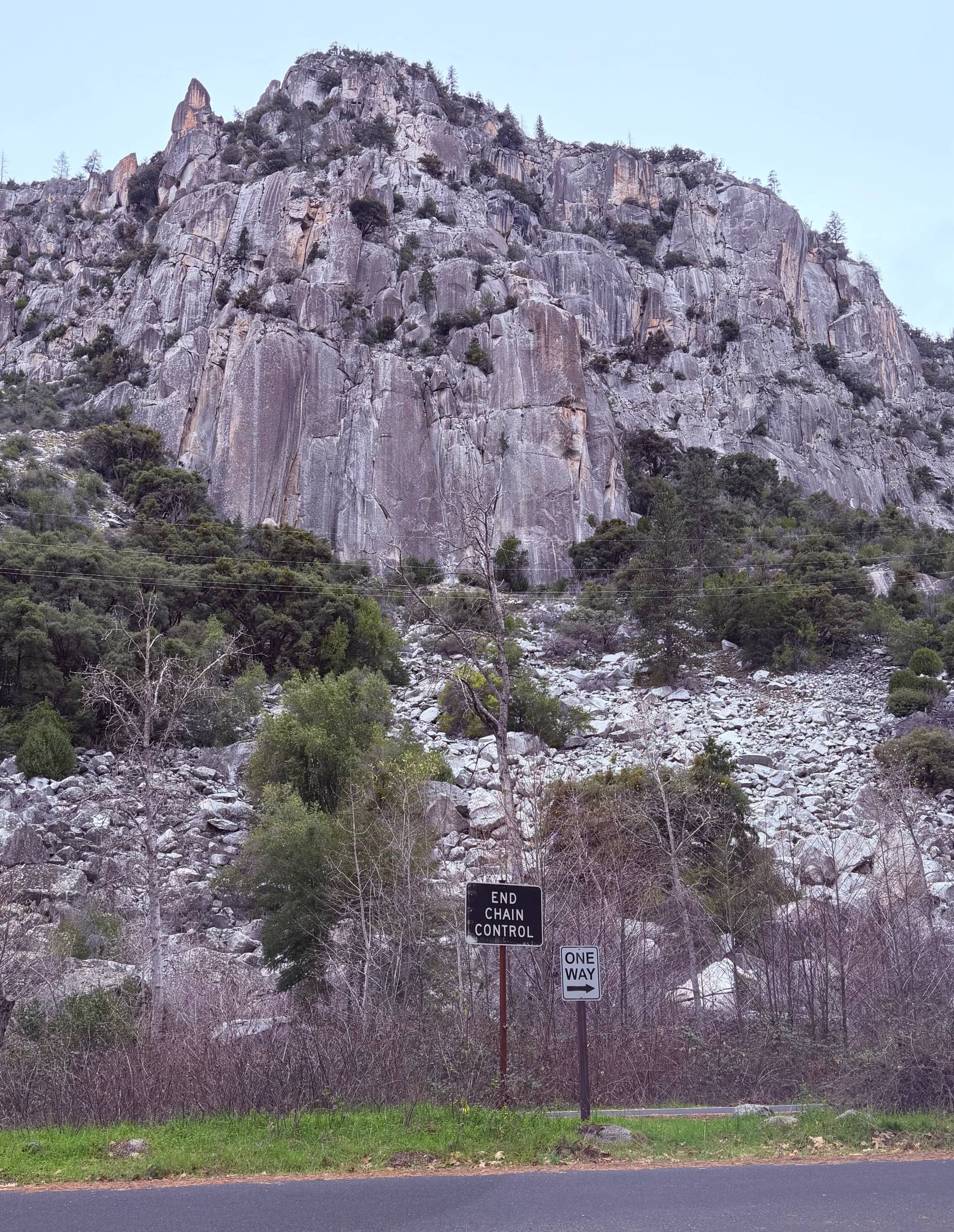
We then drove along Wawona Road to the Tunnel View.
Tunnel View
Tunnel View is arguably the most iconic viewpoint in Yosemite. You emerge from the Wawona Tunnel and the entire valley opens up in front of you: El Capitan on the left, Bridalveil Fall on the right, and Half Dome framed in the centre.
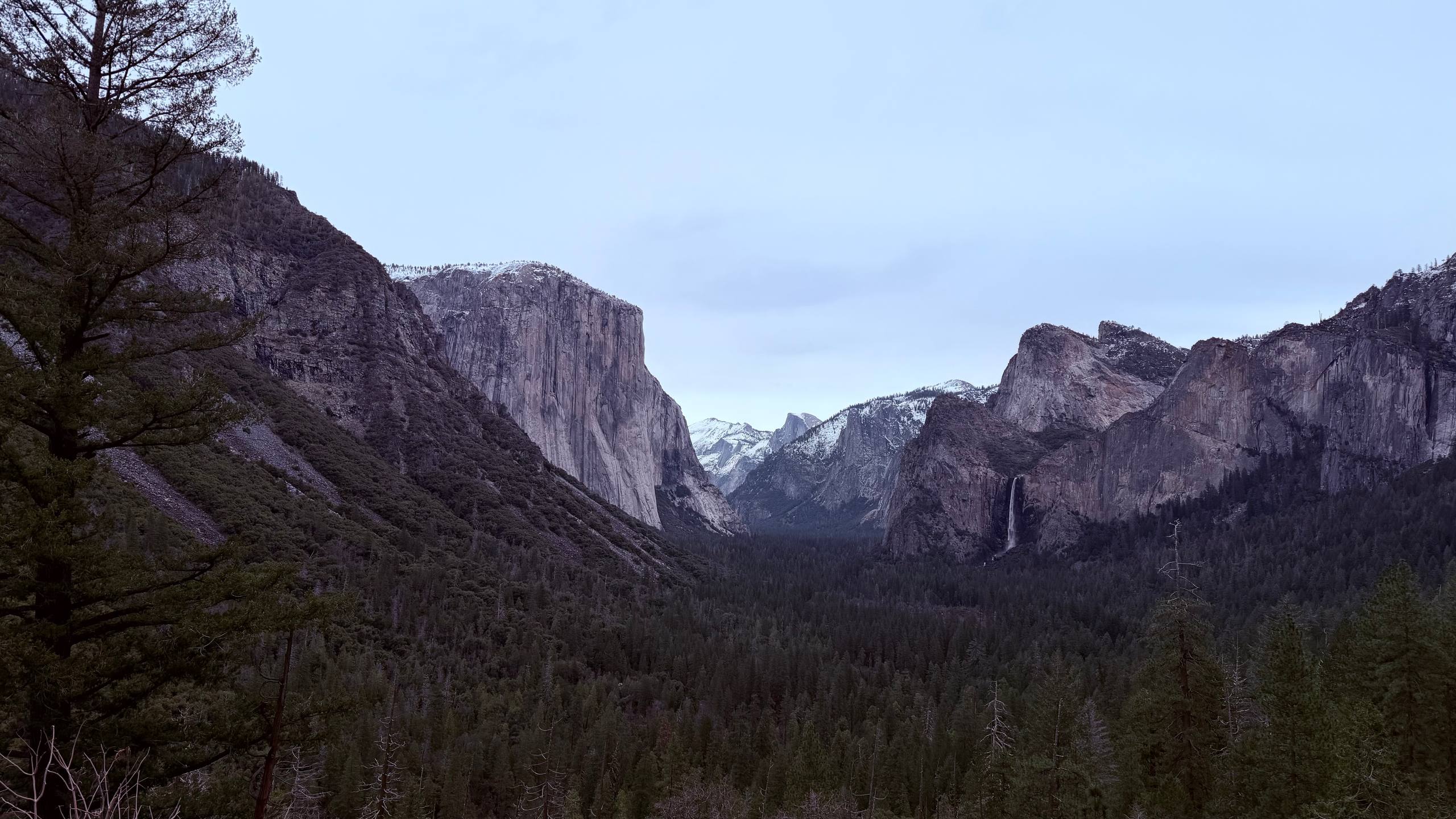
It is the shot you have seen on every postcard and screensaver, and it somehow still takes your breath away in person. We only stopped here once, but it is easy to imagine it looking completely different depending on the season, the light, and the cloud cover.
El Capitan and Bridalveil Fall
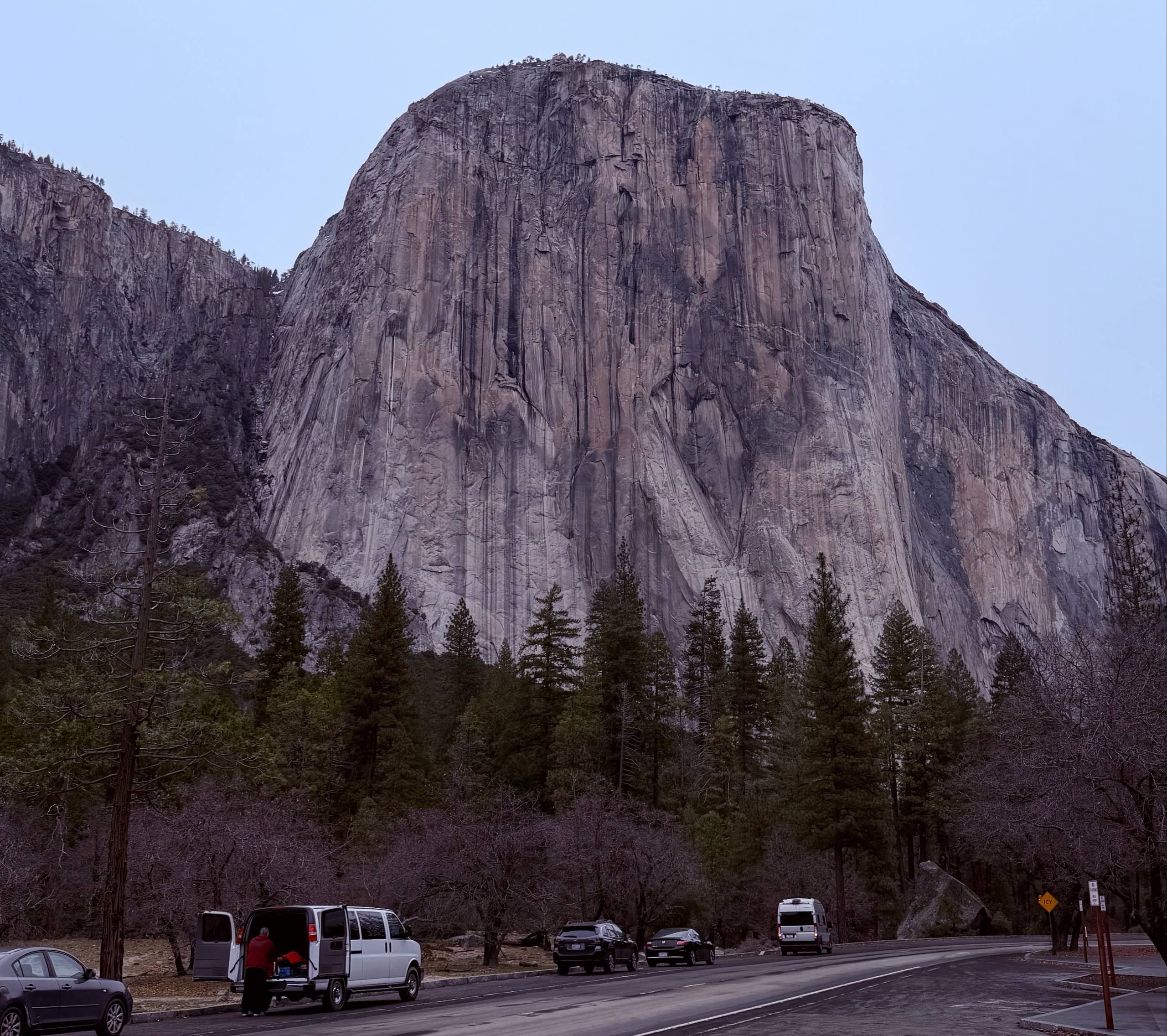
El Capitan was not in climbing season during our visit. When I came in May 2022, there were a handful of climbers visible on the face, tiny dots hundreds of metres up the granite. In December, the wall was quiet. Still impressive at any season, but if you want to watch climbers, aim for spring or summer.
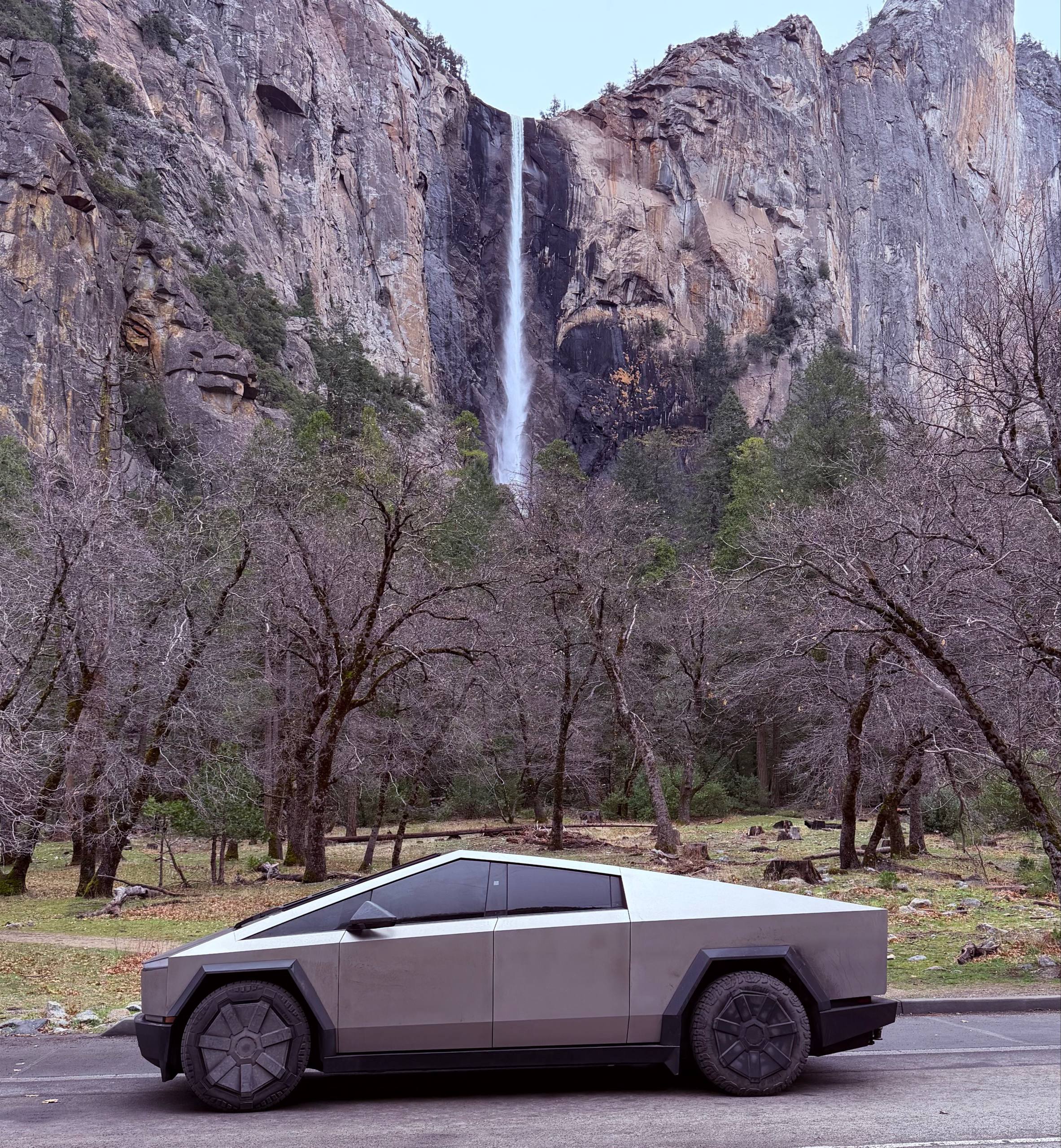
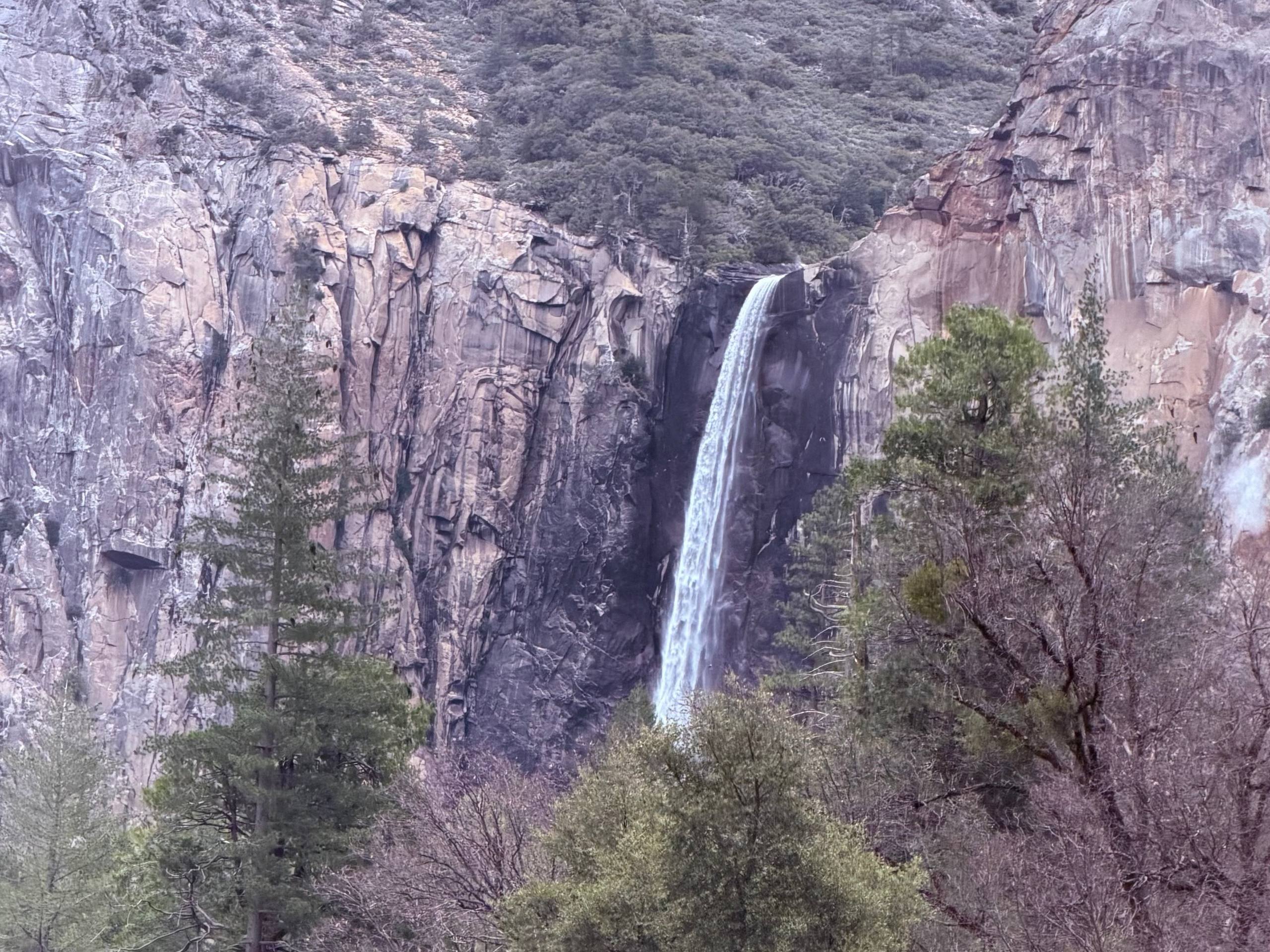
Bridalveil Fall is nearby, just a short walk from the same area. It is one of the first waterfalls you encounter in the valley and flows year-round, though the volume varies significantly by season.
Swinging Bridge
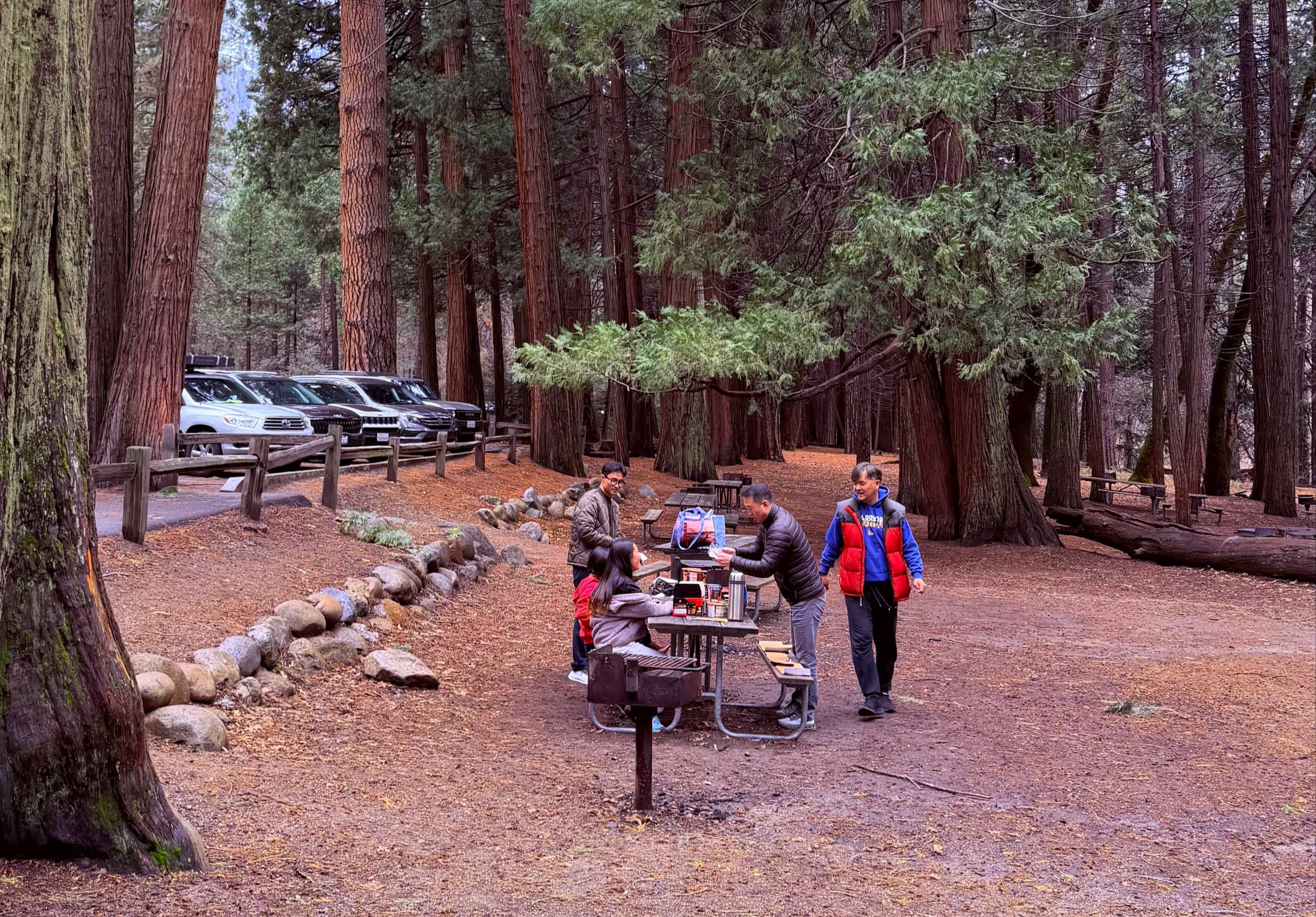
We also drove past the Swinging Bridge Picnic Area, where visitors were having lunch by the river even in late December. There are quite a few picnic spots scattered around the valley floor, and it seems like the cold does not deter anyone. If you bring your own food, it is a perfectly good way to spend a midday break without queuing at the village.
Yosemite Valley Welcome Center
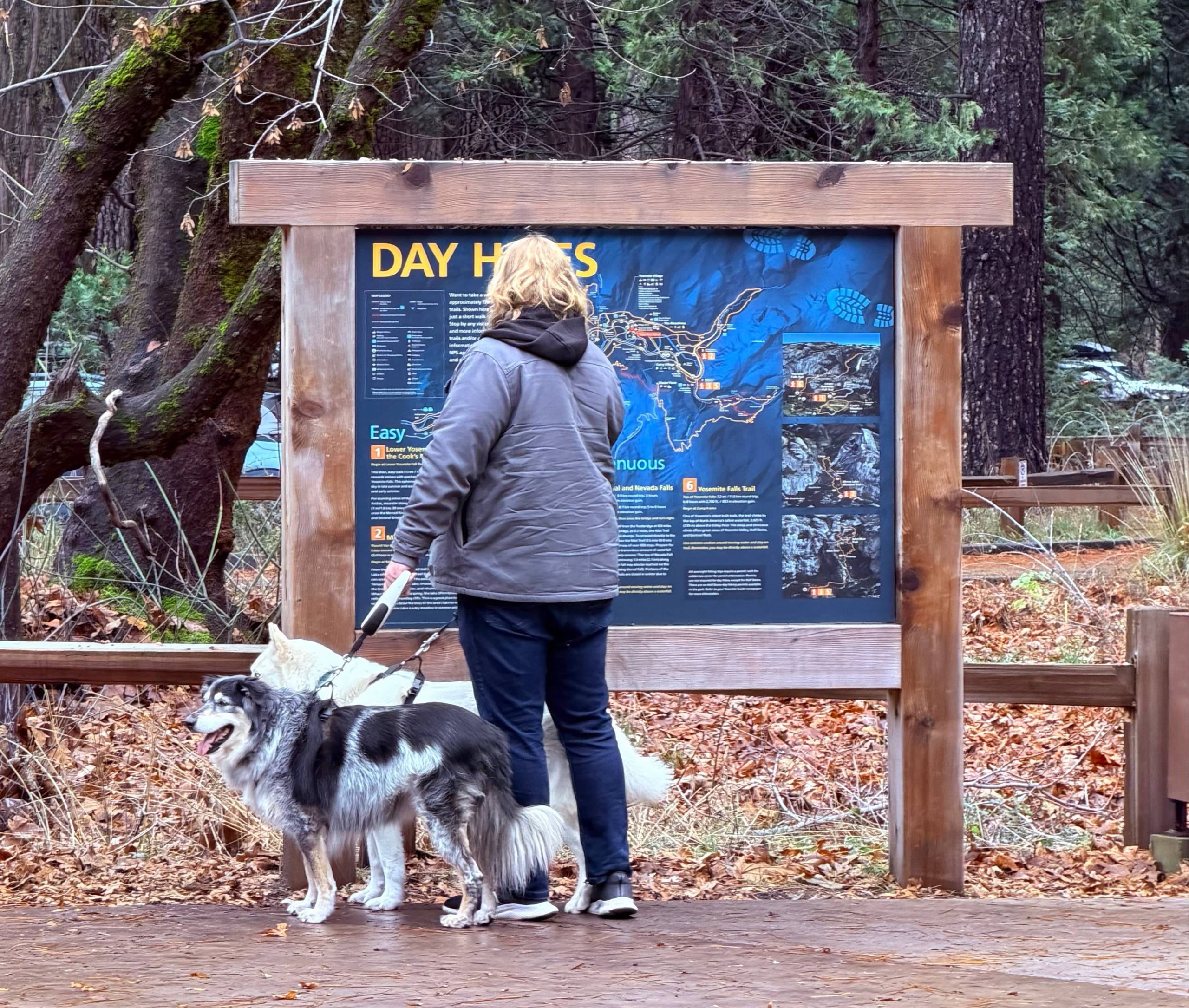
We then headed to the Yosemite Valley Welcome Center. It is a cute setup inside, with exhibits on the park’s history and wildlife. There is also a stamp with the day’s date for the National Park Service Junior Rangers programme, which we stamped on our visitor map as a keepsake.
Most visitors park at the Yosemite Valley Welcome Center and take the free shuttle bus from here to get around the valley. If you are not staying at one of the lodges or campgrounds within the valley, this is essentially the only place you can park. The shuttle system is well run and covers all the main stops, so it works out fine. Just arrive early during peak periods as the car park fills up quickly.
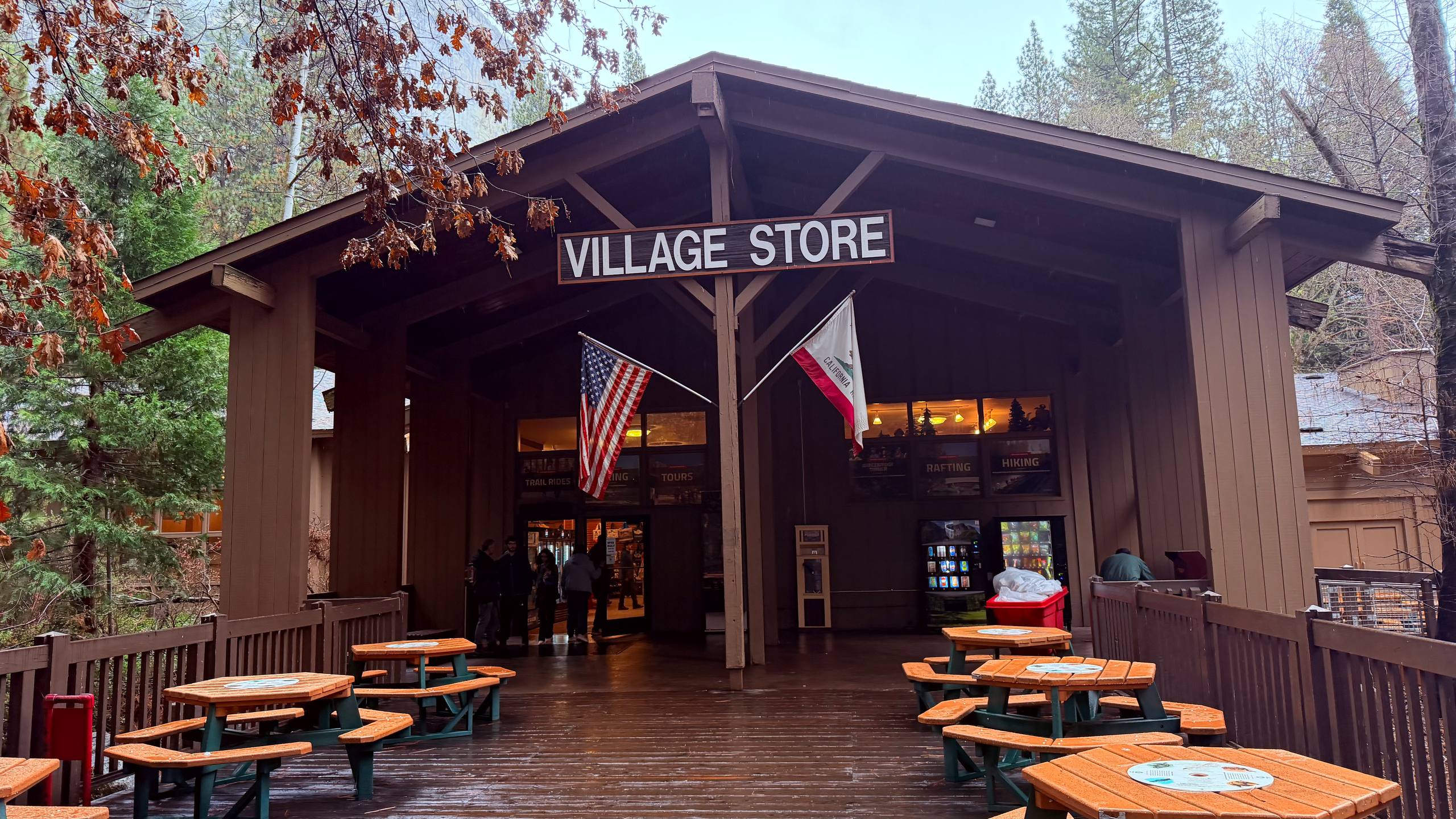
The Yosemite Village Store is nearby and has a decent range of supplies, from groceries to camping essentials. Prices are noticeably higher than outside the park though, so stock up beforehand if you can.
Yosemite Valley Lodge
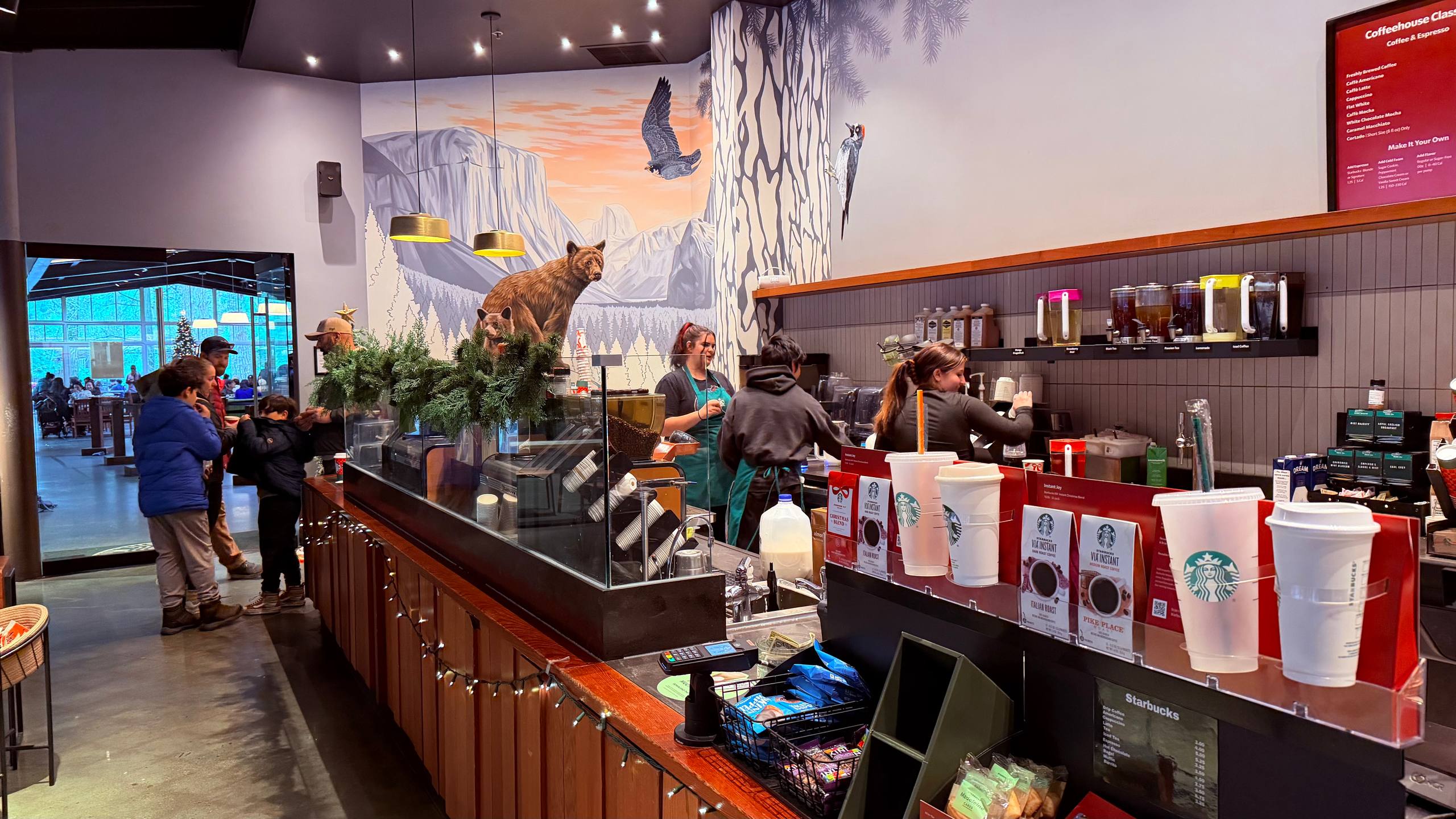
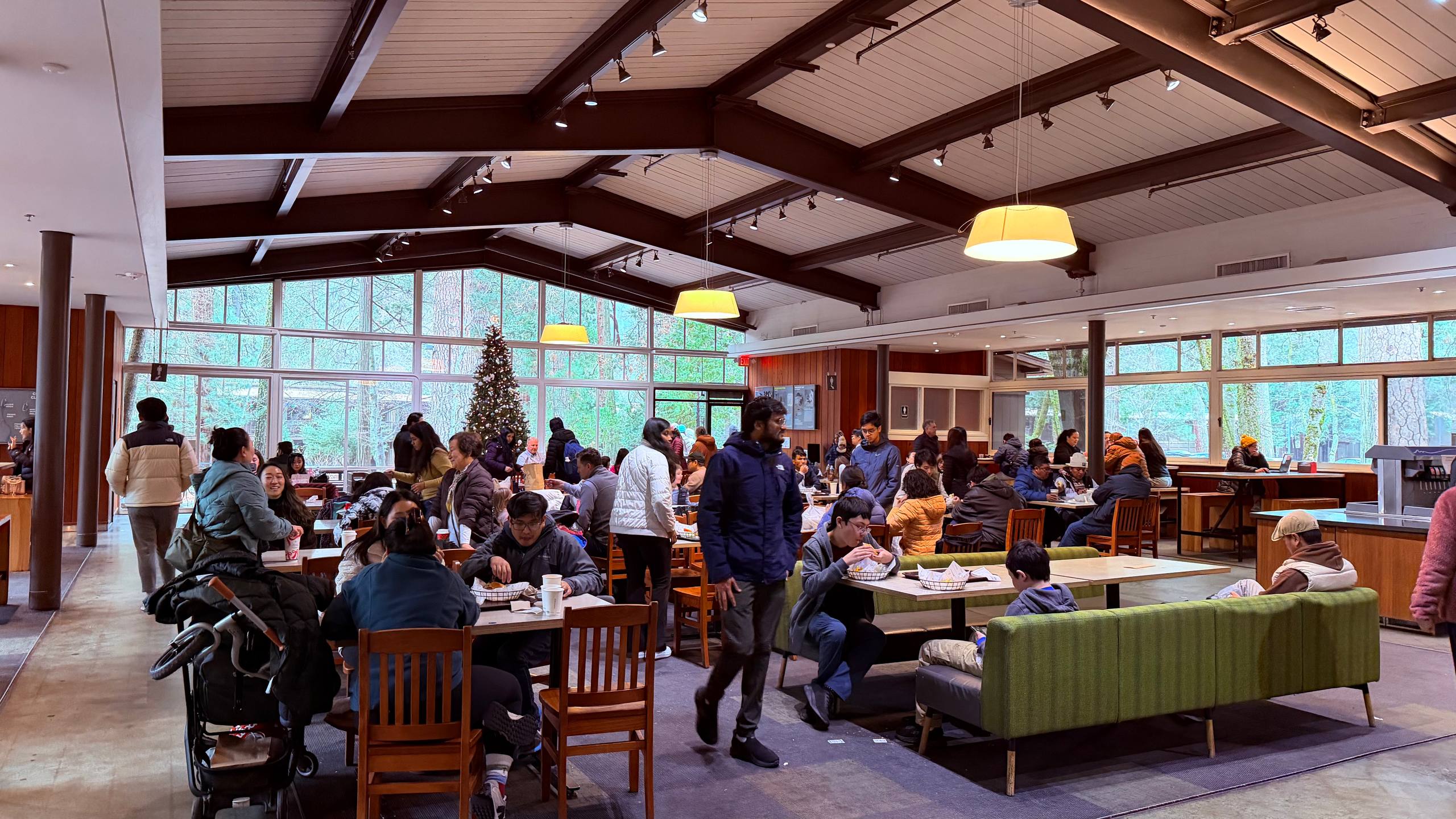
We also stopped by the Yosemite Valley Lodge, which sits right on the valley floor. There is a Starbucks here, a food court called Base Camp Eatery, and a general store. Most of the Yosemite-branded merchandise was sold out by the time we visited, which was not surprising given the holiday period.
It is also the most convenient stop for getting over to Yosemite Falls, as the trailhead to Lower Yosemite Fall is a short walk from the lodge.
Yosemite Falls
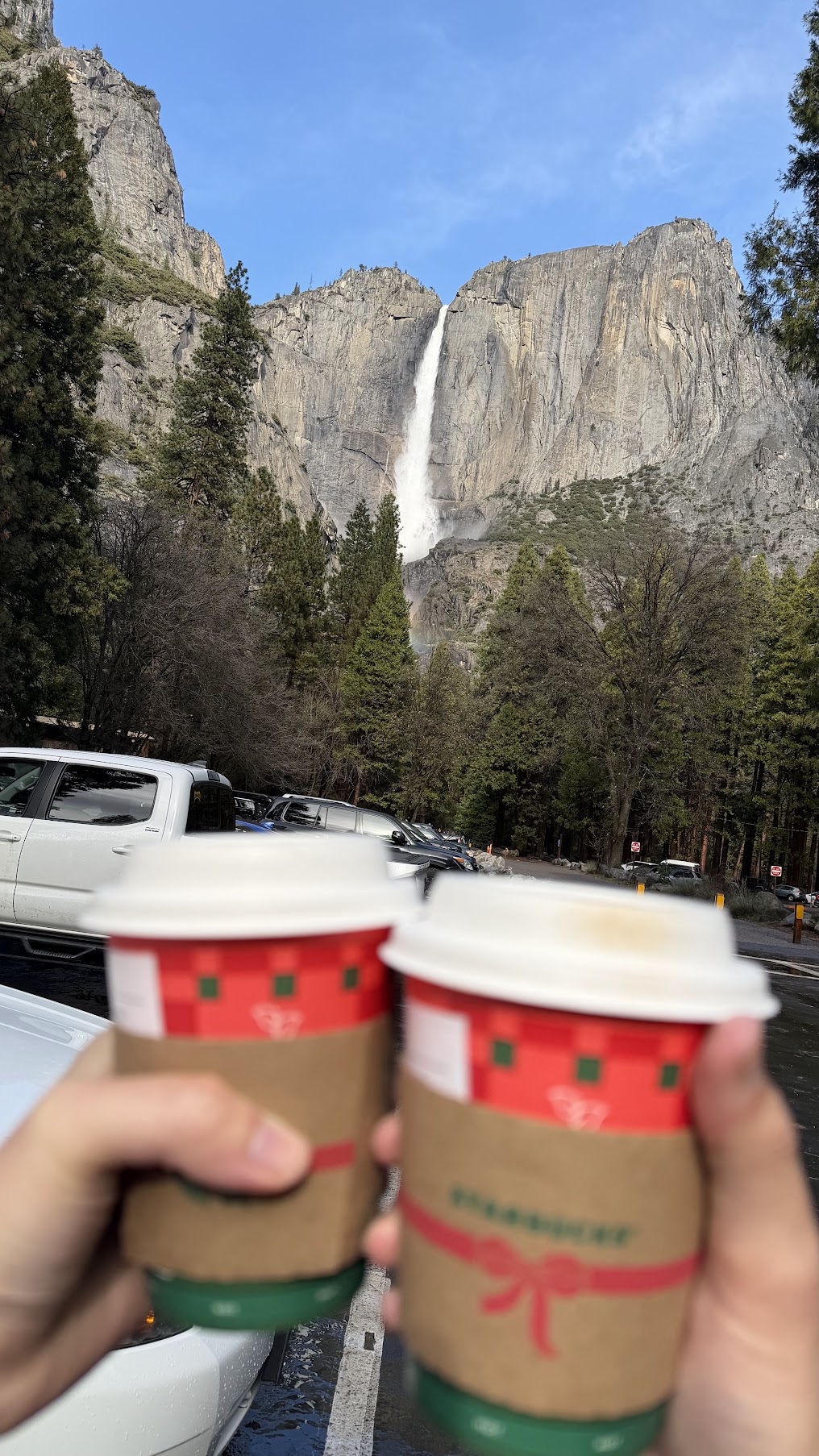
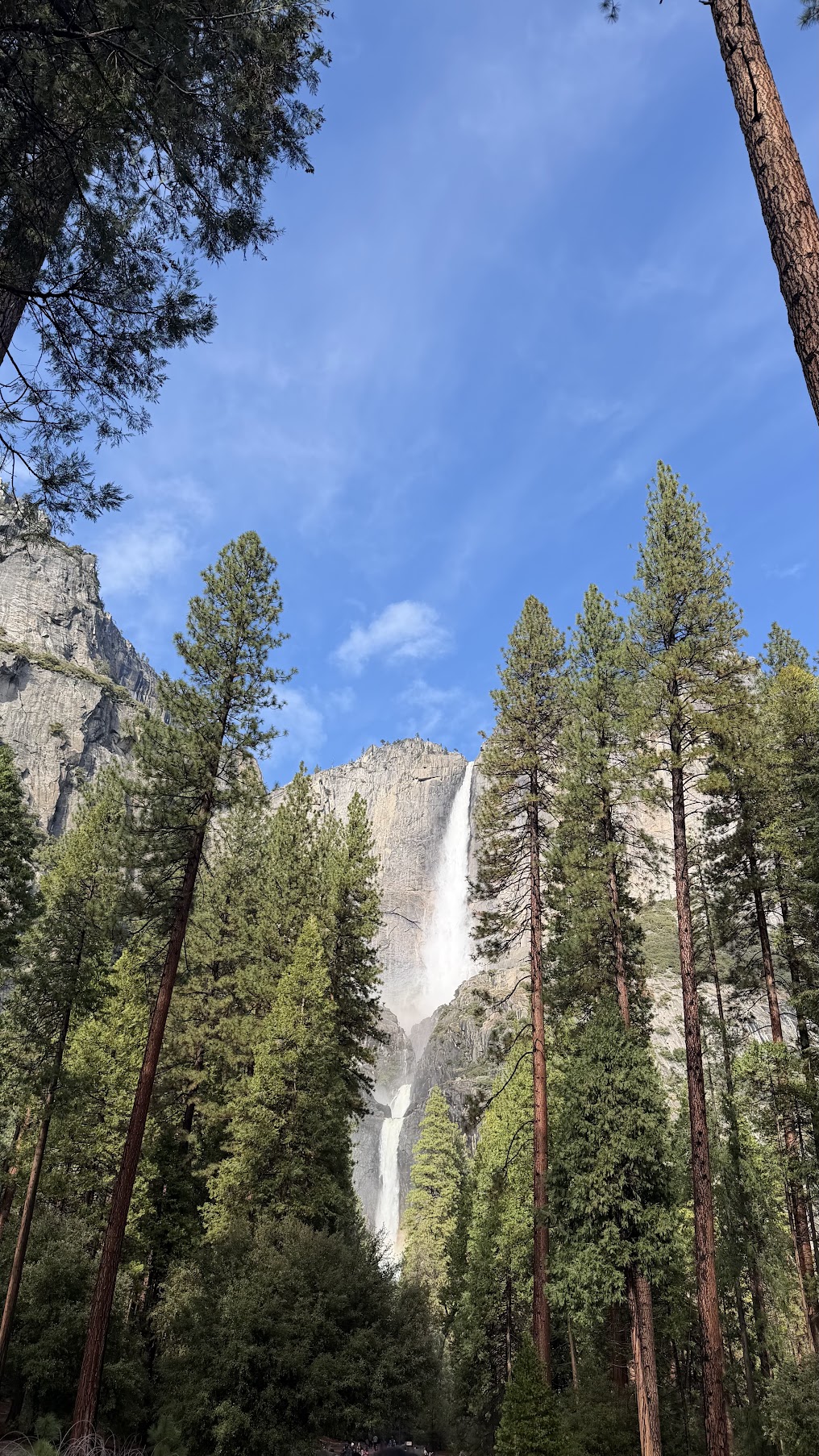
Yosemite Falls was the highlight of the trip. The falls have two tiers, Upper Yosemite Fall and Lower Yosemite Fall, and the combined drop is among the tallest in North America.
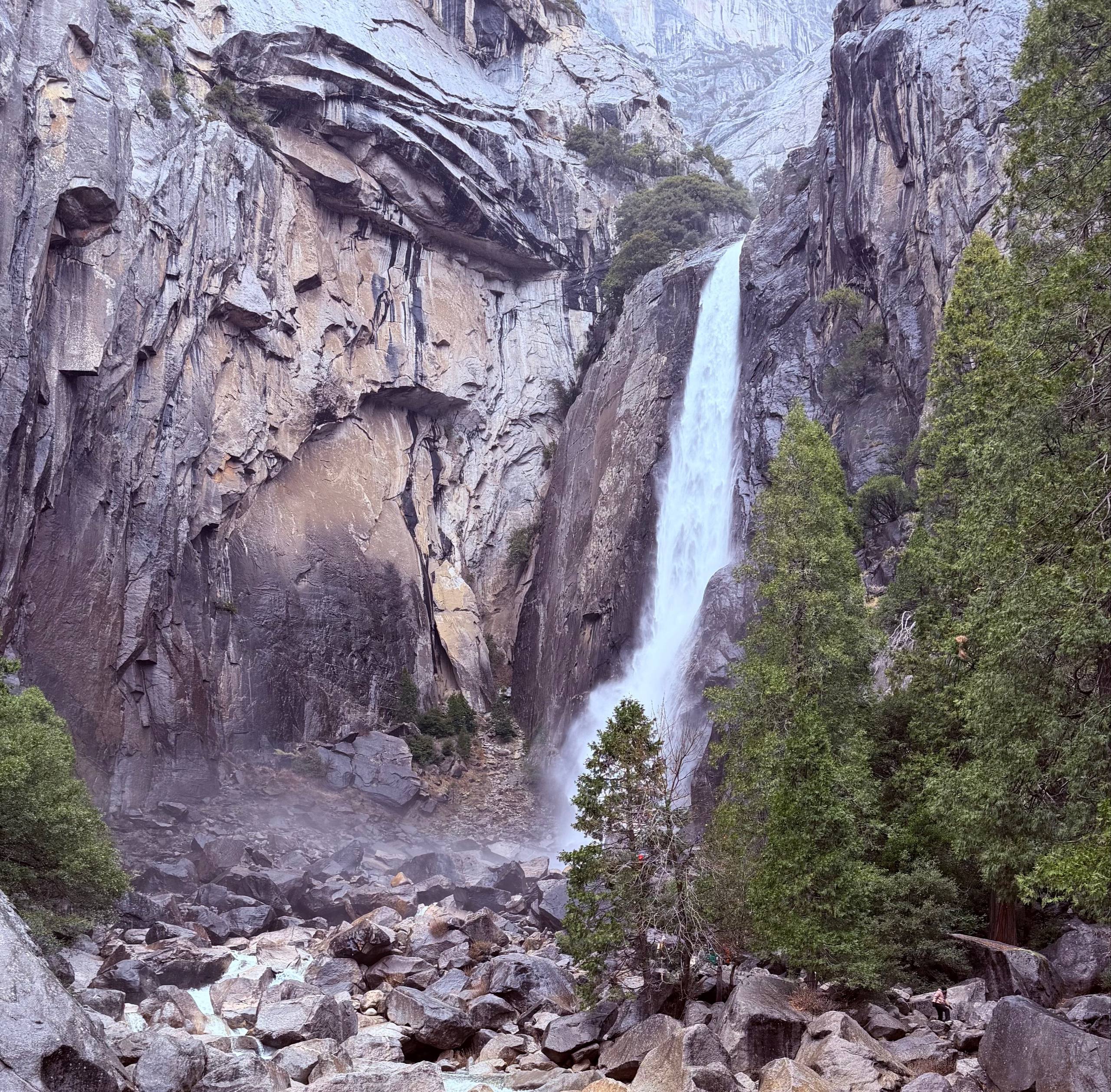
There are multiple paths leading to the falls, each offer a different perspective depending on where you stop along the way. We visited once on the first day and returned the next morning. Both times it was magnificent, but the second visit was something else entirely. Heavy overnight rain had fed the falls dramatically.
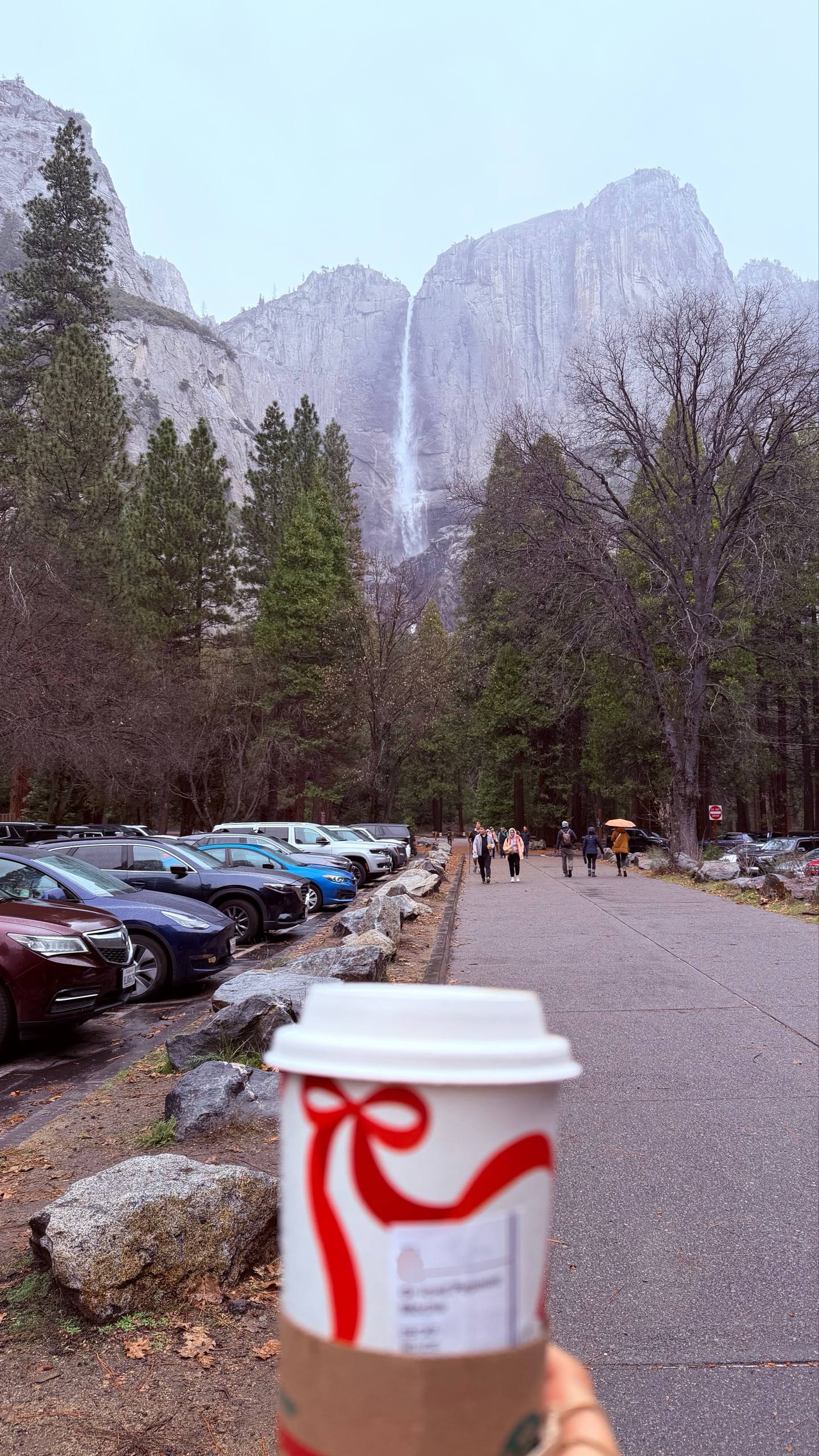
The volume and noise were in a completely different league compared to the day before. If you ever needed a reason to stay more than one day in Yosemite, this is it.
Curry Village
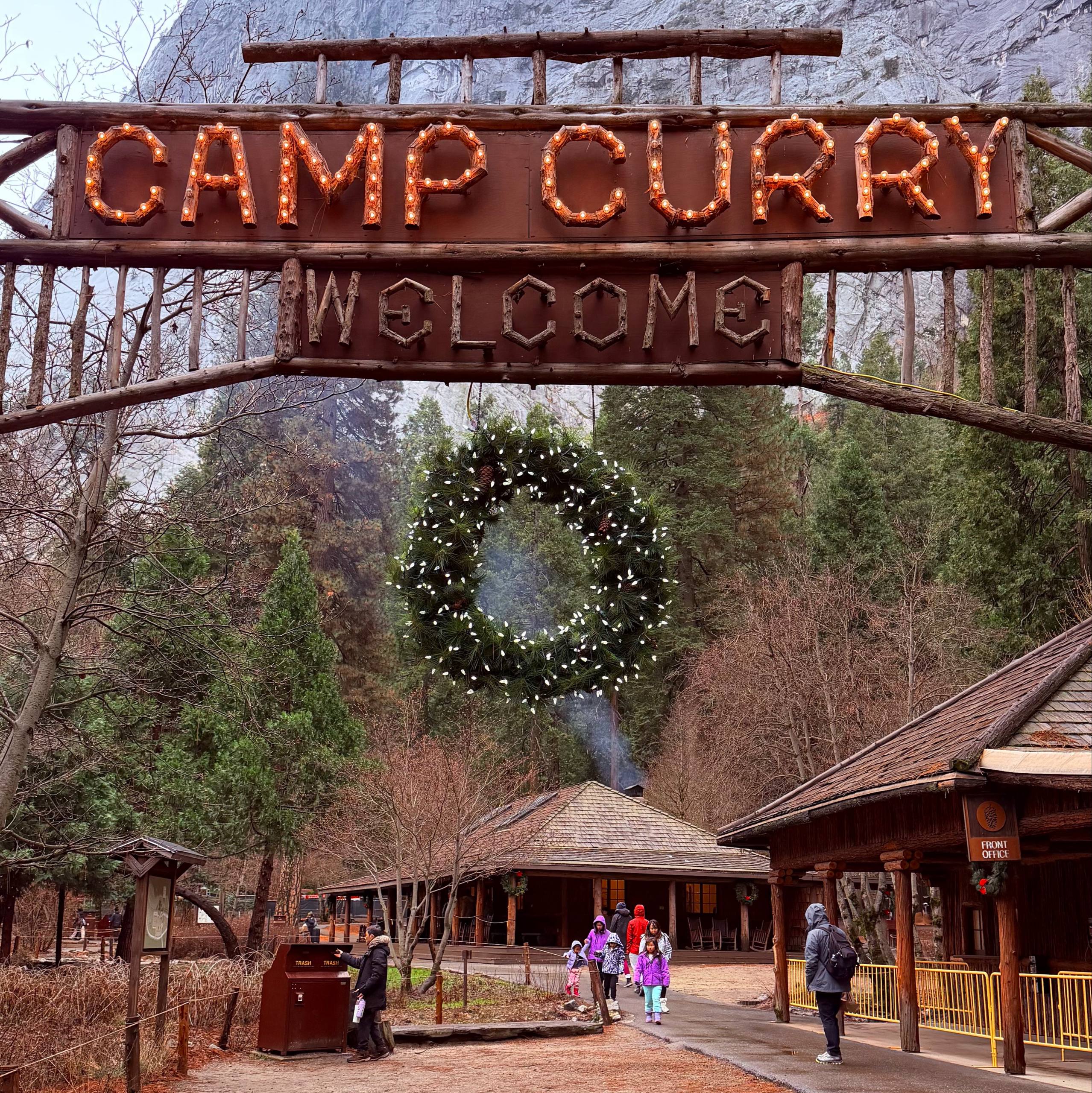
We made a pass through Curry Village on one of the days just to have a look. It is an iconic part of the Yosemite experience for many visitors, and the camp has a certain charm to it.
That said, the heated cabins had been fully booked for months by the time we looked, and the only options left were the unheated tent cabins, which were not realistic in December temperatures. If you are visiting in winter, book the heated options well in advance or look at alternatives like AutoCamp.
Valley View
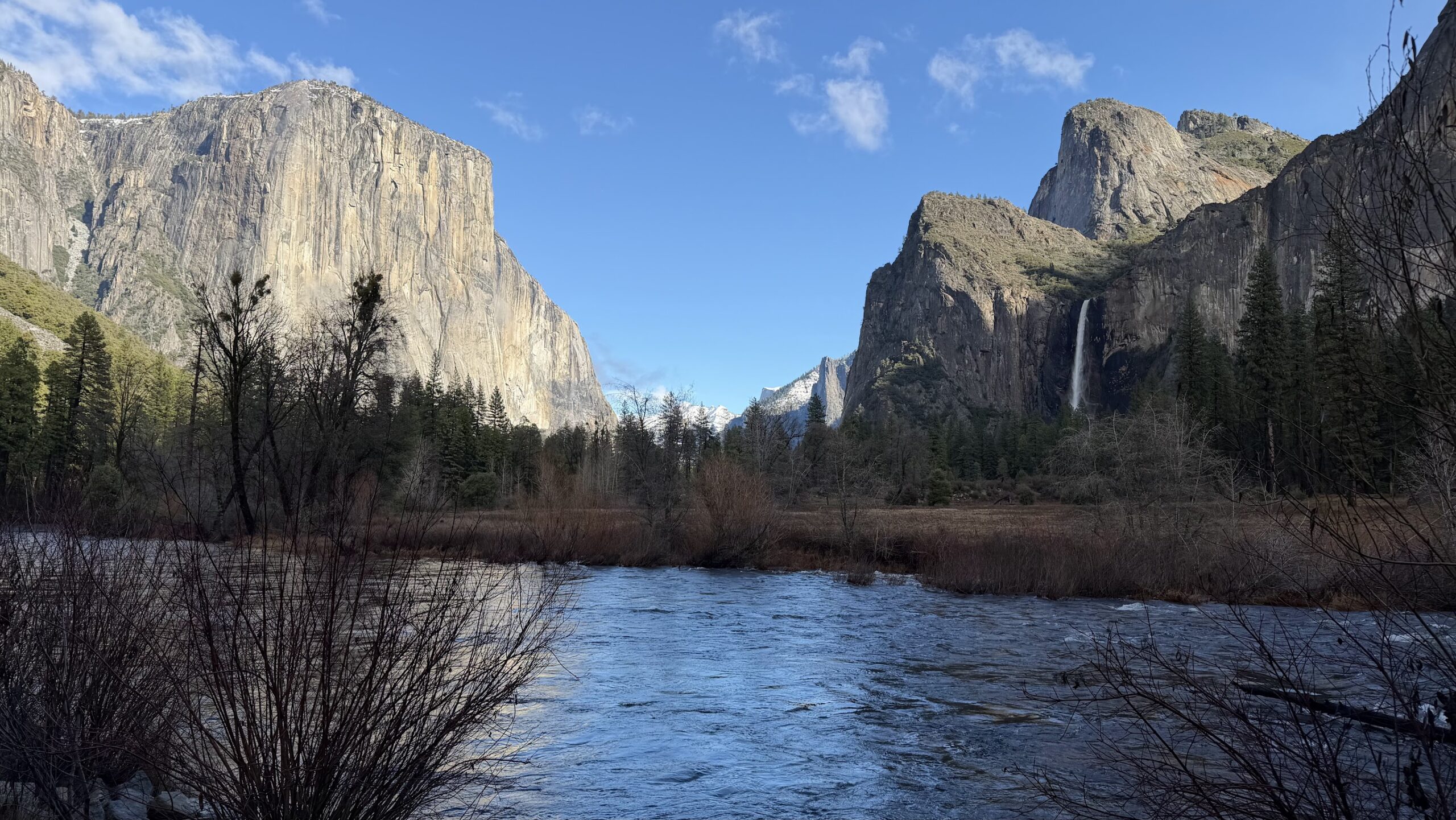
Our last stop of the day was Valley View, which sits along Northside Drive as you exit the valley. It offers one of the most complete views in the park: the Merced River in the foreground, El Capitan to the left, Cathedral Rocks to the right, and Half Dome visible in the distance.
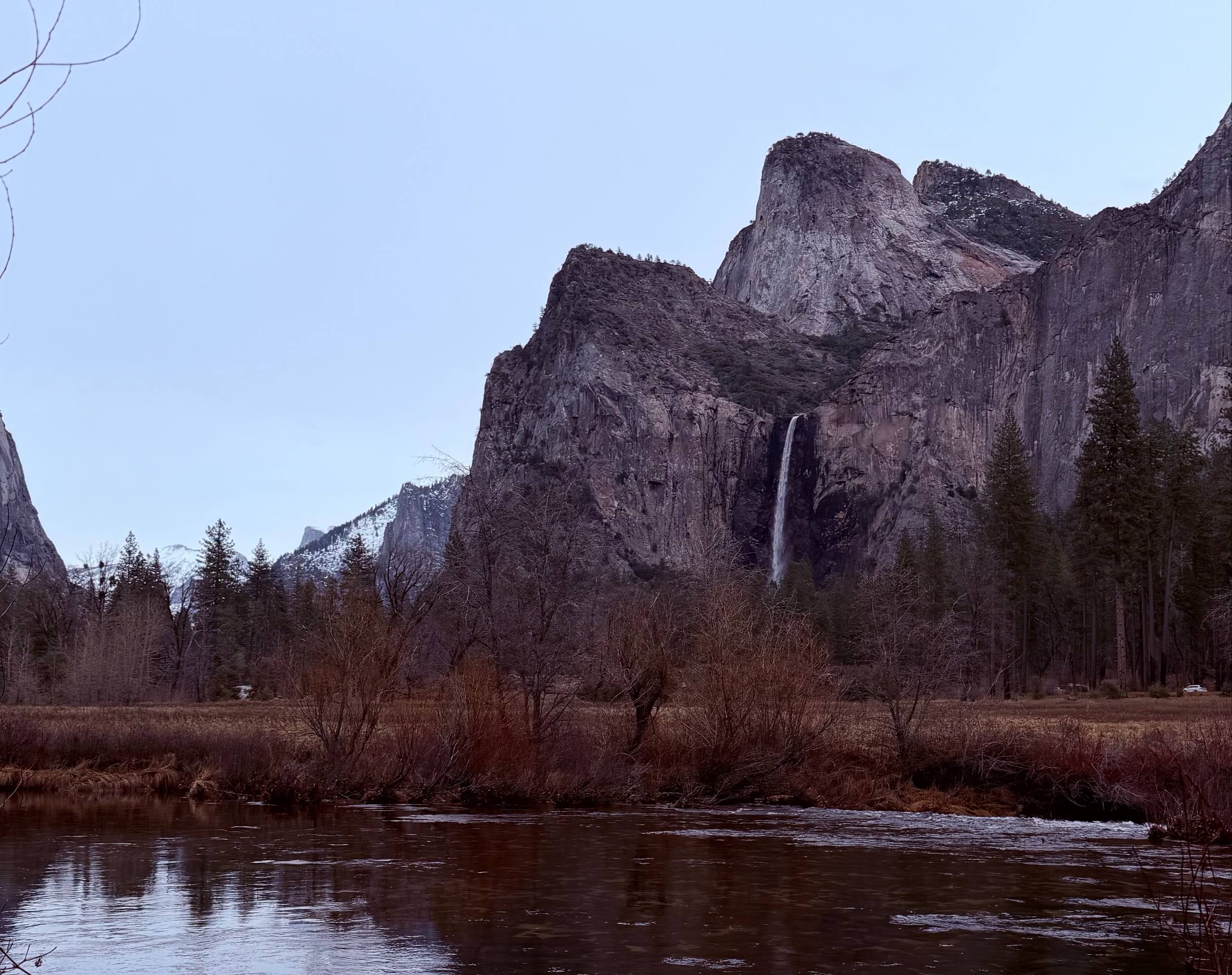
The time of day matters here. The view is noticeably nicer in the morning or late morning when the sun hits the valley floor and lights up the granite walls. We visited in the late afternoon, and while it was still beautiful, the lighting was flatter. Something to keep in mind if you want the best photos. A short stop but a magnificent one, and a fitting way to close out a day in the valley.
A note on entry fees for non-residents
This is worth flagging for international visitors. In 2025, the US National Park Service introduced a US$100 entry fee specifically for non-US residents at certain parks, including Yosemite. This is on top of the standard vehicle entry fee that all visitors pay.
We were lucky with our timing. We visited on 31 December and 1 January, and our receipt was valid for seven consecutive days, so we paid the old US$35 vehicle entry fee before the new pricing took effect.
It is a significant jump. If you hold an annual America the Beautiful pass from a previous year, that appears to cover the standard entry for all passengers in the vehicle, but check the current policy carefully before you visit as these things can change. For non-residents visiting multiple national parks in one trip, the annual pass route makes financial sense if you are hitting more than two parks. At US$80 for the pass itself at resident pricing, even one or two parks at the standard entry fee starts to approach that figure. Worth doing your homework before you arrive.
Two days in San Francisco
For the last two nights of the trip, we headed north to San Francisco. The drive from Yosemite took about 3.5 hours.
San Francisco Premium Outlets
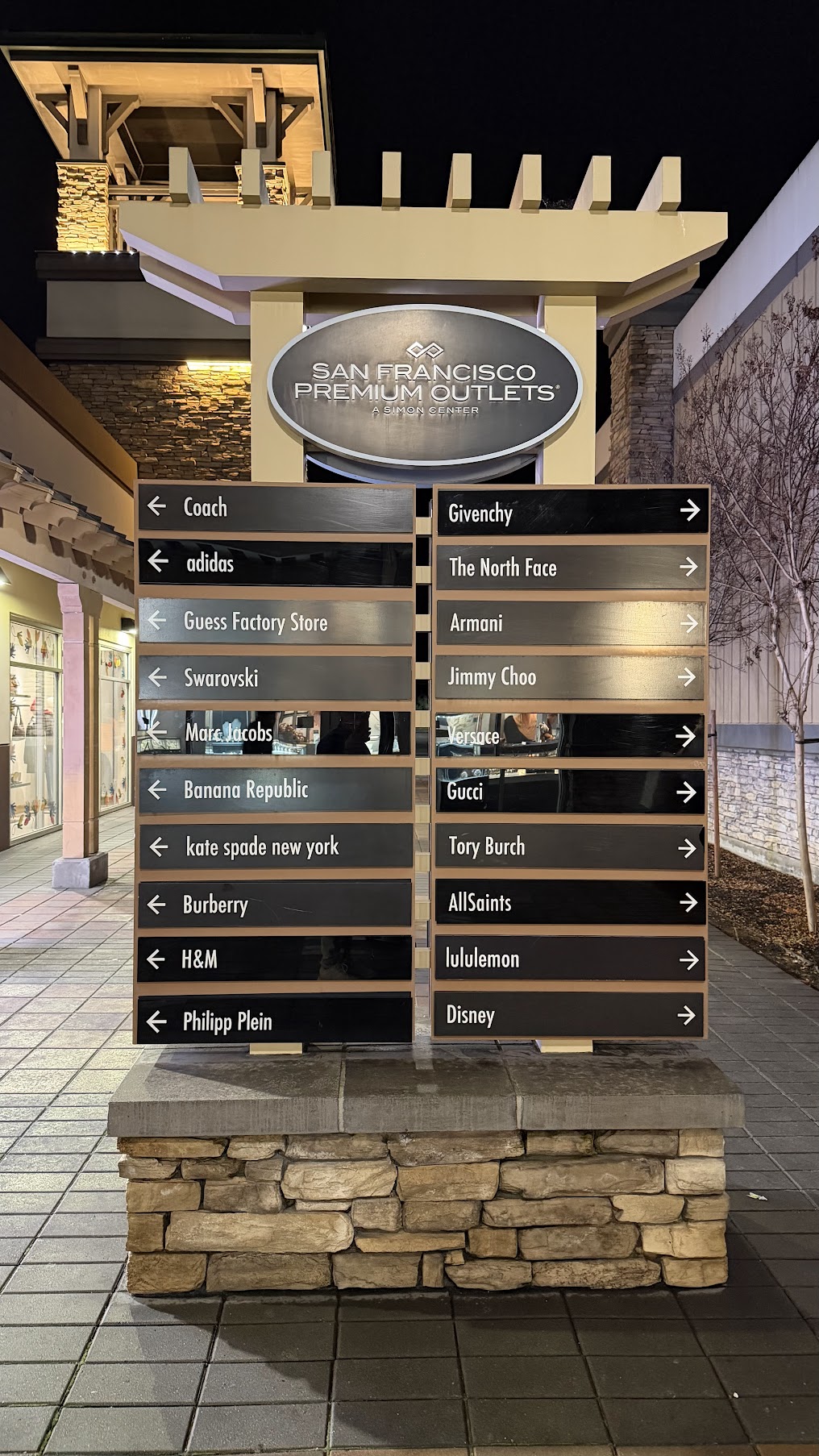
We stopped along the way at the San Francisco Premium Outlets in Livermore. It is a large outdoor outlet mall and a convenient break if you are driving from Yosemite towards the Bay Area.
Comfort Inn & Suites San Francisco Airport North
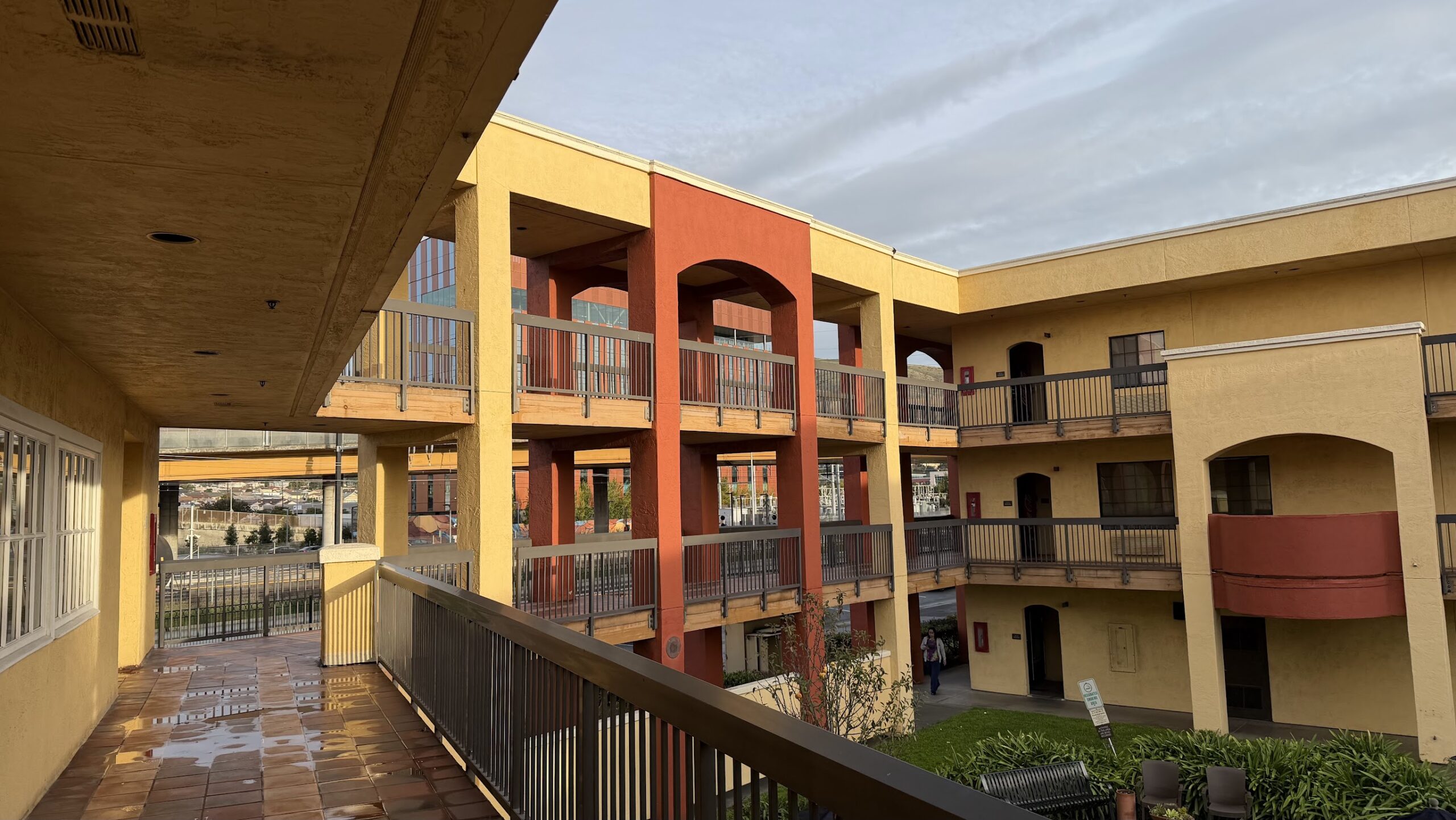
We arrived at our hotel, the Comfort Inn & Suites San Francisco Airport North, by nightfall. It was cheap, which was the main draw. The vibes were distinctly motel-ish. The area felt generally safe, though the neighbours were a bit sketchy. We could smell weed coming from the adjoining rooms.
Not a place you would stay for the experience, but it was very affordable for two nights near the airport before our flight home.
Getting around San Francisco
We had a rental car with us, but chose not to drive it into San Francisco at all. Car break-ins are a well-documented problem in the city, with smash-and-grab incidents happening even in broad daylight. We took no chances and left the car at the hotel, opting for public transport instead.
San Francisco’s public transport network is actually quite good. Between Caltrain, Muni, the trams, and the buses, we got everywhere we needed to go without much difficulty. If you are visiting as a tourist, I would recommend doing the same.
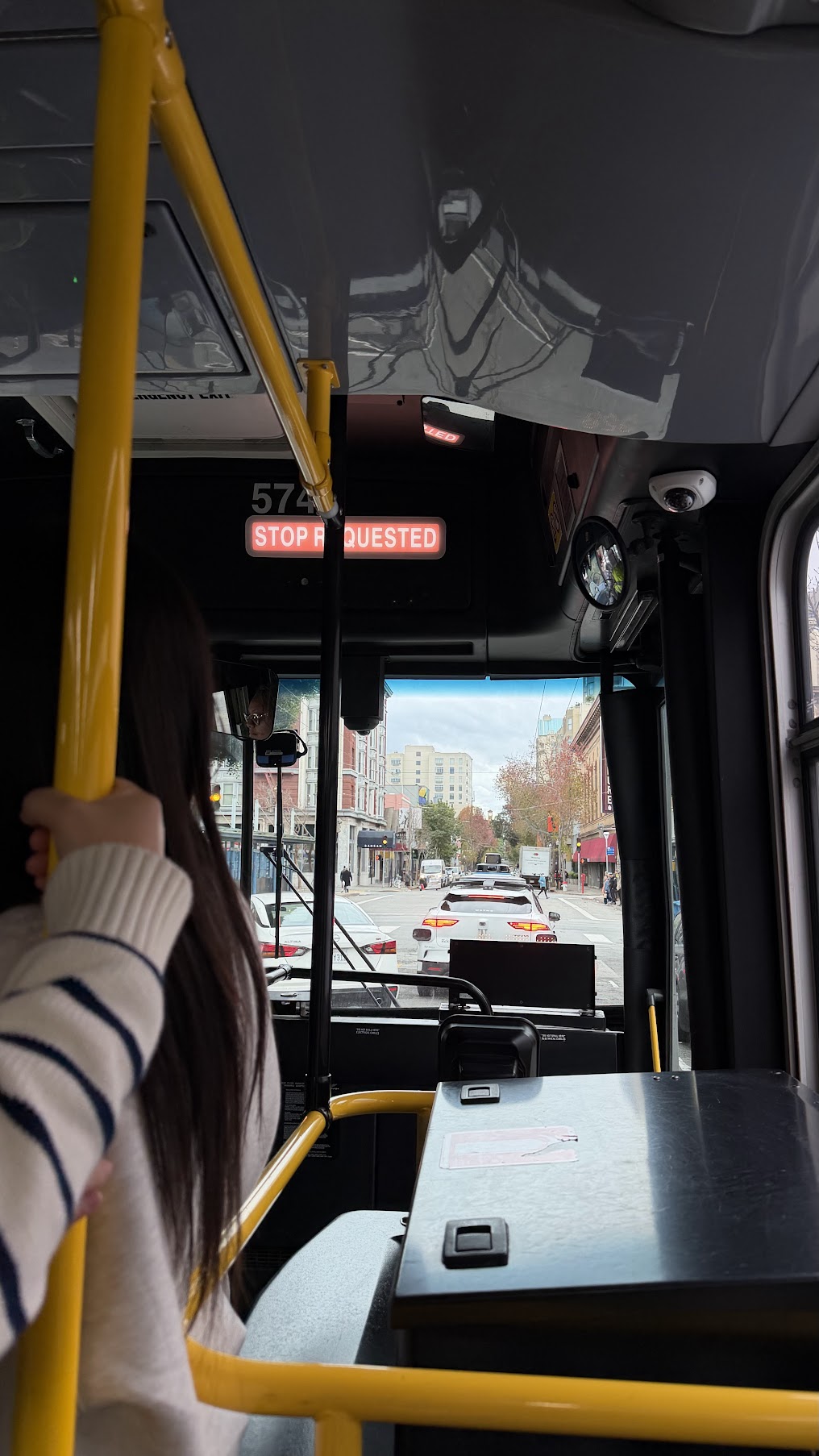
We also took the bus at various points during the day. At one point, we saw a Waymo that had gotten stuck in traffic, completely blocking the road. Apparently, this was not the first time either. The week prior to our visit, lots of Waymo cars had reportedly stalled because of the San Francisco power outage. Quite a contrast from our smooth first Waymo ride back in LA.
In a city as high-tech as San Francisco, it was an interesting thing to witness firsthand. Autonomous vehicles are clearly still a work in progress here, despite the city being one of their biggest testing grounds.
Fisherman’s Wharf & Pier 39
The next morning, we headed to the Caltrain station at South San Francisco but just missed the train.
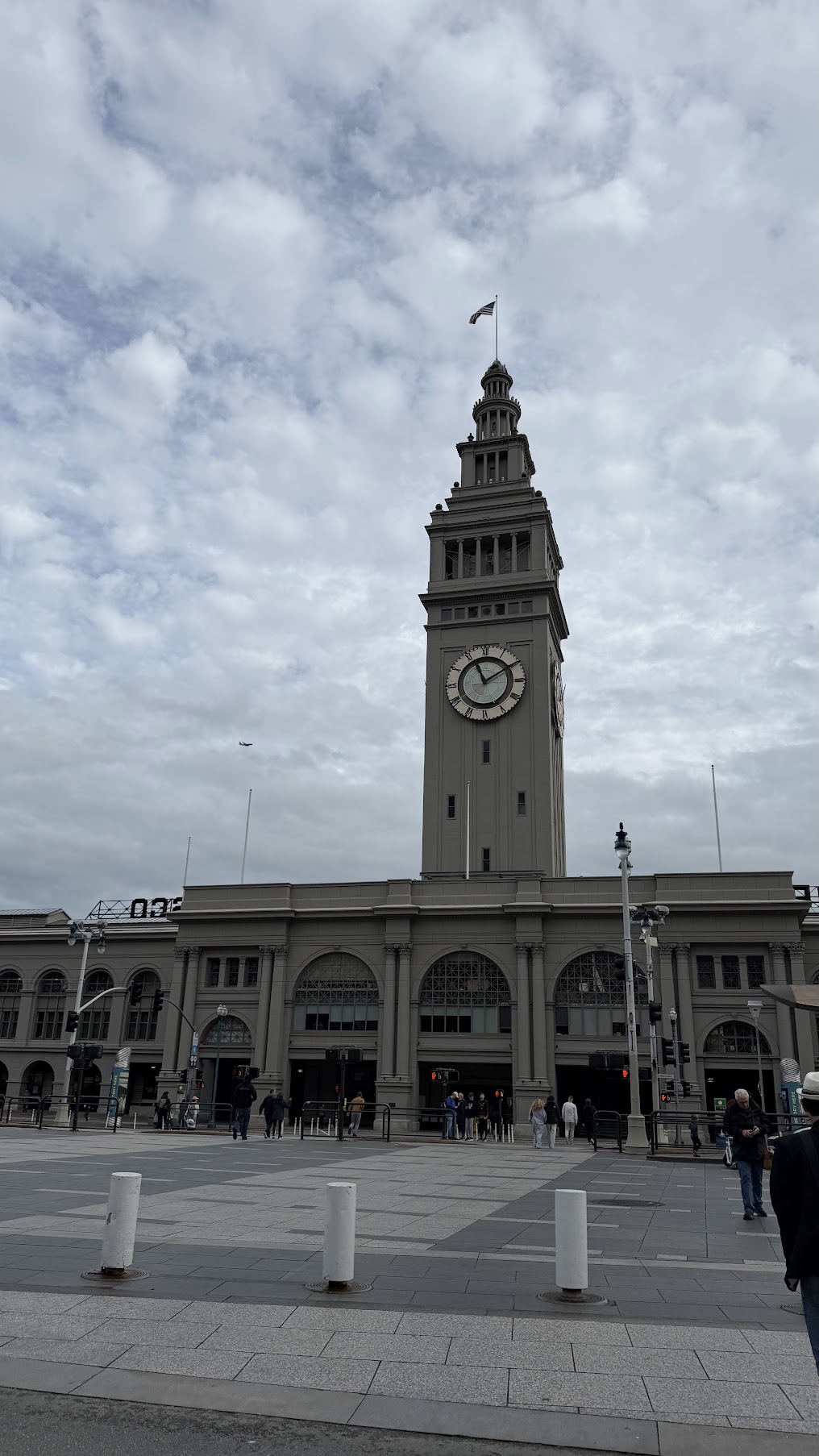
Caltrain runs every 30 minutes, which is a bit annoying when you are on a tight schedule. Rather than wait, we took Caltrain one stop to San Francisco Airport and switched to Muni from there into the city, getting off at Embarcadero. The combination of Caltrain and Muni ended up costing more than a direct Caltrain ride would have, but it got us moving.
From Embarcadero, we walked towards Fisherman’s Wharf and took a tram to Pier 39.
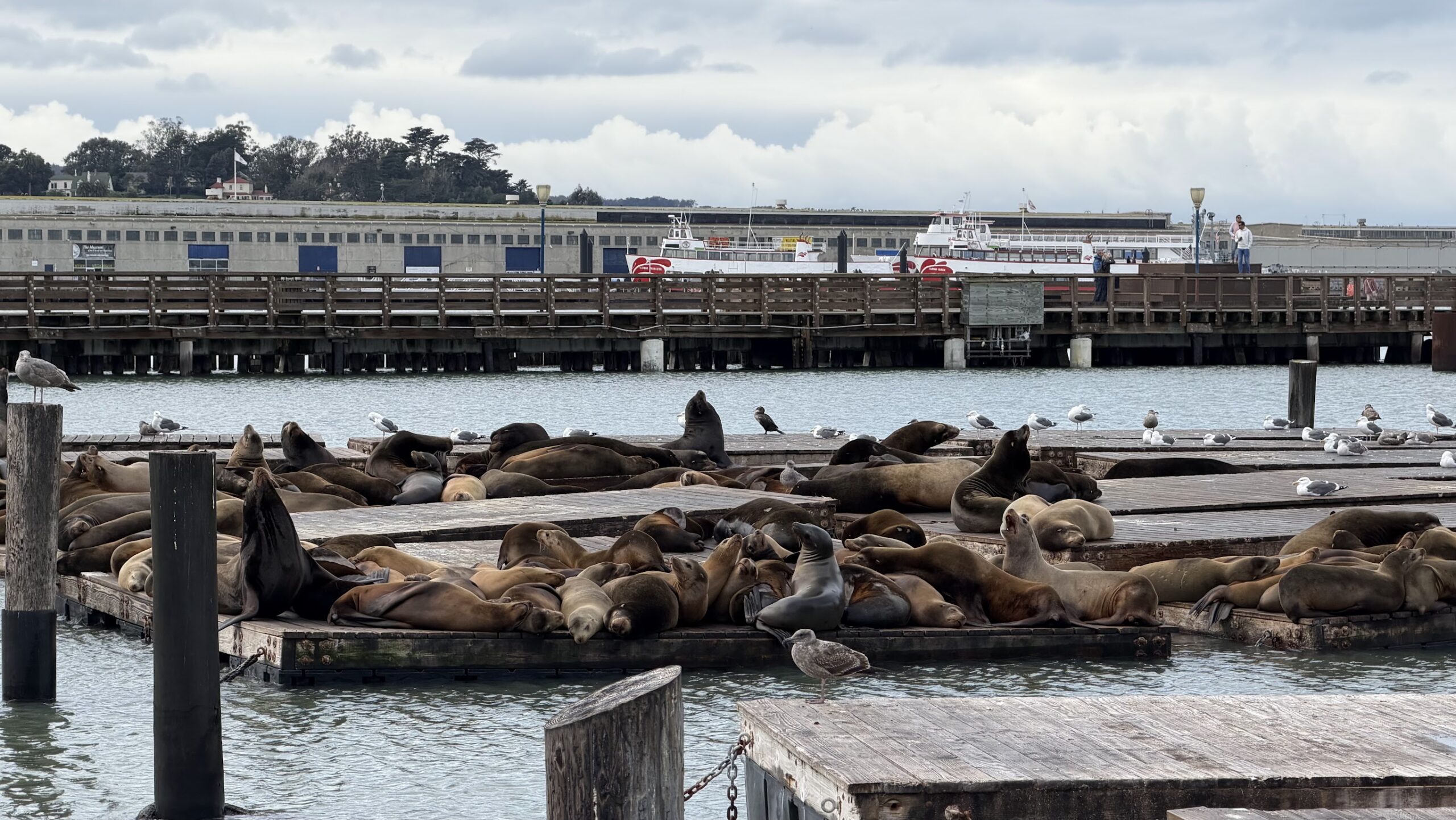
The sea lions lounging on the docks were the highlight. They are loud, lazy, and endlessly entertaining to watch.
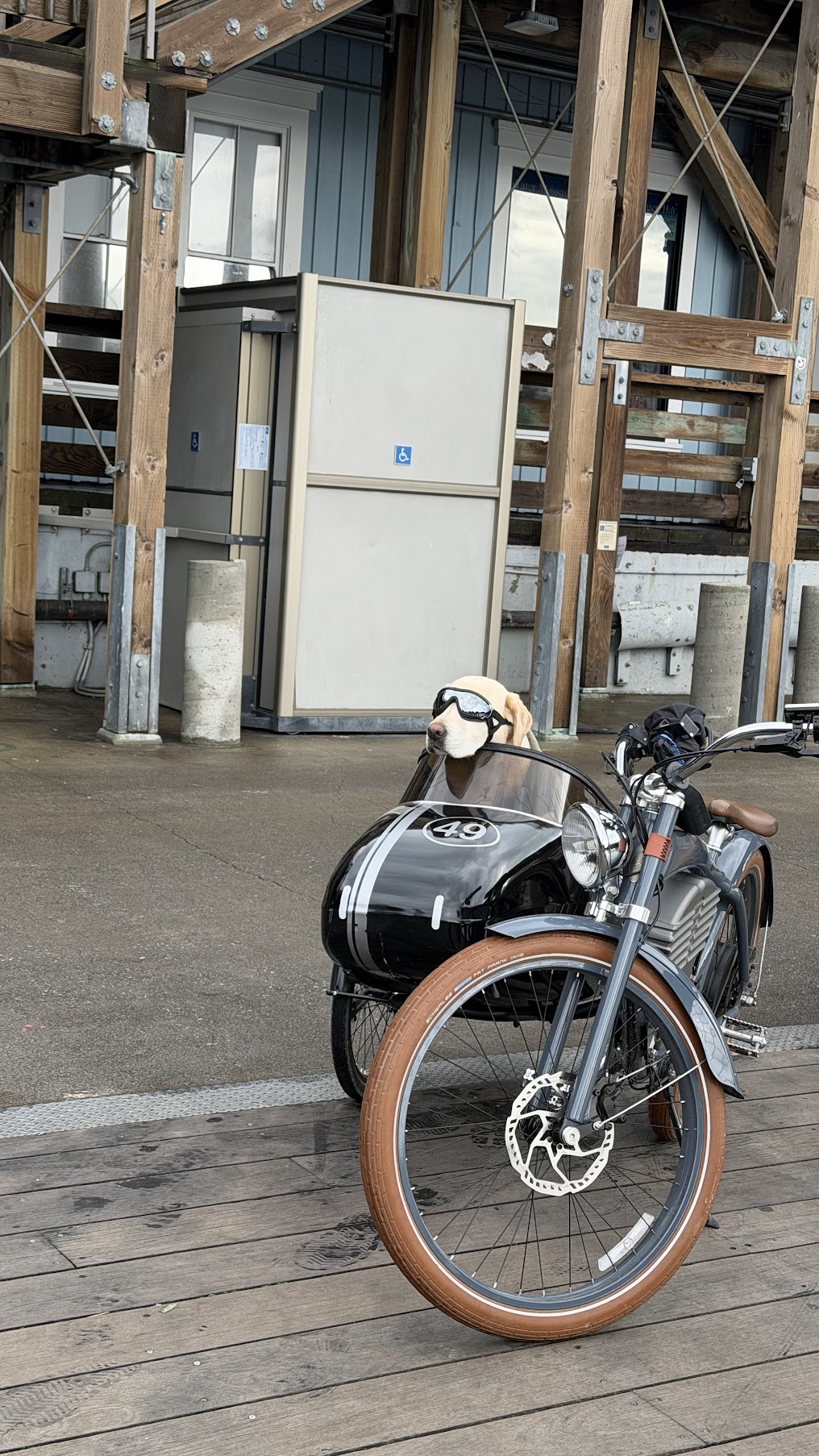
We also noticed just how many dogs were around. San Francisco is clearly a dog city. People bring their dogs everywhere, and most of them seemed better dressed than the tourists. Americans really do love their dogs.
Palace of Fine Arts
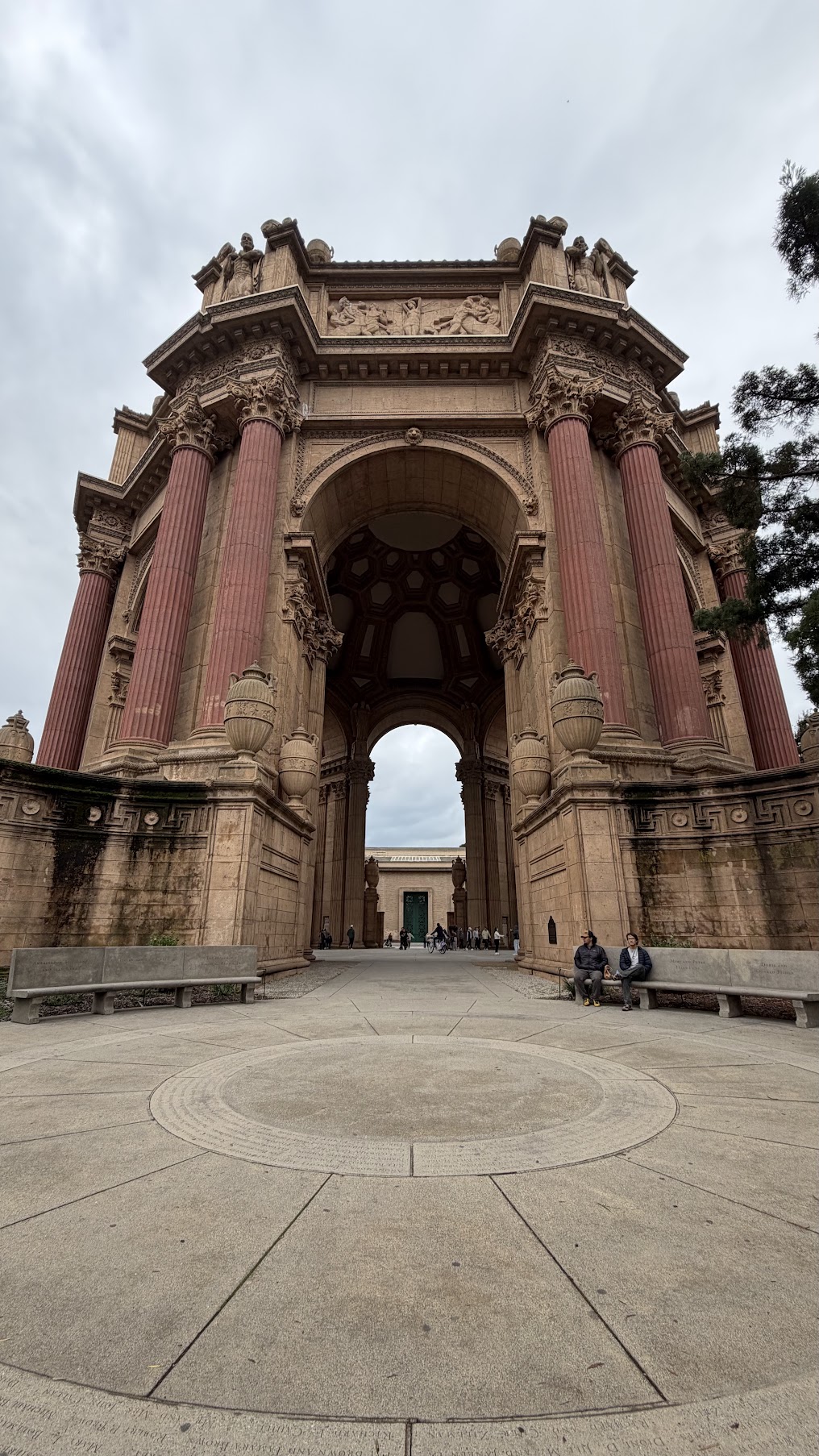
From Pier 39, we made our way to the Palace of Fine Arts. It was originally built for the 1915 Panama-Pacific International Exposition, the world fair that celebrated the opening of the Panama Canal. The rotunda and colonnade are striking, and the whole setting feels oddly peaceful given how close it is to the busier parts of the city. Worth a stop.
Golden Gate Bridge
We then headed to the Golden Gate Bridge. When it opened in 1937, it was the longest suspension bridge in the world, and it held that record for nearly three decades. Even now, the scale of it is striking. The bridge stretches almost two kilometres across the mouth of San Francisco Bay, connecting the city to Marin County.
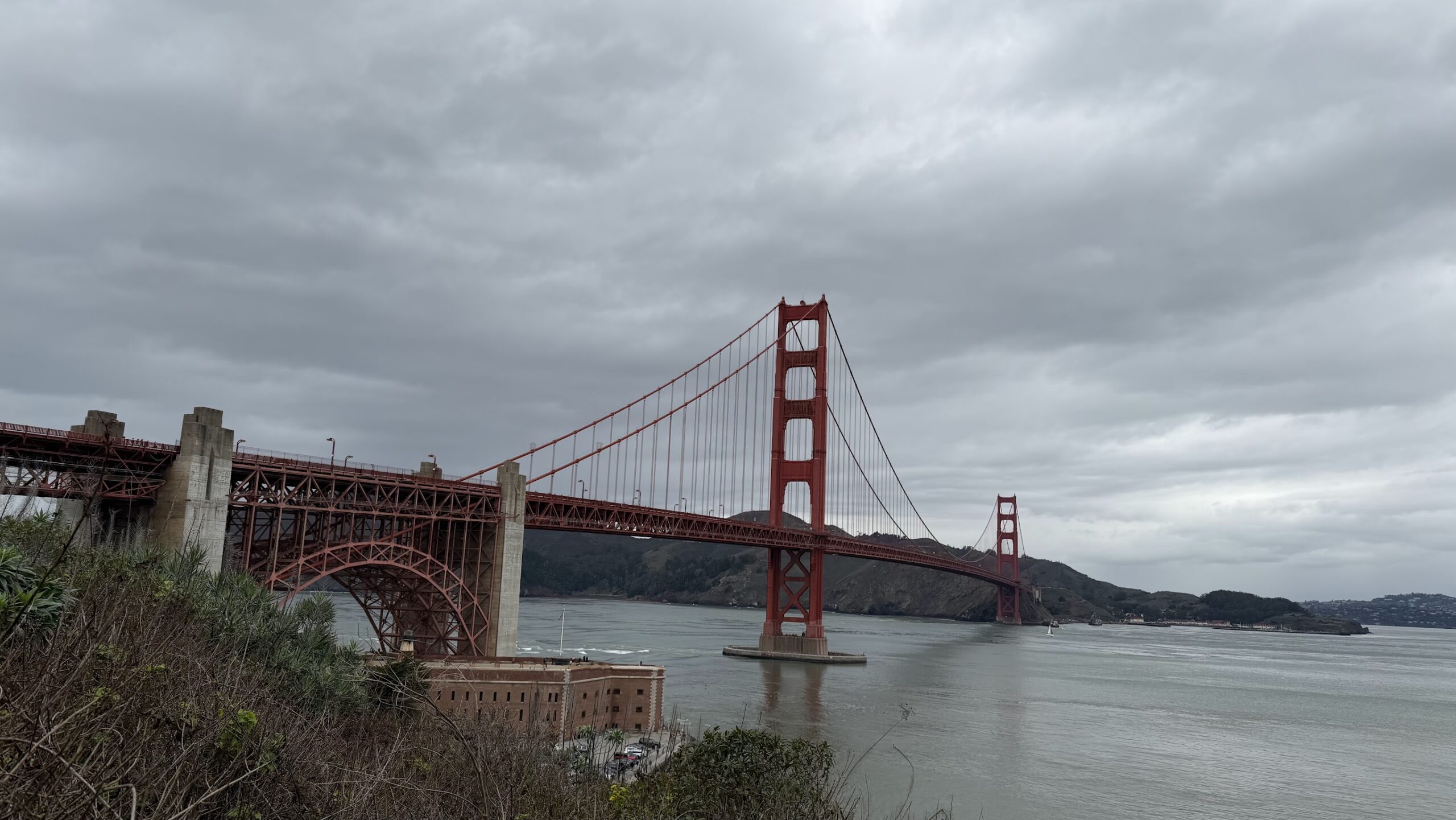
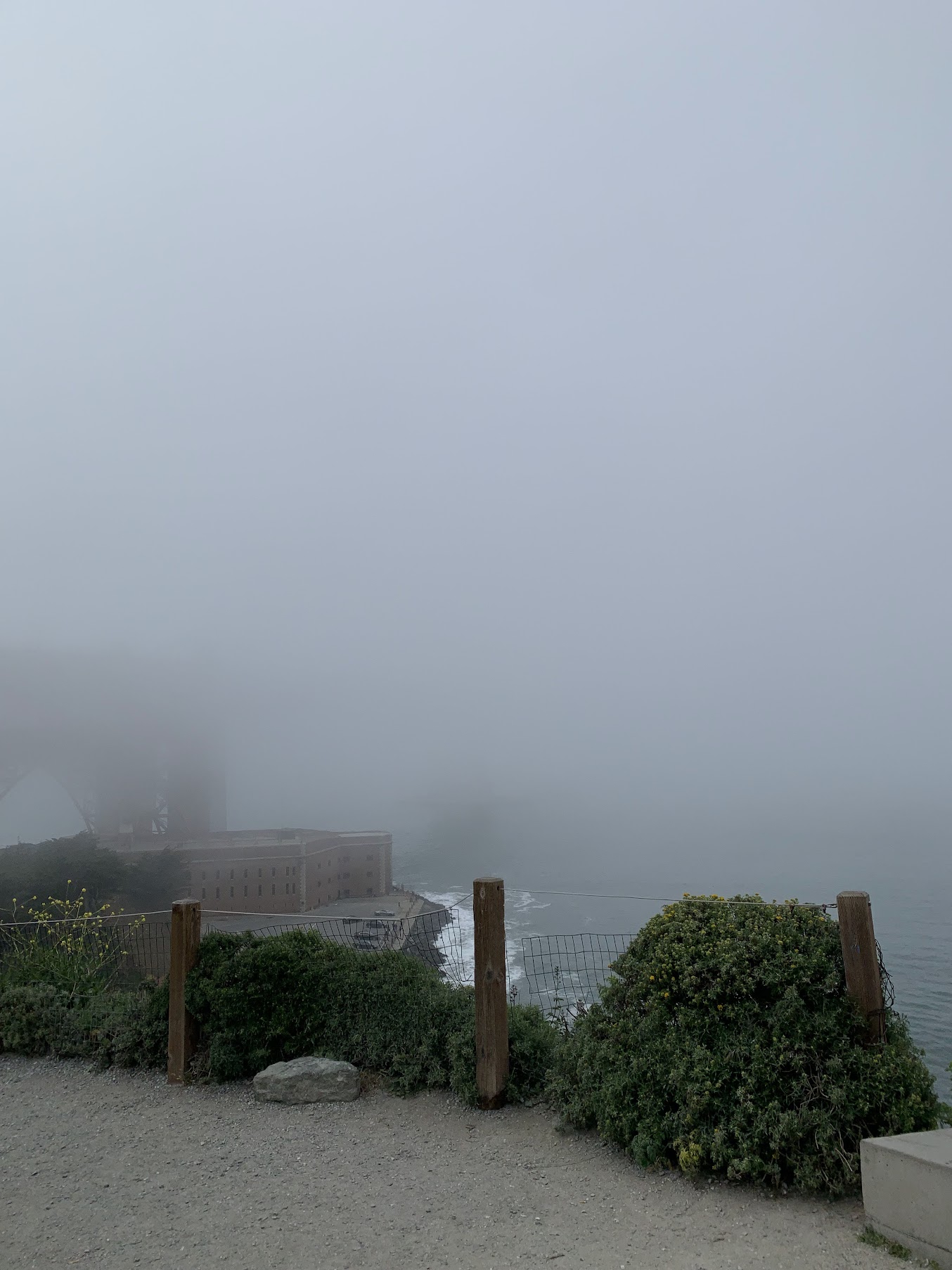
The views from the pedestrian walkway are magnificent: the city skyline to one side, the Pacific Ocean to the other, and Alcatraz Island sitting in the bay below. And this time, we got lucky. The bridge was clearly visible, with no fog in sight.
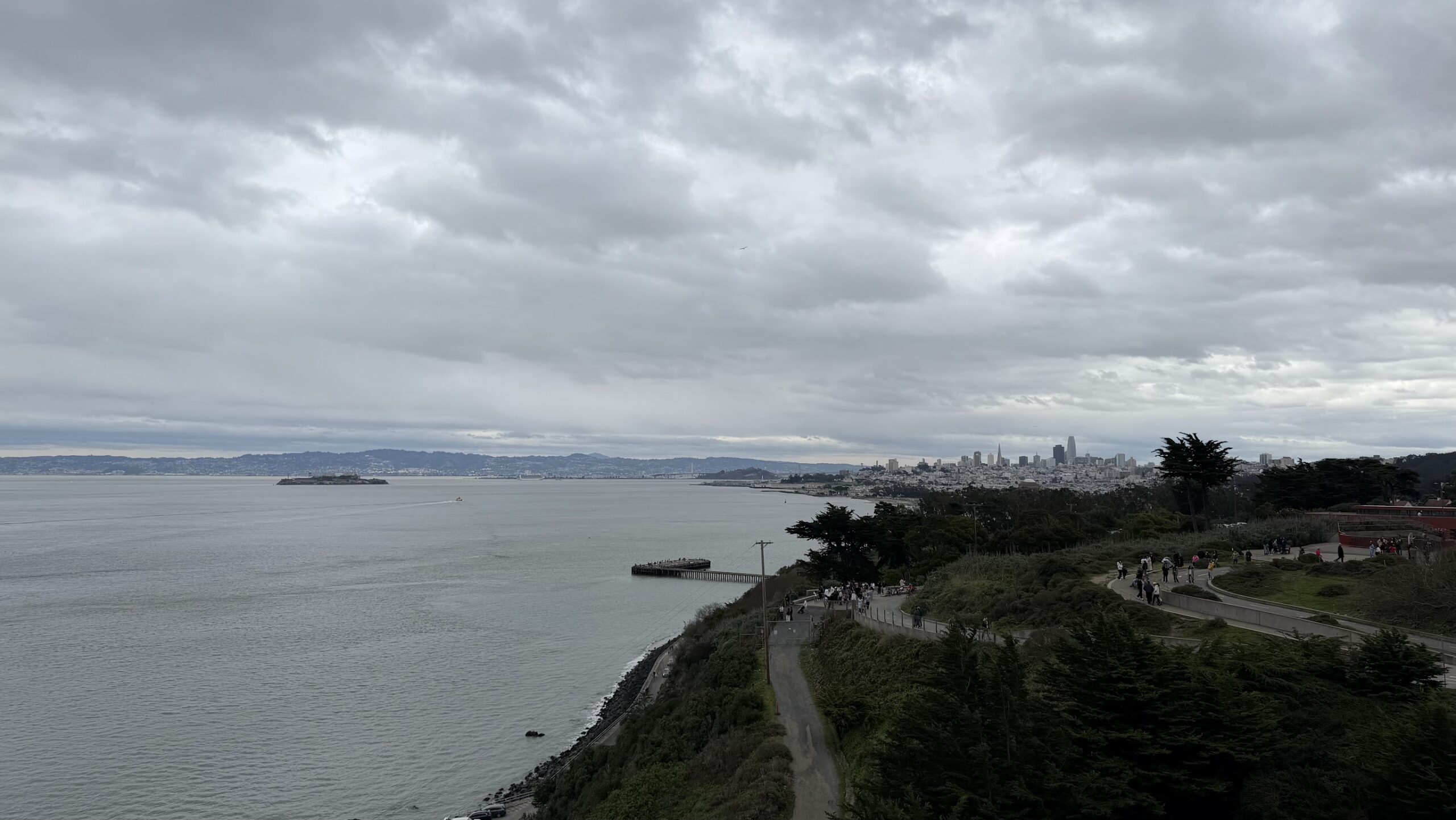
San Francisco is famous for its fog, affectionately known as Karl the Fog, which has its own social media presence at this point. On my previous visit in 2022, Karl was out in full force.
You could barely see the bridge at all. It was essentially a visit to a large grey cloud. This time round, we had clear skies and could actually appreciate the bridge properly. If you are visiting San Francisco and the weather is clear, go straight to the Golden Gate Bridge. You never know when Karl will show up.
Capital One Café
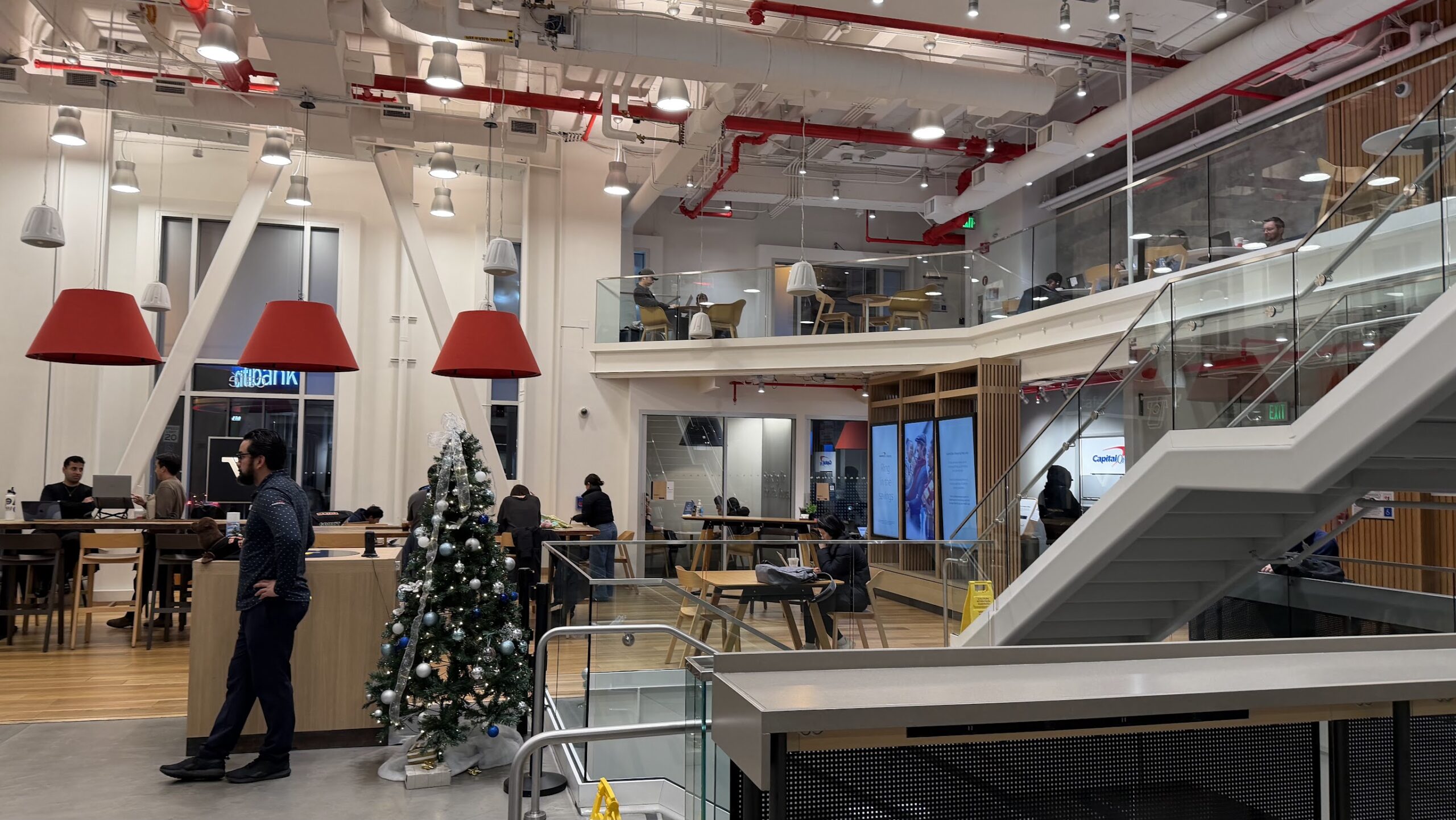
We also stopped by the Capital One Café in San Francisco. Like the one in Las Vegas, you can redeem free coffee here and it doubles as a coworking space. It is a genuinely useful spot if you need to sit down, charge your devices, and get some work done between sights. The space is free to use for anyone, no purchase necessary.
Cable cars & Lombard Street
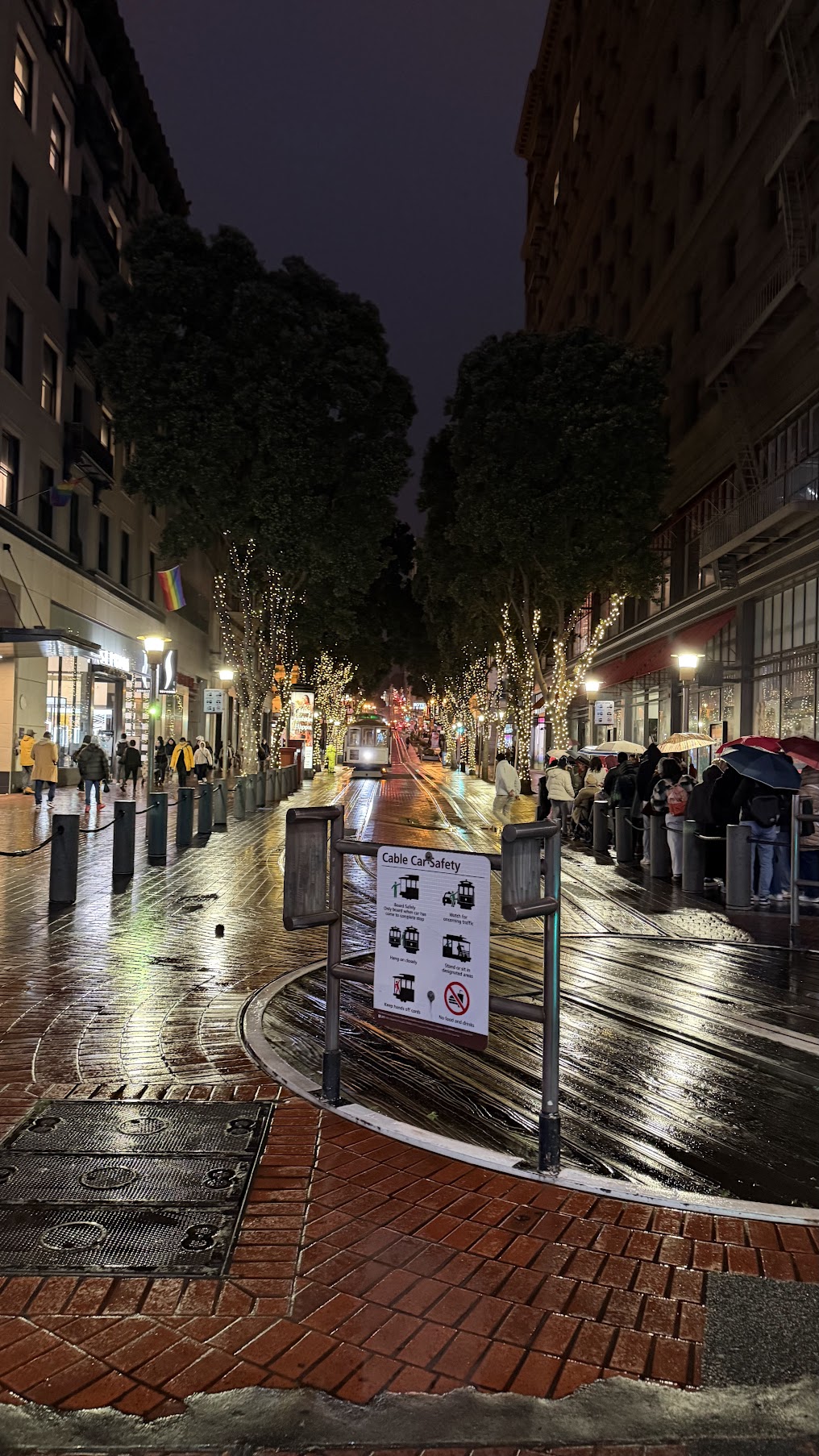
We had planned to take the cable car from the Powell & Market Street turnaround, but it was not running when we arrived. We stood in the rain for about 30 minutes before giving up. We walked over to the other cable car line which was still operating, and as luck would have it, the Powell line resumed just as we reached the intersection. We hopped on from there.
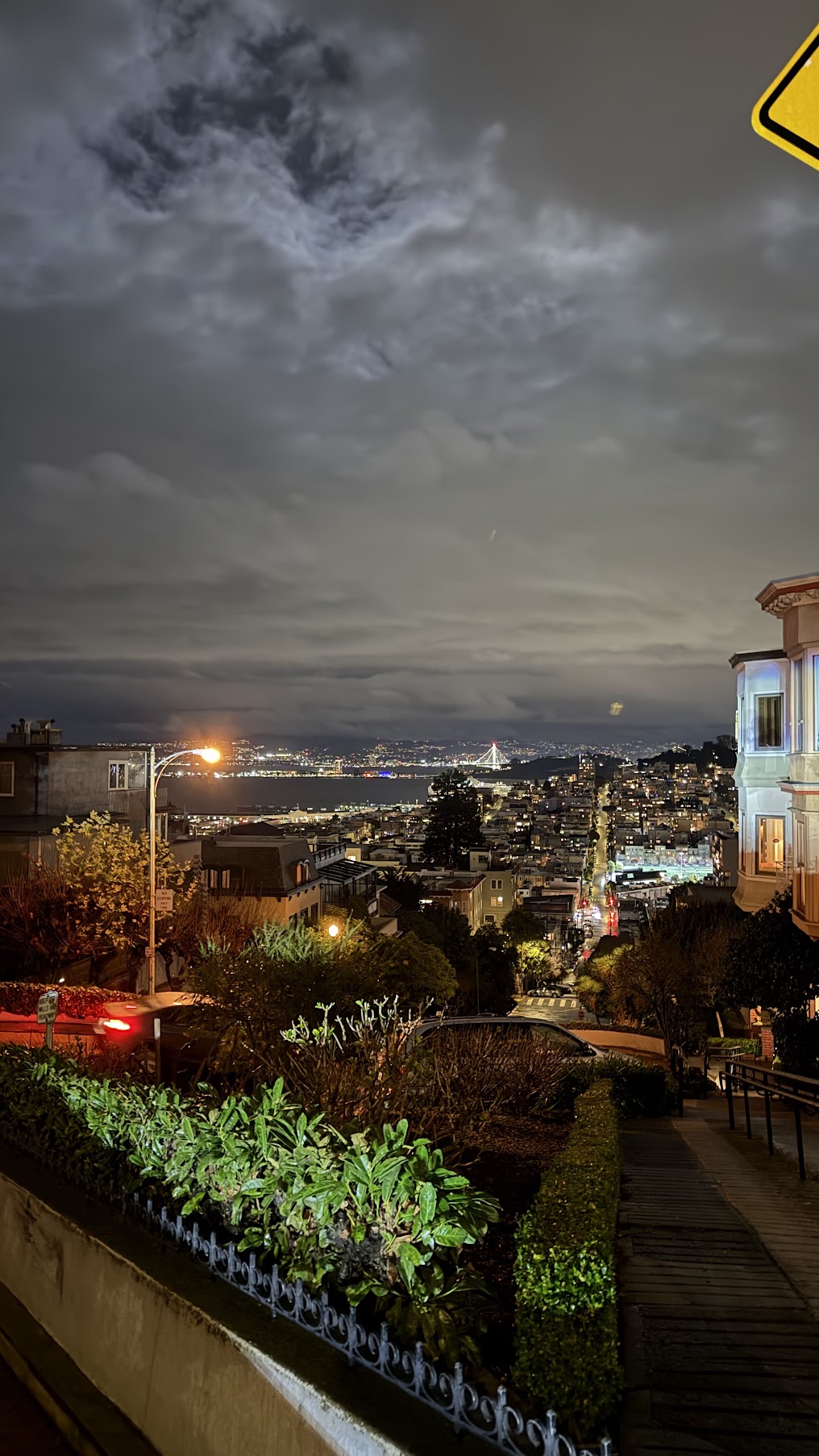
We rode it up to Lombard Street, the famously crooked stretch with its tight switchbacks and manicured hedges. Unfortunately, December daylight fades early in San Francisco, and by the time we arrived it was already dark. You do not get much of the street itself at night, but the city lights from the top of the hill were a decent consolation.
Food
As with the rest of the trip, we tried not to eat out too much. We had leftovers from our Yosemite supplies for dinner on a couple of nights, which kept costs down and was honestly fine after long days of sightseeing. When we did eat out, here is what we tried.
Comfort Inn breakfast
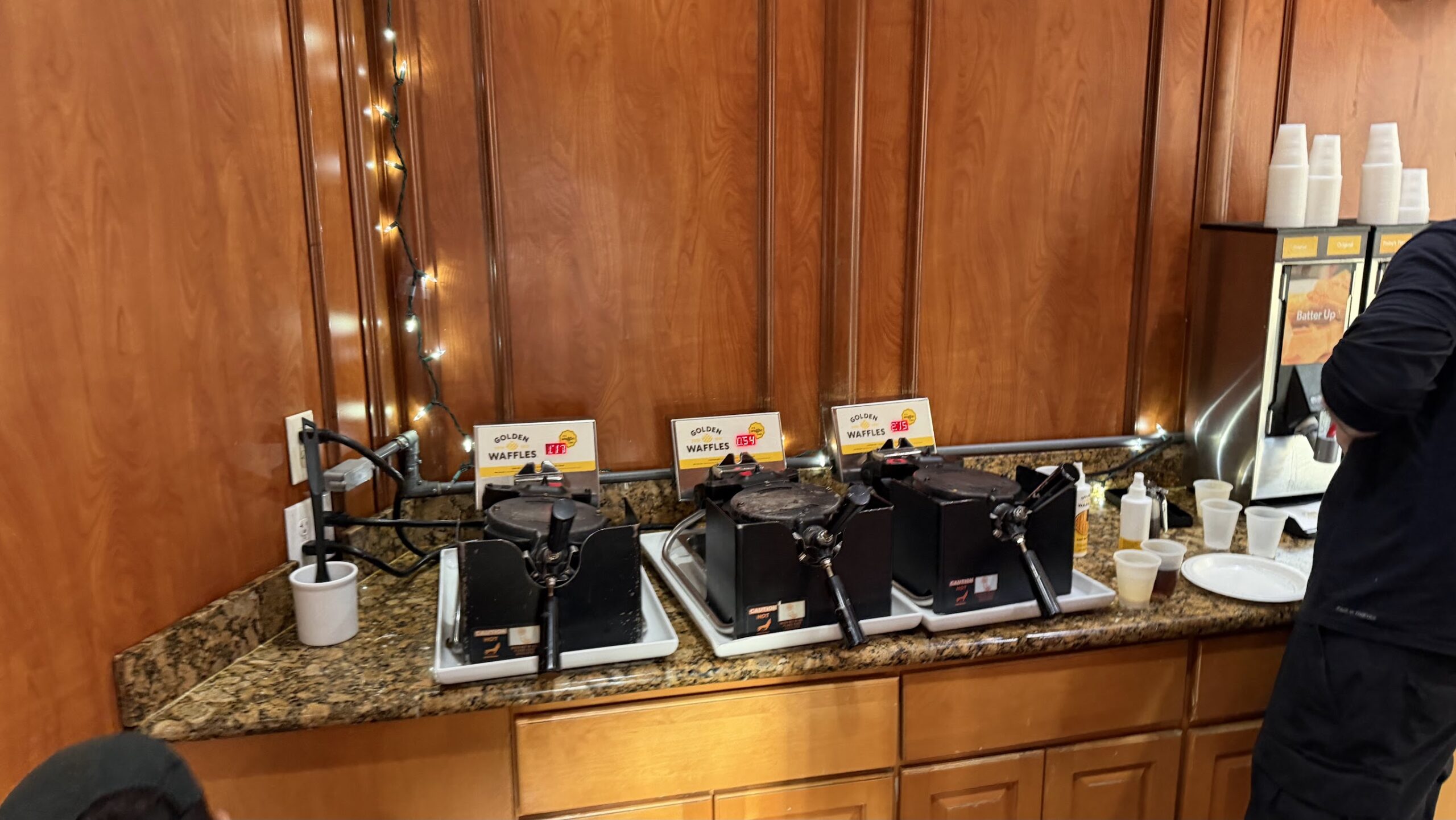
The hotel included breakfast, which was standard fare: waffles, sausages, scrambled eggs, and the usual spread. Nothing memorable, but enough to get us going before a full day of walking.
The Rustic
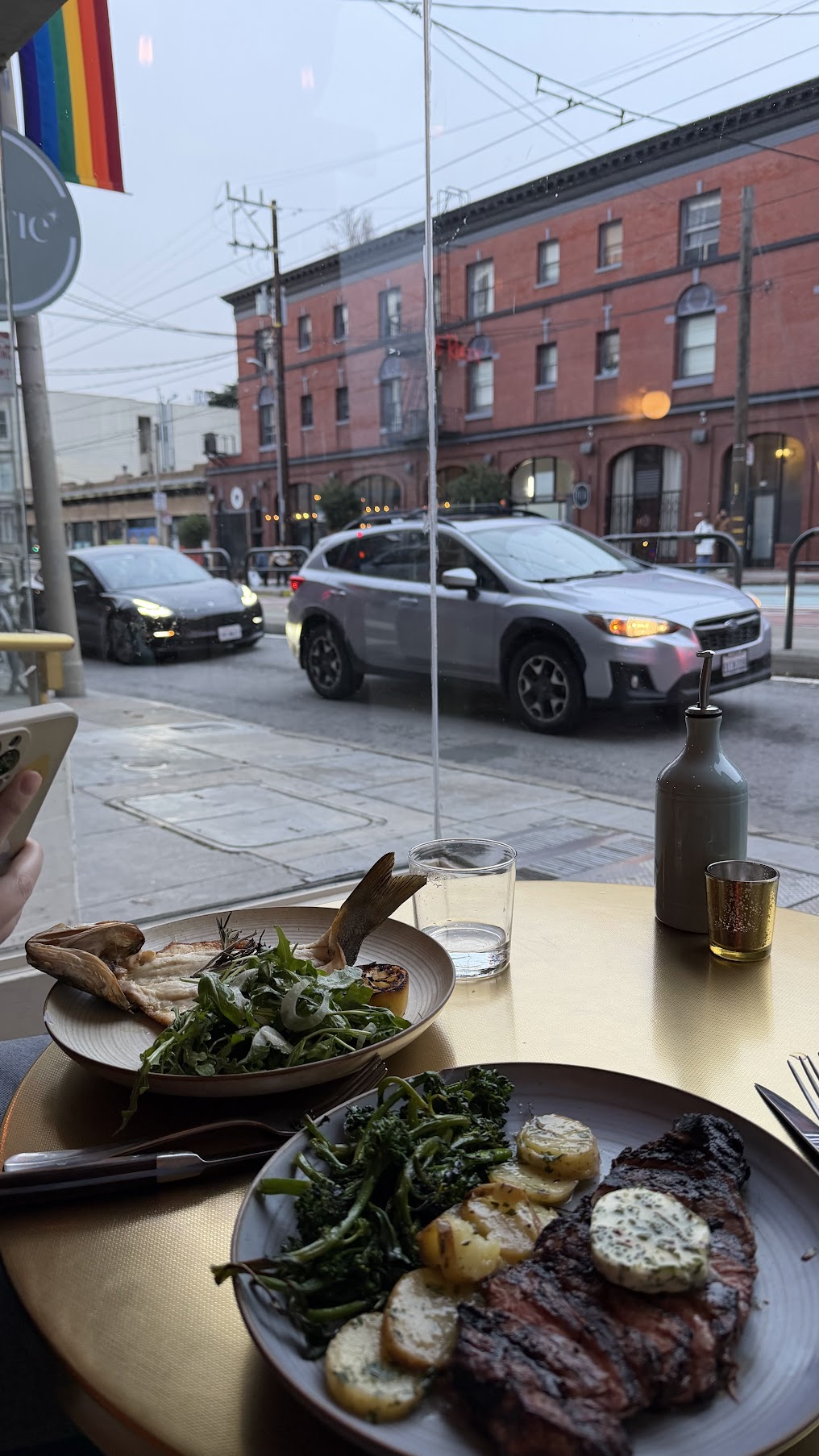
We had lunch at The Rustic, a Cal-Italian restaurant in the city. The steaks were pretty good. Tipping culture in the US is no fun though, and it adds up quickly when you are eating out. In our case, the main reason we ate here was to clear some remaining Resy credits before the trip ended.
El Super Burrito
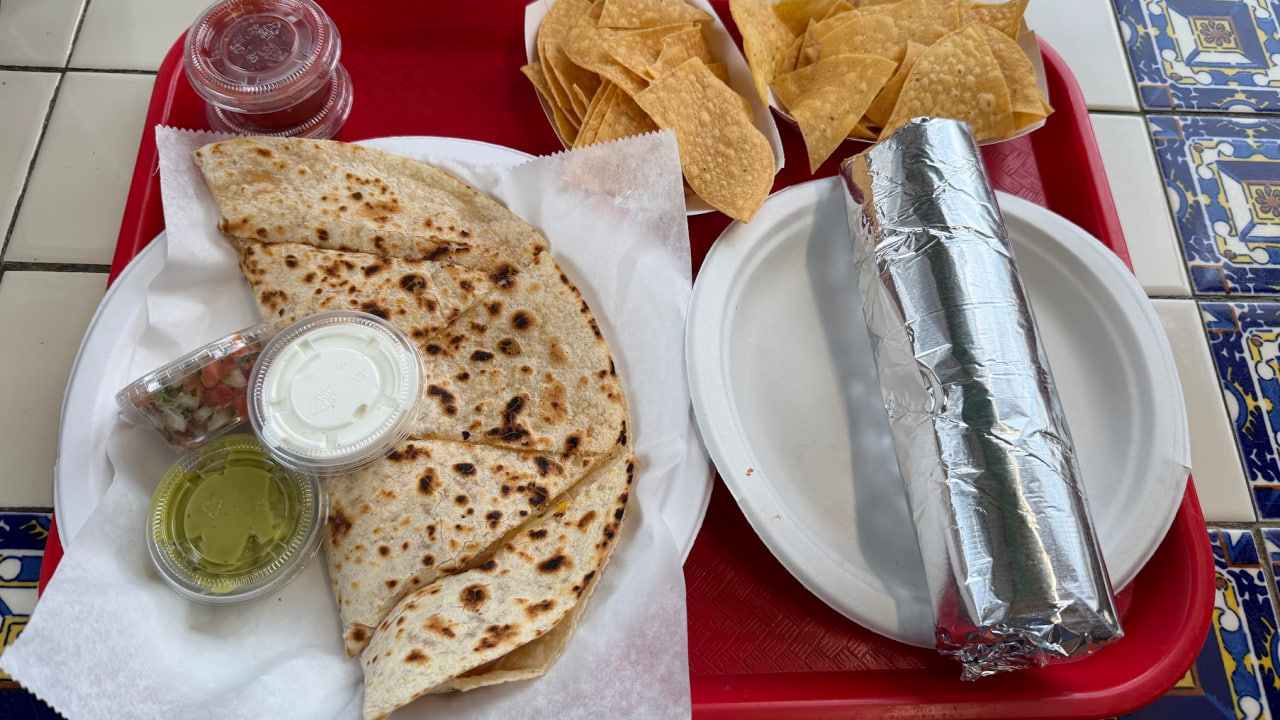
On our last day, we had lunch at El Super Burrito along El Camino Real, not far from the airport. We ordered a burrito and a quesadilla. Both were nicely done, unpretentious Mexican food at a fair price. A solid final meal before flying out.
Reflections
And with that, our two-week trip to the United States came to an end. We returned our rental car, headed to the airport, and flew home.
The United States remains one of the most rewarding countries to visit. The sheer scale and variety of it is hard to match anywhere else. In two weeks, we went from the skyscrapers of Manhattan to the desert canyons of Arizona, from the Pacific Coast Highway to the granite walls of Yosemite, and finished in San Francisco. Each leg felt like a different trip entirely.
The national parks in particular are something the US gets right. The landscapes are protected, well-maintained, and accessible in a way that makes you want to keep coming back. Yosemite alone would justify a return trip, and there are dozens of parks we have not even touched yet.
It was an amazing time. Five cities, two national parks, one stretch of highway we will almost certainly drive again. If you missed the earlier parts of the series: New York, Washington D.C., Las Vegas, Los Angeles & the Pacific Coast.
Thanks for reading.